Communication when climbing
Basic Techniques
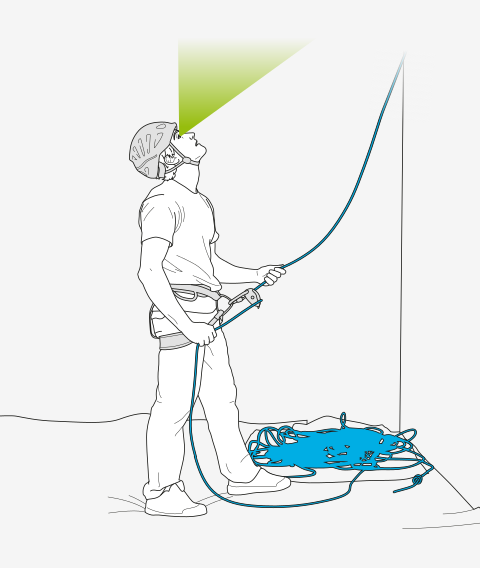
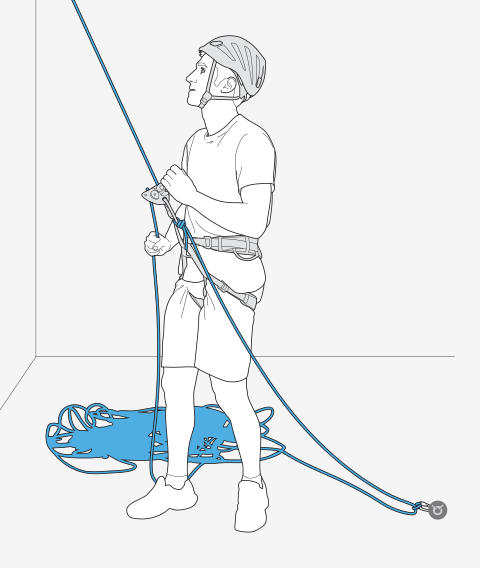
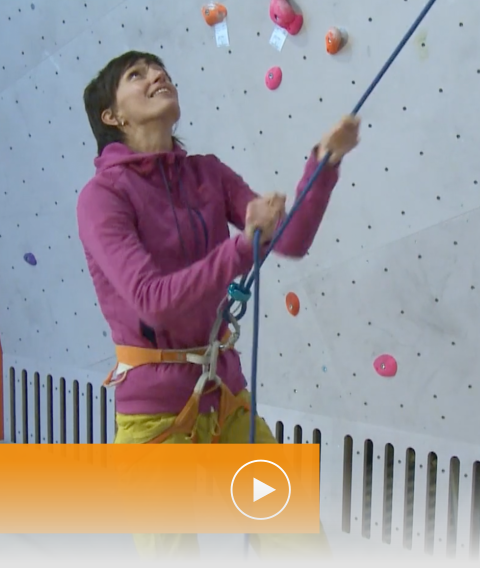
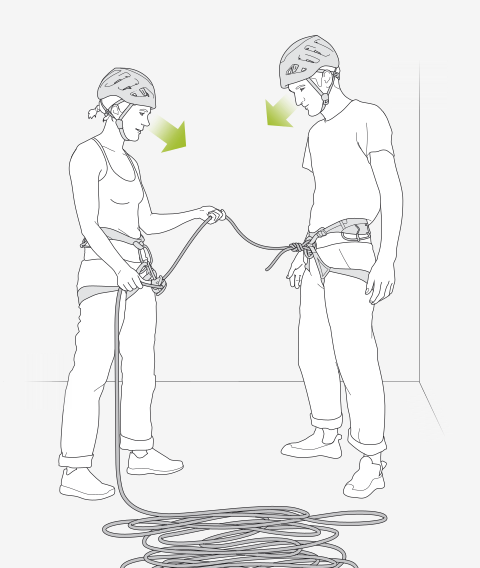
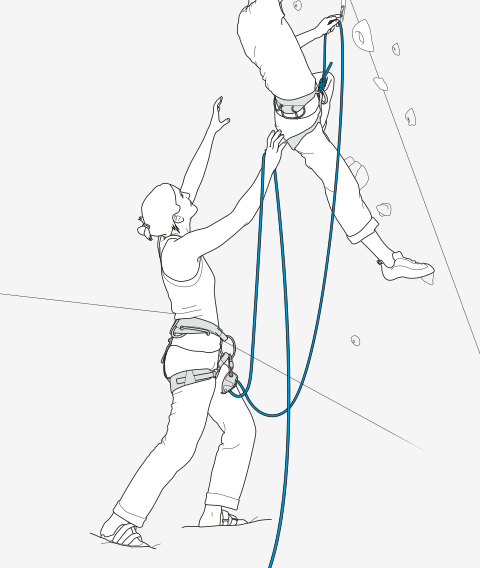
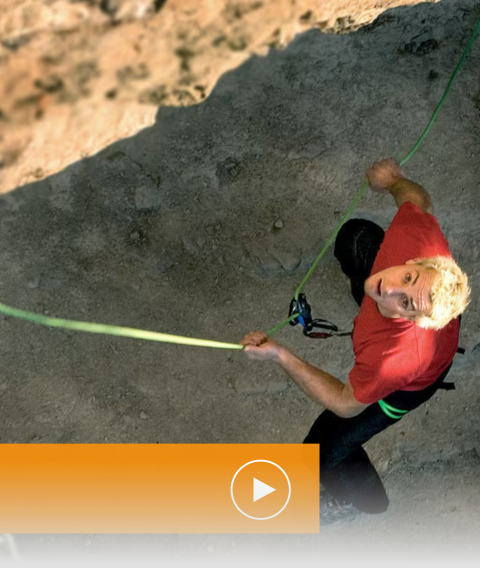
Communication should allow the two partners to avoid being surprised by the movements of the other, to avoid any error.
Warning
- Carefully read the Instructions for Use referenced in this Tech Tip before reading the Tech Tip itself. You must have read and understood the Instructions for Use to understand this supplementary information.
- Performing these techniques requires specific training. Work with a professional to confirm your ability to perform these techniques safely and independently before attempting them unsupervised.
- We provide examples of techniques related to your activity. Other techniques not described here may also exist.
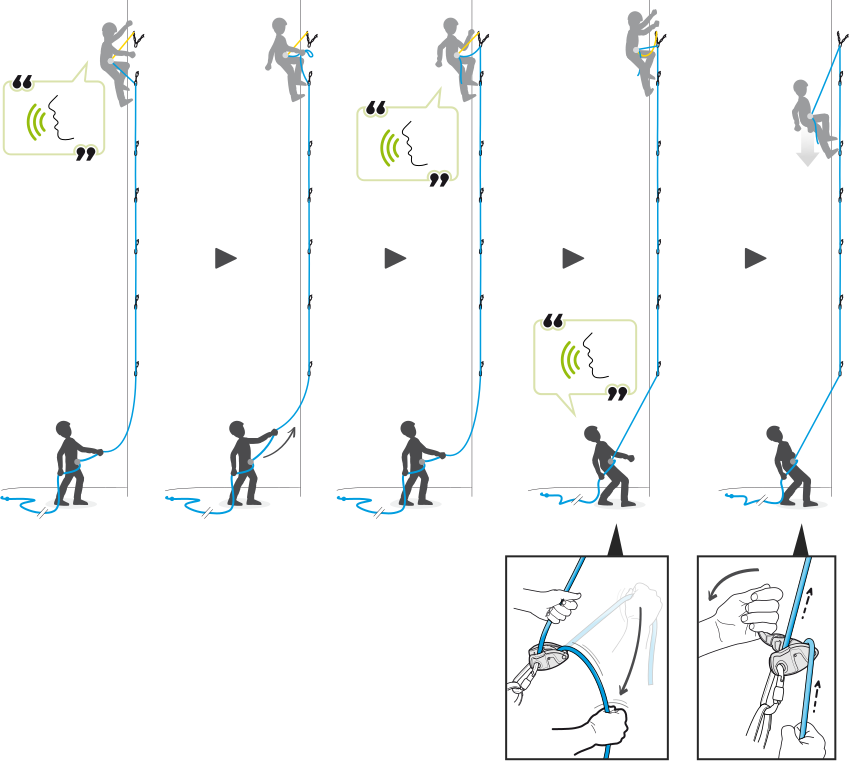
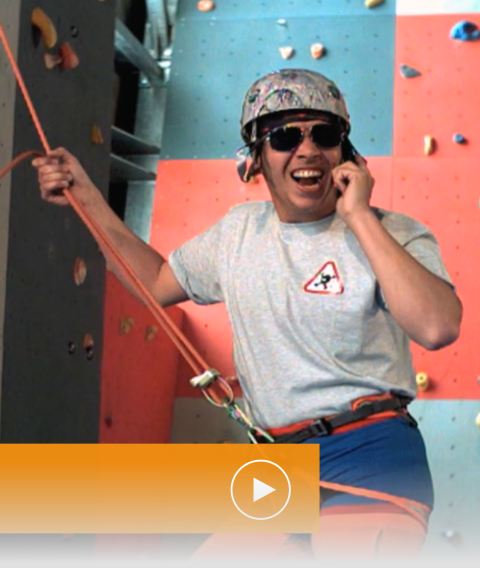
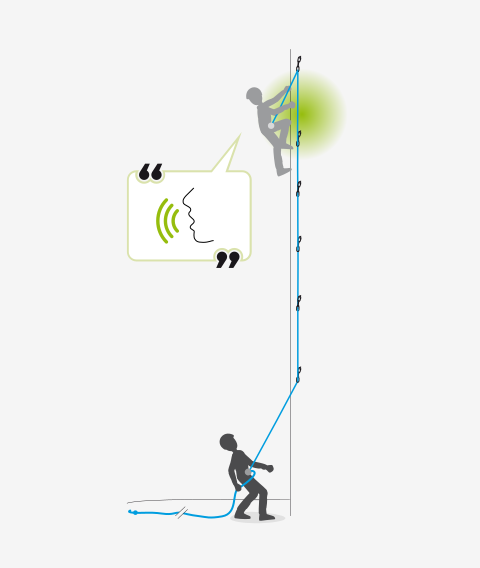
Instead of long discussions, it's better to use terms agreed upon in advance, such as "ok", "go", "take", "climb"... For this, the moments where communication is required must be identified in advance.
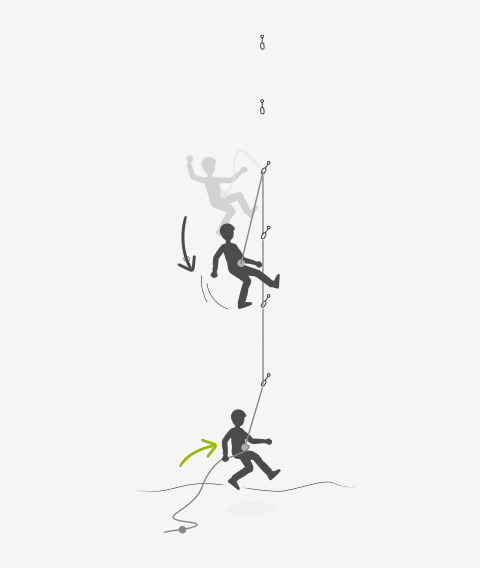
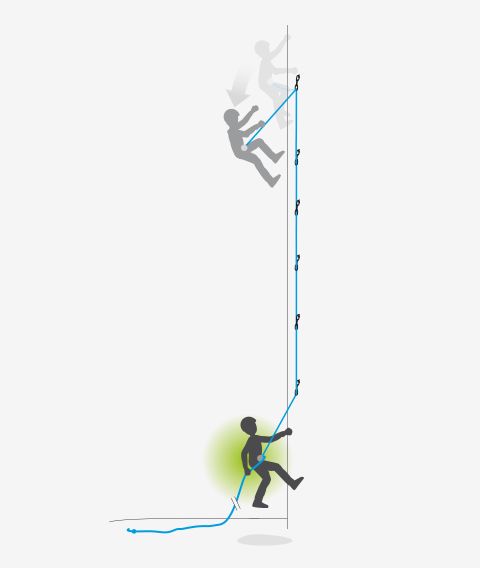
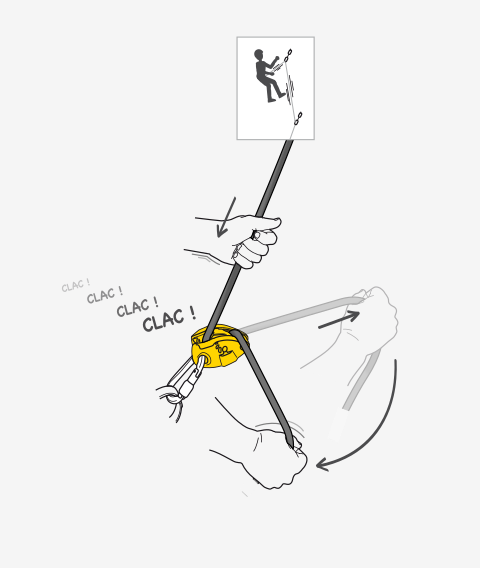
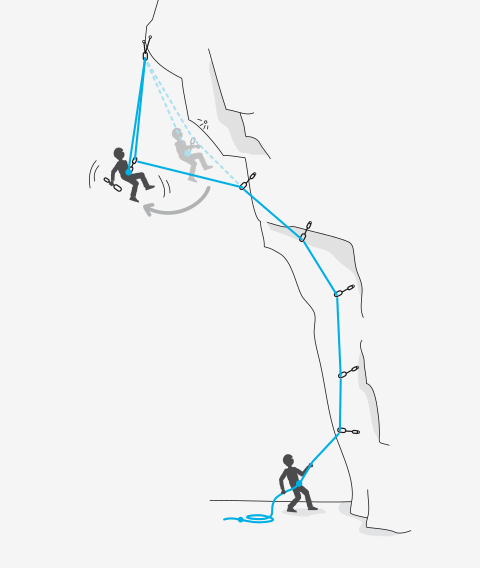
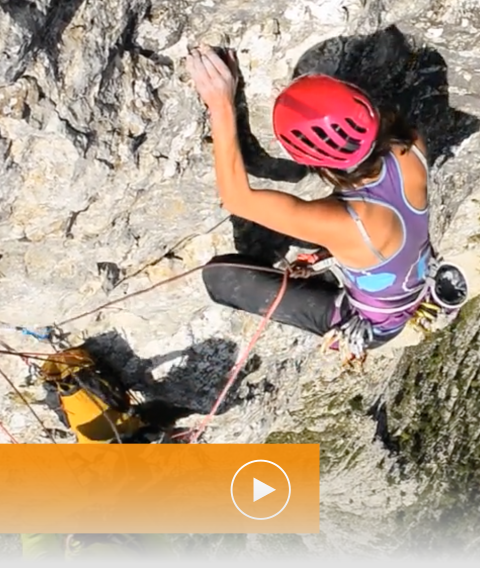
When the climber resumes climbing after a fall
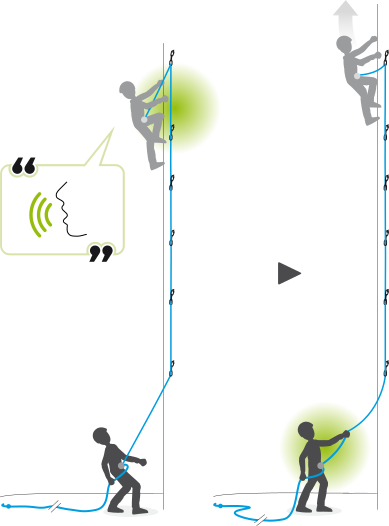

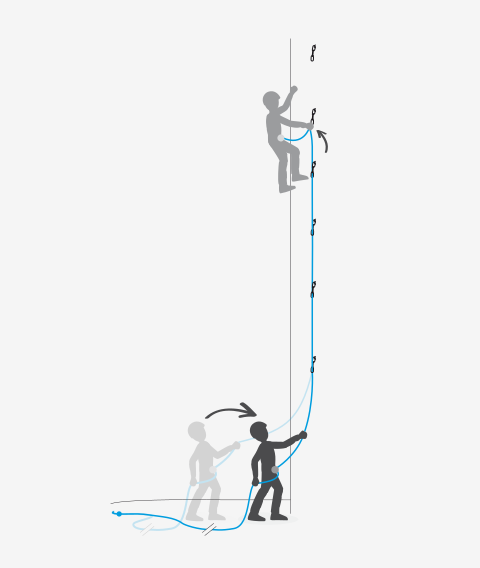
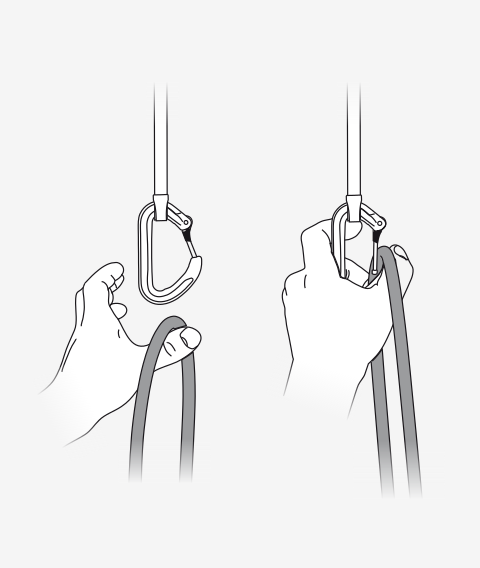
When the climber gets to the top of the route, with a gated anchor that allows the rope to be readily installed
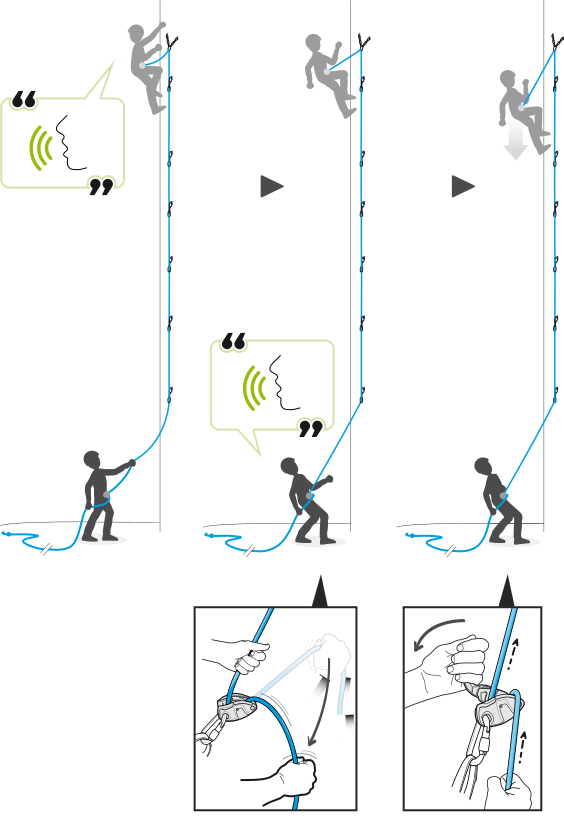

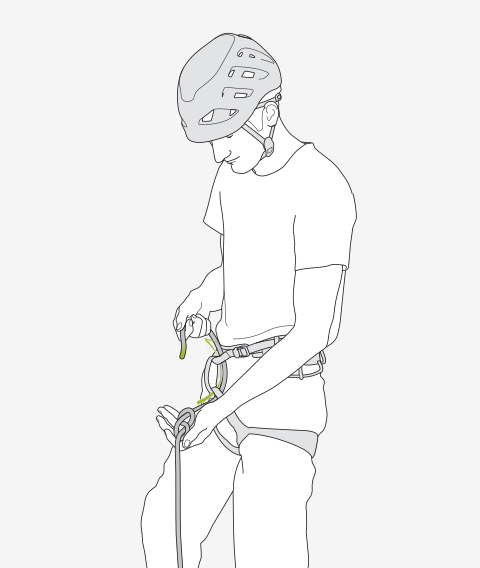
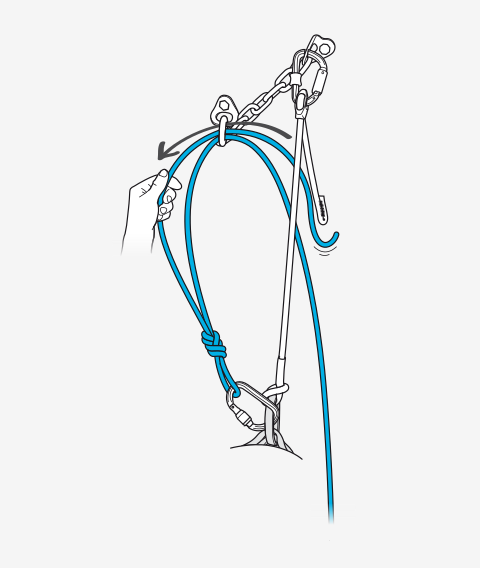
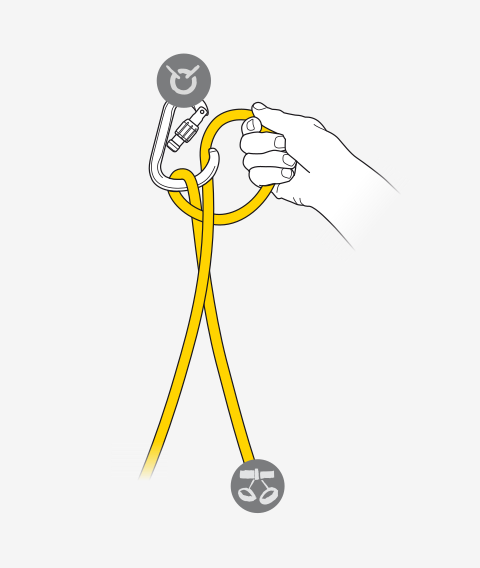
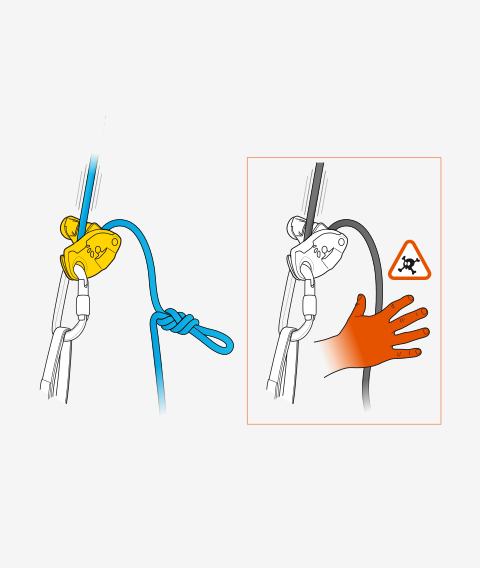
When the climber gets to the top of the route, with a closed anchor, and sets up a top-rope
When the climber puts his/her weight on the rope for lowering, the climber is still tethered to the anchor. This allows for checking that the belayer is actually ready to hold the climber's weight. Once everything is checked, the climber untethers for lowering.