Belaying a leader climber: vigilance, anticipation and mobility
Basic Techniques
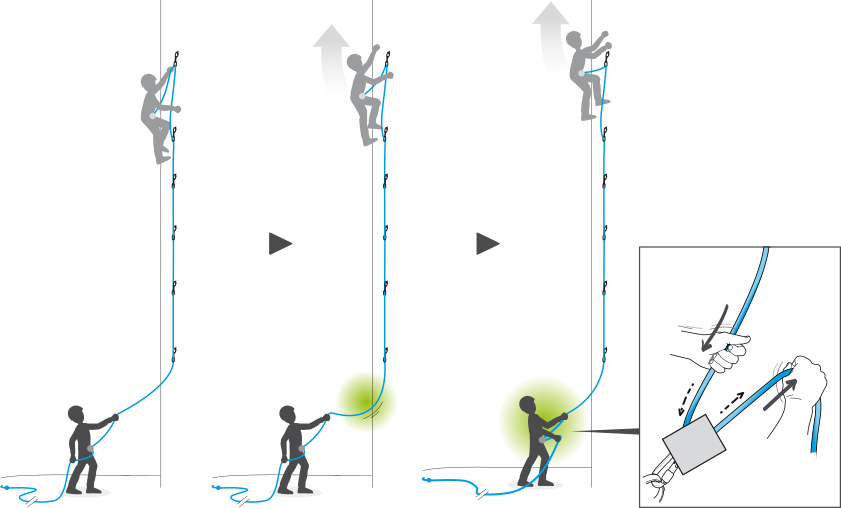
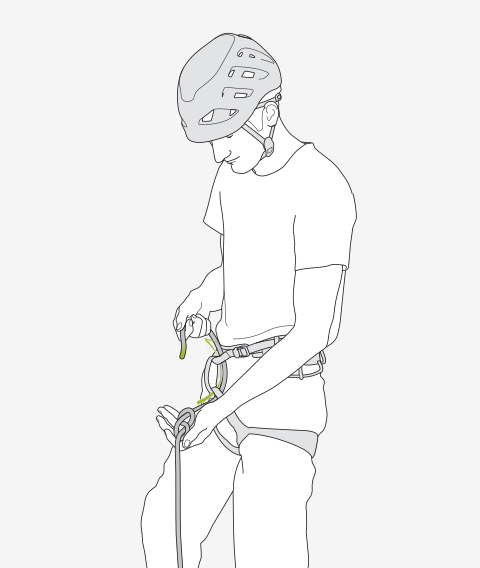
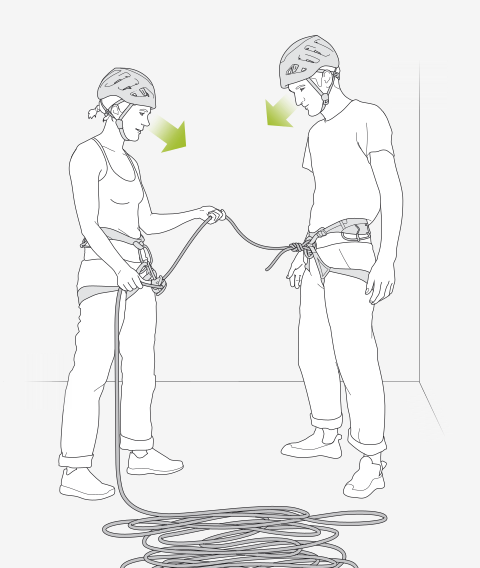
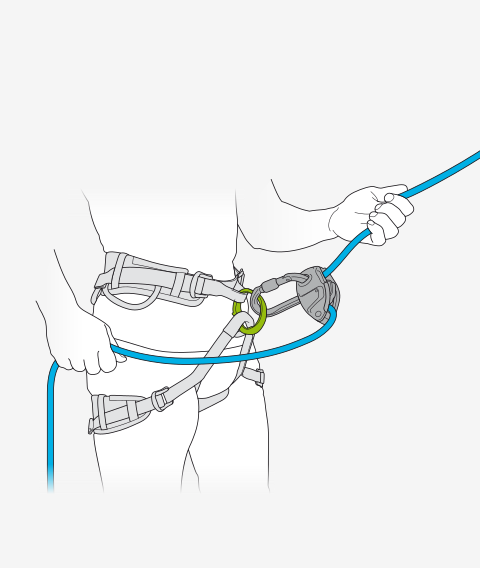
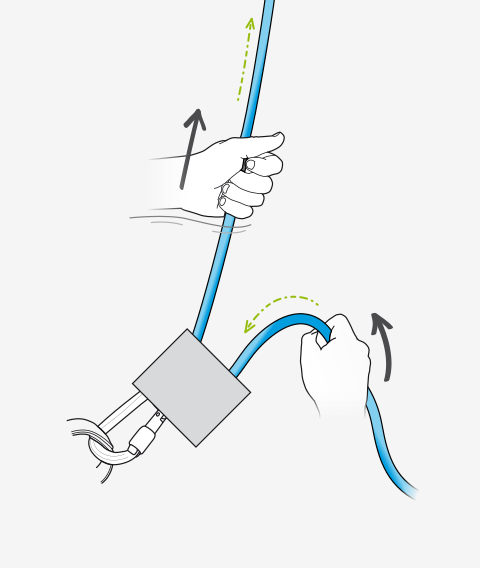
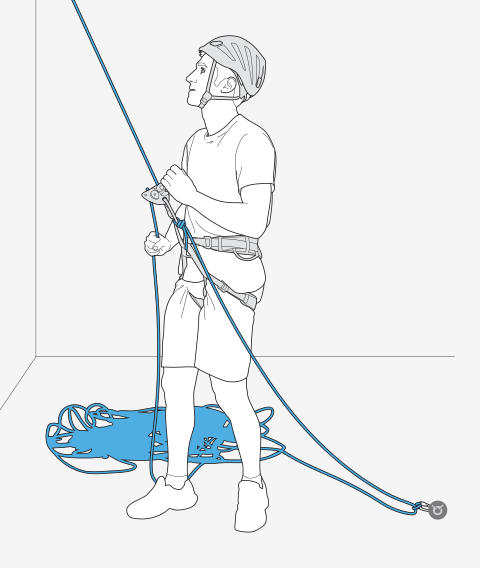
The belayer's role is not limited to giving slack quickly and at the right time.
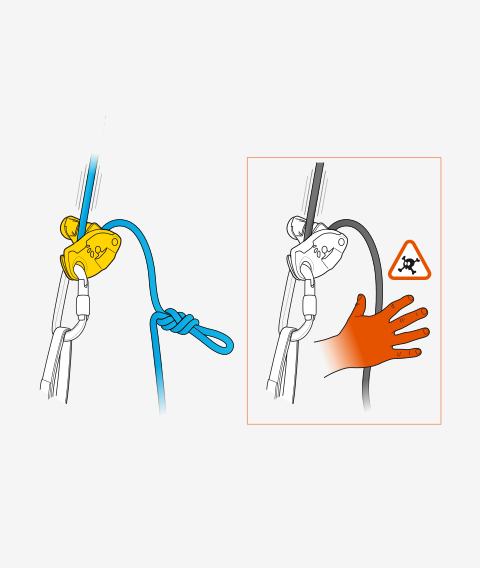
Warning
- Carefully read the Instructions for Use referenced in this Tech Tip before reading the Tech Tip itself. You must have read and understood the Instructions for Use to understand this supplementary information.
- Performing these techniques requires specific training. Work with a professional to confirm your ability to perform these techniques safely and independently before attempting them unsupervised.
- We provide examples of techniques related to your activity. Other techniques not described here may also exist.
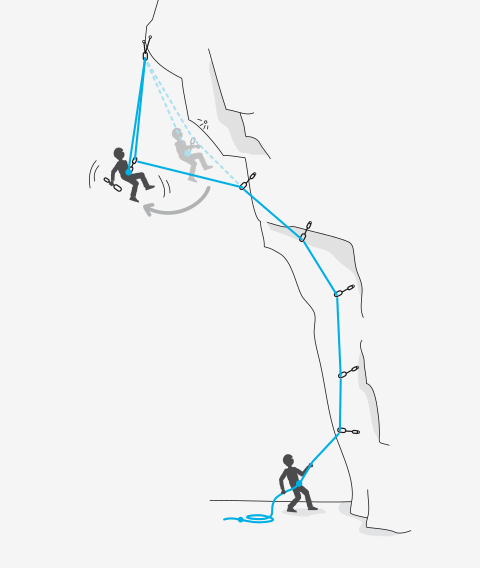
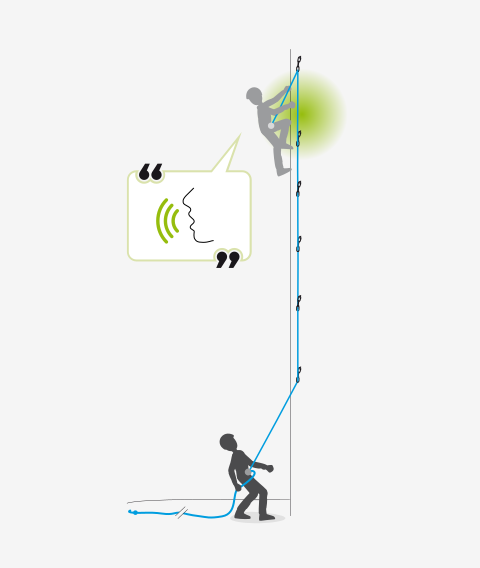
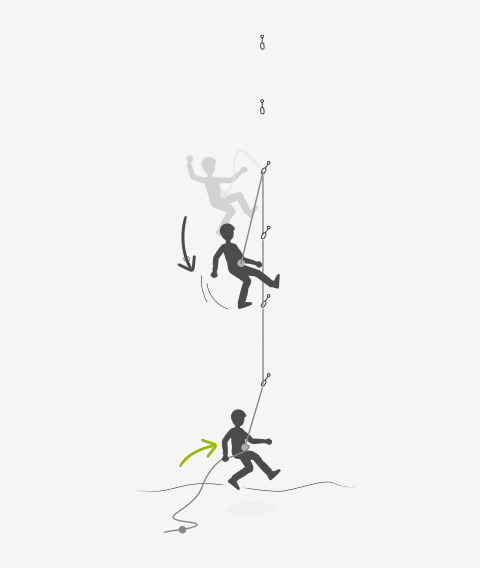
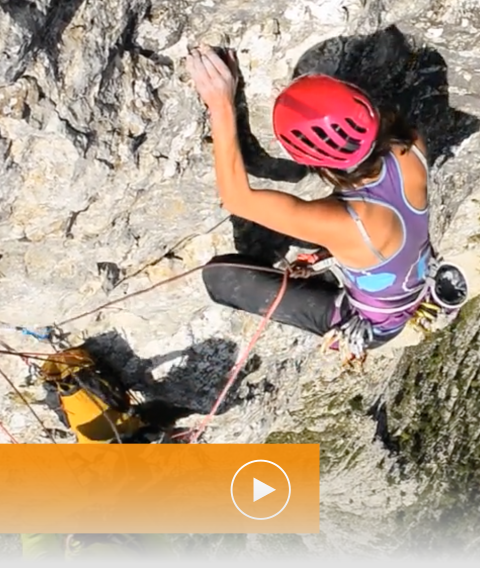
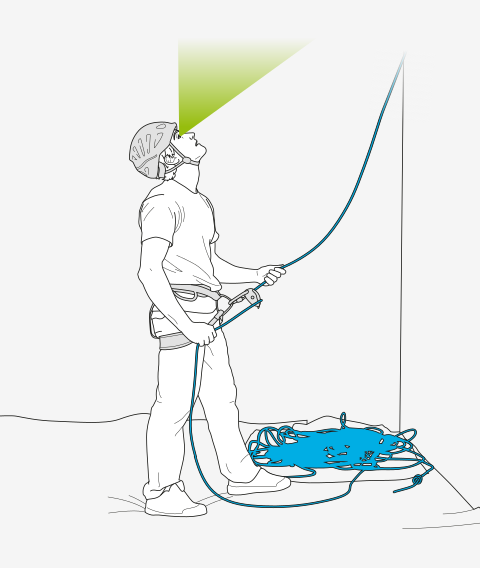
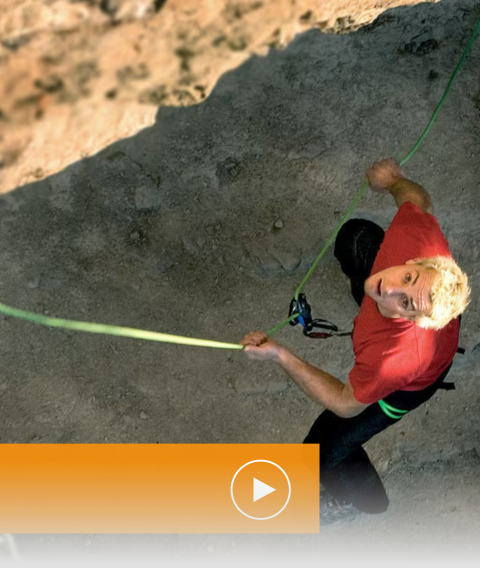
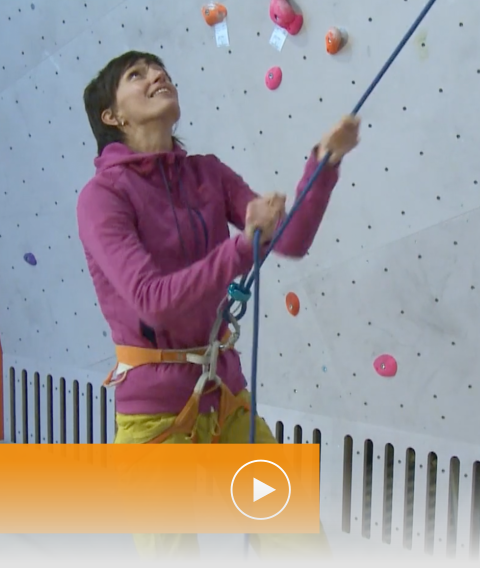
By staying focused on the climber, the belayer can recognize the stressful moments that require the greatest precision and responsiveness (clipping, risky or difficult move, fatigue or agitation preceding a fall...).
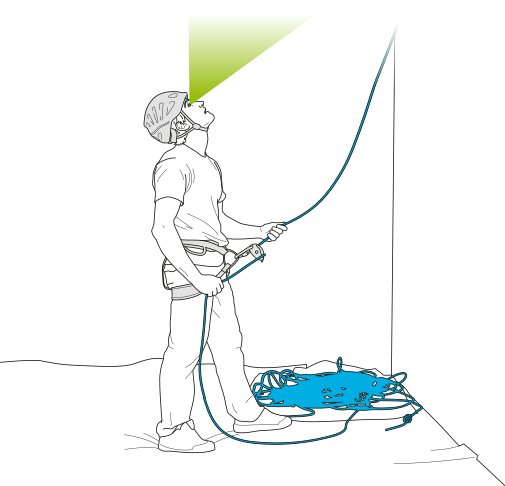
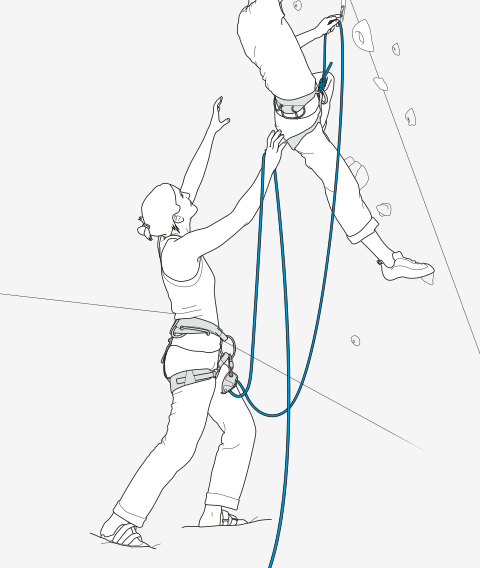
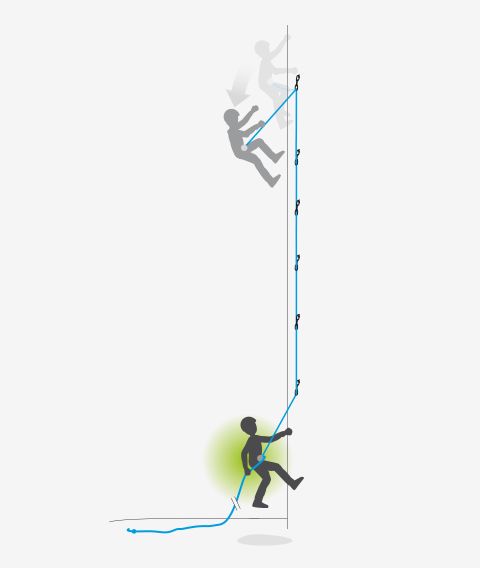
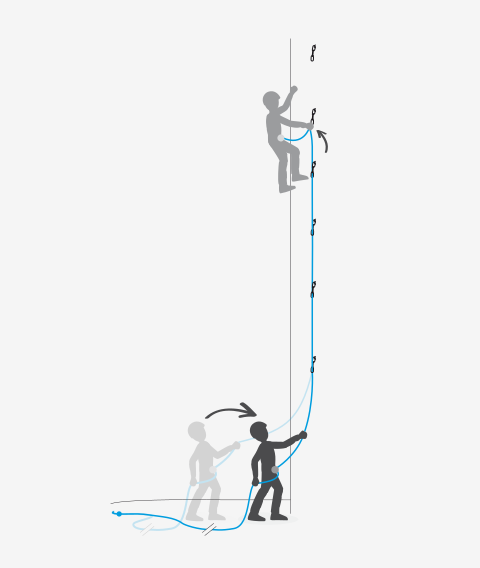
Being mobile is a great way to follow the rapid movements of the climber.
Approach the wall when the climber is clipping, then return to your original position.
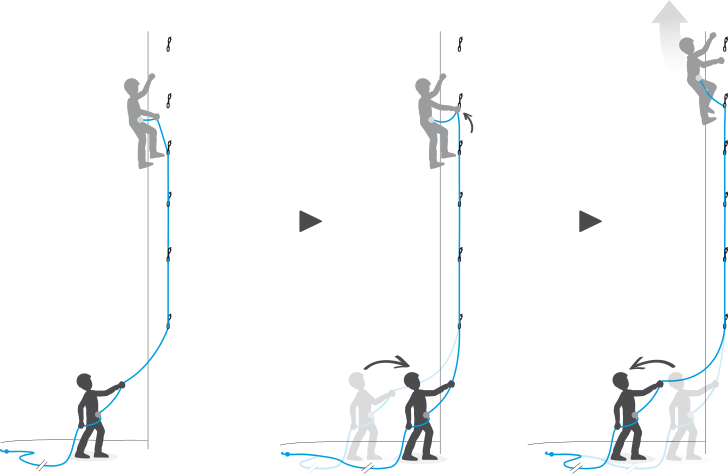

The distance between the belayer and the wall varies depending on the situation, but few situations require standing more than 2 meters from the wall.