Aid climbing progression
Basic Techniques
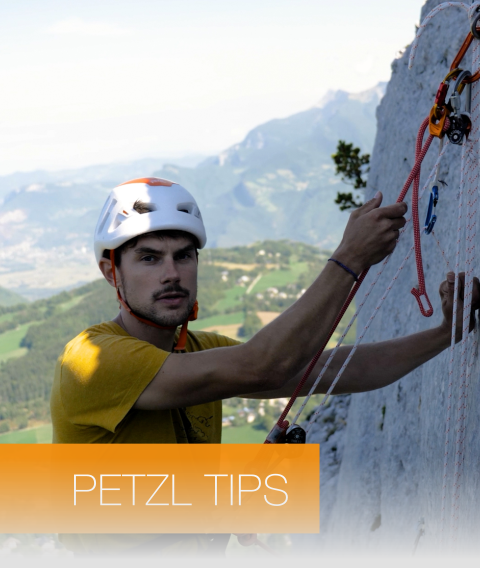
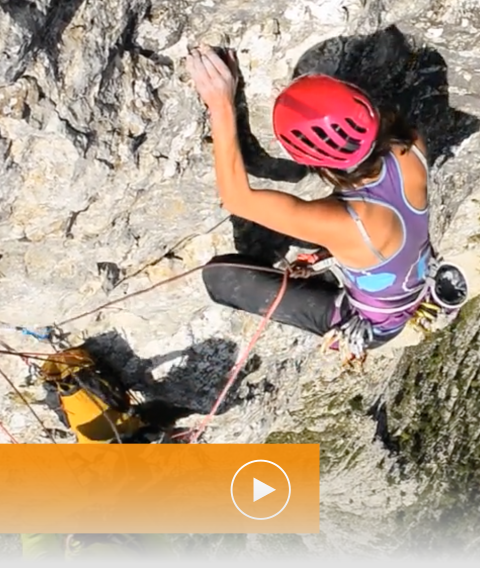
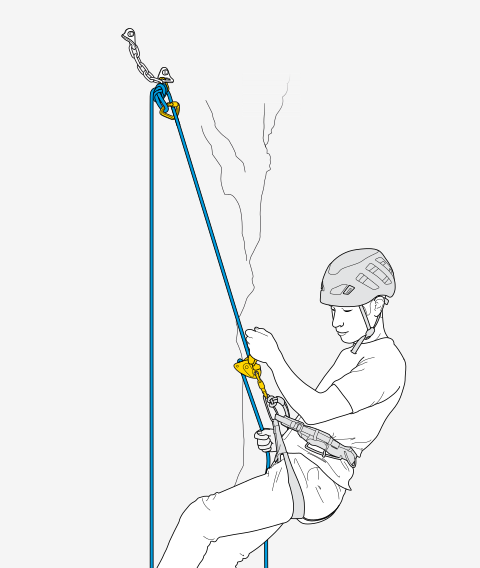
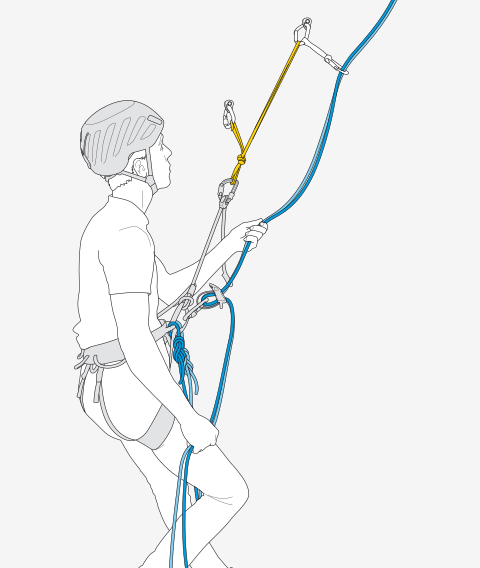
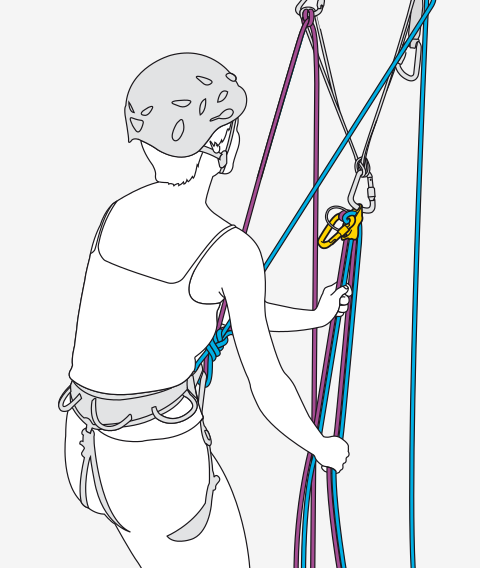
In aid climbing, the climber places anchors which allow them to progress along the pitch. We review here the key steps for progression when aid climbing through a roof.
Warning
- Carefully read the Instructions for Use referenced in this Tech Tip before reading the Tech Tip itself. You must have read and understood the Instructions for Use to understand this supplementary information.
- Performing these techniques requires specific training. Work with a professional to confirm your ability to perform these techniques safely and independently before attempting them unsupervised.
- We provide examples of techniques related to your activity. Other techniques not described here may also exist.
1. Anchor placement
First find a placement for the anchor in the rock and choose the type of equipment best suited to the placement (cam, piton, hook, bolt...) Remember that some anchors are for progression only (will not hold a fall) and others are also protection anchors (can hold a potential fall).
Concerning piton placement, see our Piton guide.
2. Anchor testing
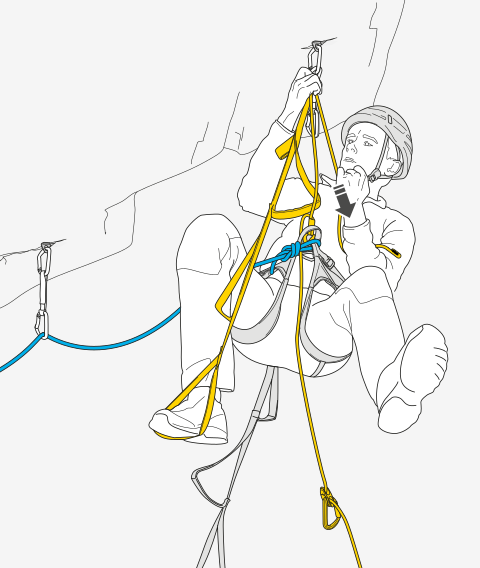
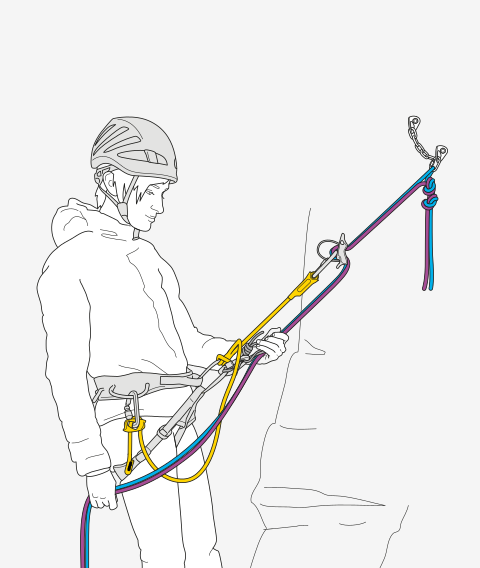
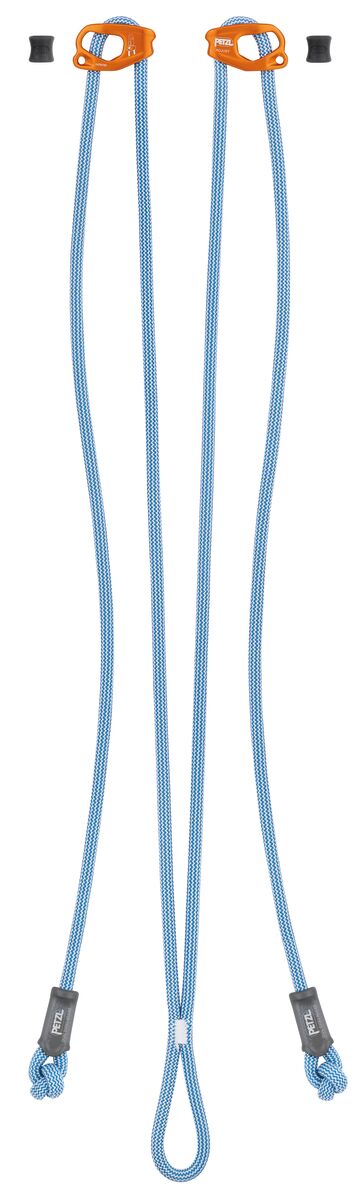
Once the anchor B is placed, clip the anchor, with a quickdraw for example, to which you have connected the free end of your lanyard. So if anchor B fails, it will be retained by the lanyard. Instead of a quickdraw, you can also hitch a cord or thin sling to the anchor, with a non-locking carabiner attached.
Clip your etrier to the anchor (do not clip to the lanyard carabiner to avoid interfering with the lanyard adjuster).
Test the strength of the anchor, looking away from it while testing.
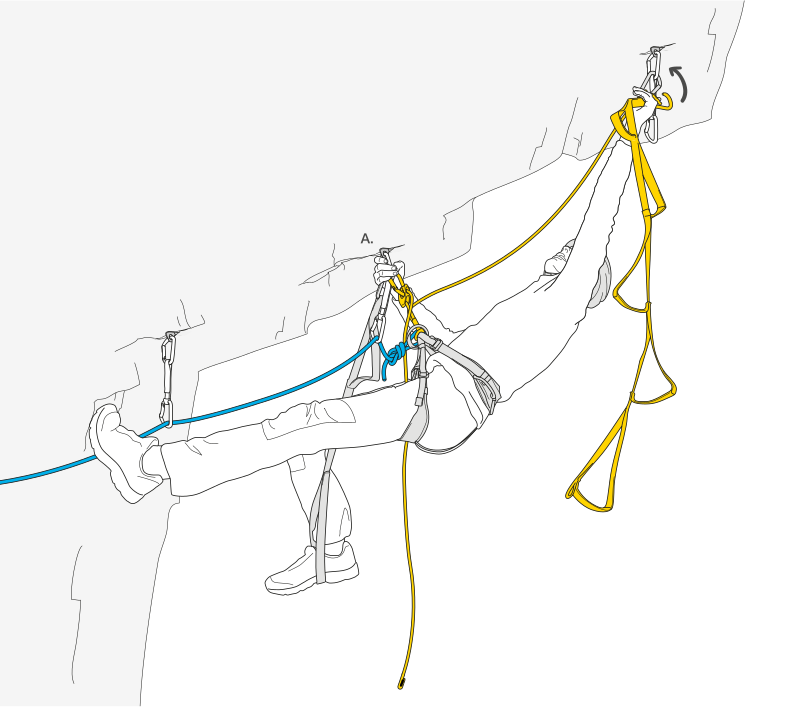
3. Load transfer
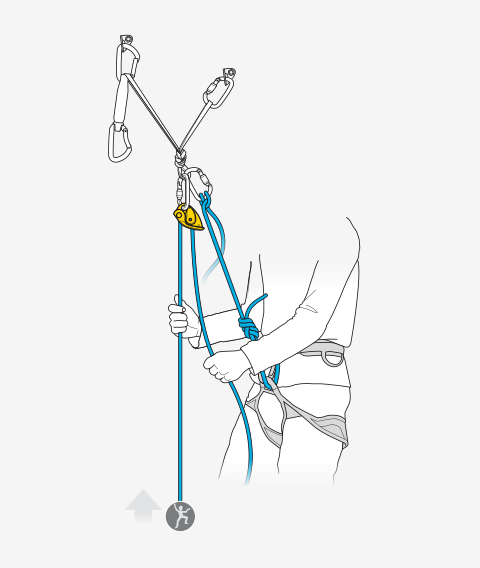
Pull the slack end of the lanyard connected to anchor B.
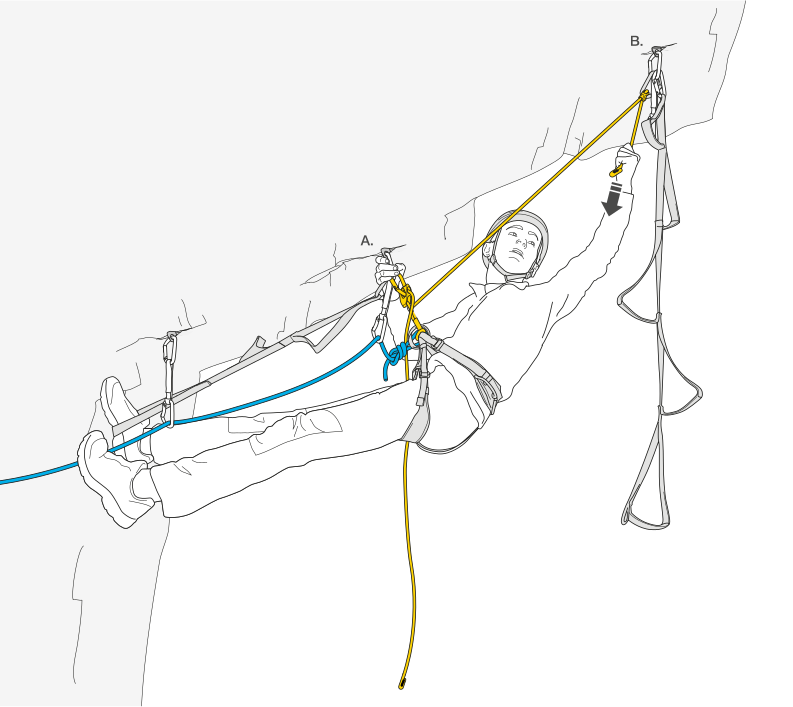
Slacken the lanyard arm connected to point A. To slacken the lanyard arm, unweight it using the etrier.
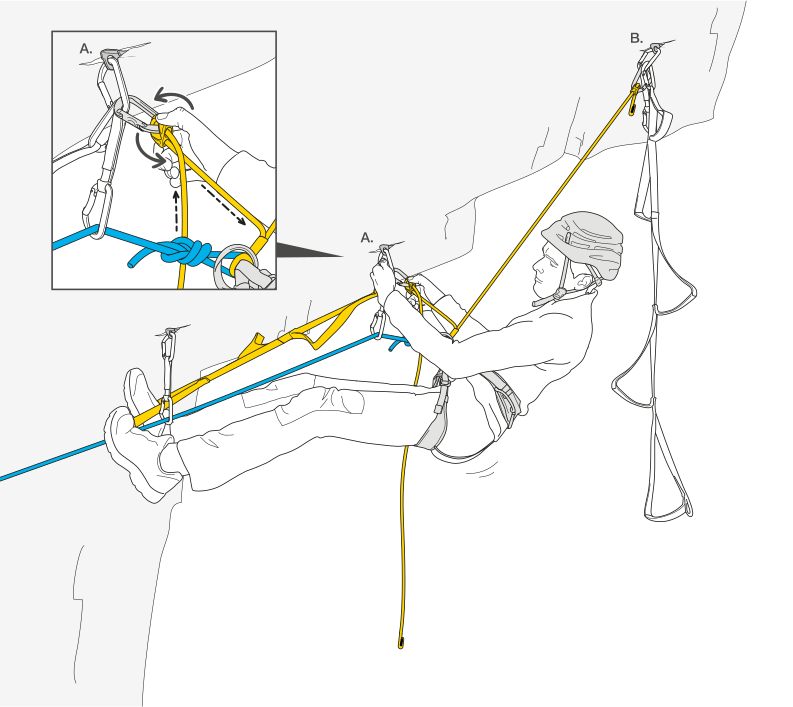
4. Climbing on the anchor
Unclip the lanyard arm from point A, and continue to shorten the arm connected to point B by climbing the etrier.
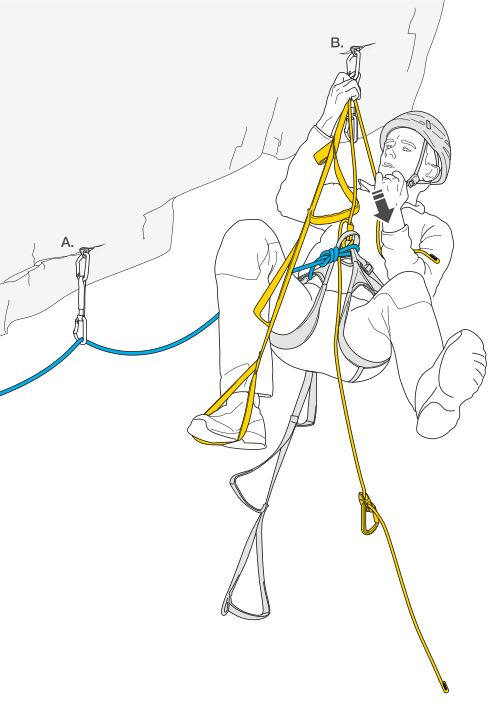
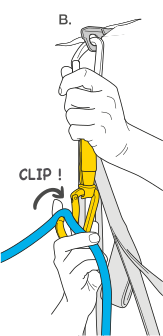
Clip your rope into point B.
Clipping the anchor should not be done too early, in order to limit the fall distance should the anchor fail.
You are ready to place the next anchor and repeat all of these steps.