Primary dangers when using a rope
Basic Techniques
Warning
- Carefully read the Instructions for Use referenced in this Tech Tip before reading the Tech Tip itself. You must have read and understood the Instructions for Use to understand this supplementary information.
- Performing these techniques requires specific training. Work with a professional to confirm your ability to perform these techniques safely and independently before attempting them unsupervised.
- We provide examples of techniques related to your activity. Other techniques not described here may also exist.
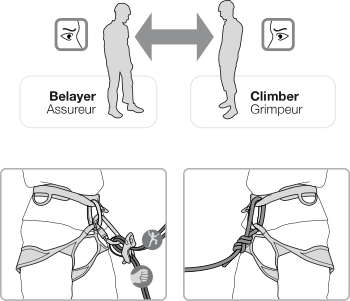
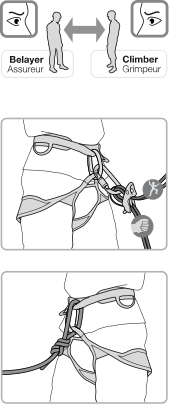
Incorrect tie-in, knot incompletely tied or tied in to the wrong place on the harness.
Solution: partner check or mutual verification.
Rope too short.
Solution: always tie a knot at the end of the rope.
And check the length of the route on the topo.
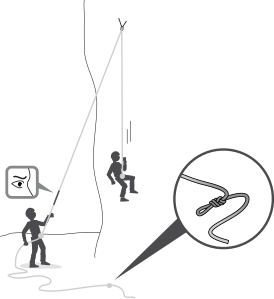
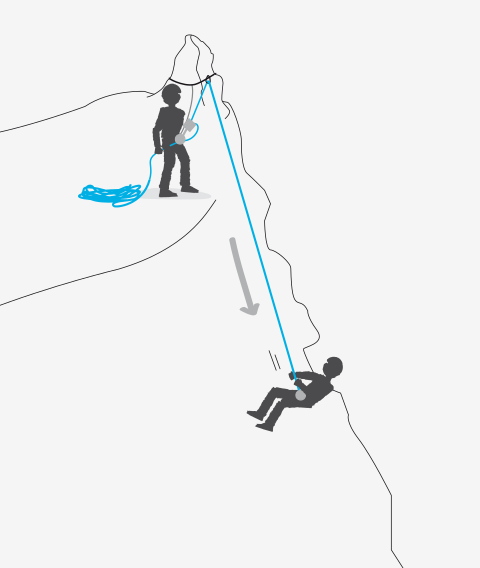
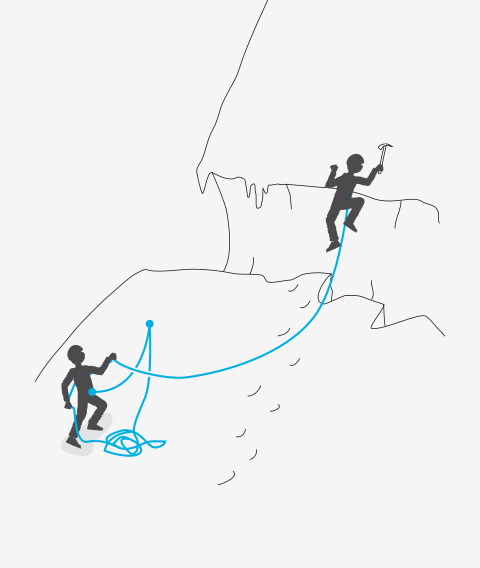
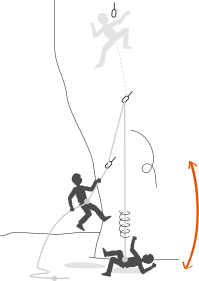
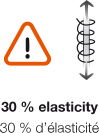
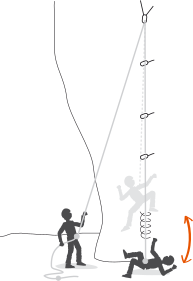
Ground fall due to rope stretch and a bad belay.
Solution: spot, then remain extremely mindful of ground fall potential while the climber is low on the route. Always keep a critical eye on your surroundings (ledges) when considering rope stretch (on lead or on top rope).
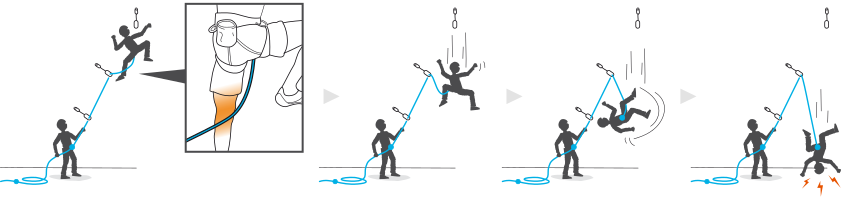
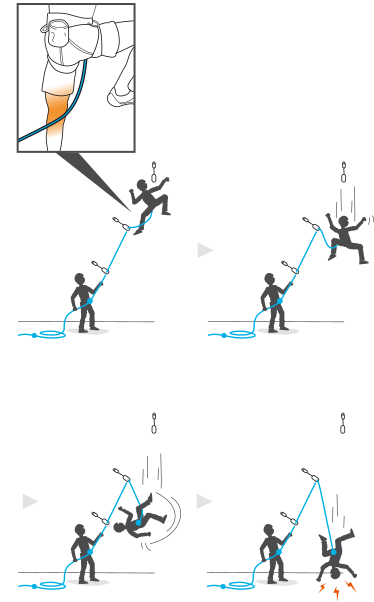
Rope behind a leg
This is when the climber falls with the rope behind a leg.

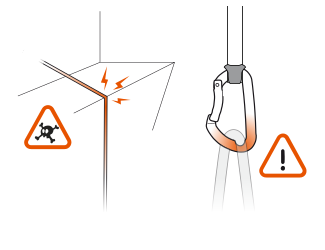
Each year there are multiple incidents in which the rope is cut. For example on sharp rock edges, from rockfall or on fixed carabiners with sharp edges from excessive wear...
Take the time to verify that your rope is compatible with your belay device.
Compatibility obviously depends on the diameter, but also on the treatment, texture, density, flexibility... Two ropes of the same diameter can perform very differently in a belay device. Perform some tests a few meters off the ground, especially with new, slick ropes, or with skinny ropes.
Being tied in does not guarantee your fall will be arrested!
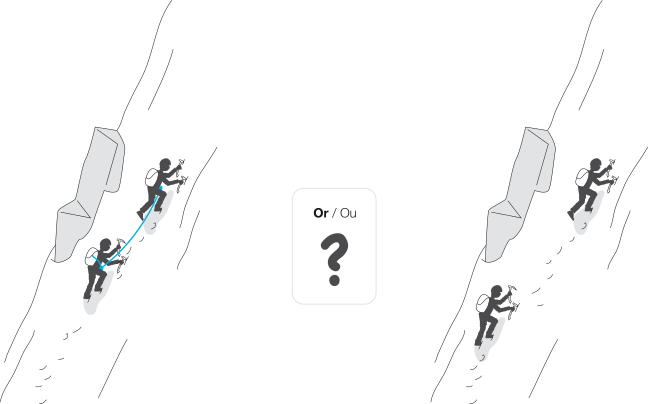
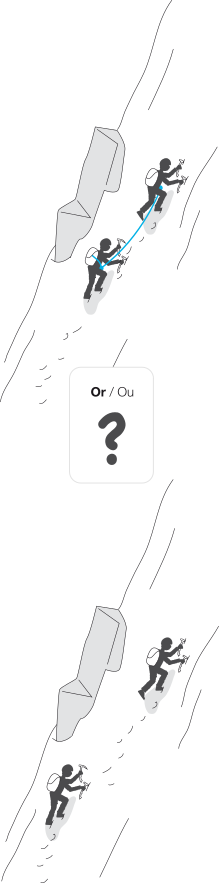
Certain situations demand weighing the pros and cons of whether to use a rope or not. Steep snow slopes are a perfect example...