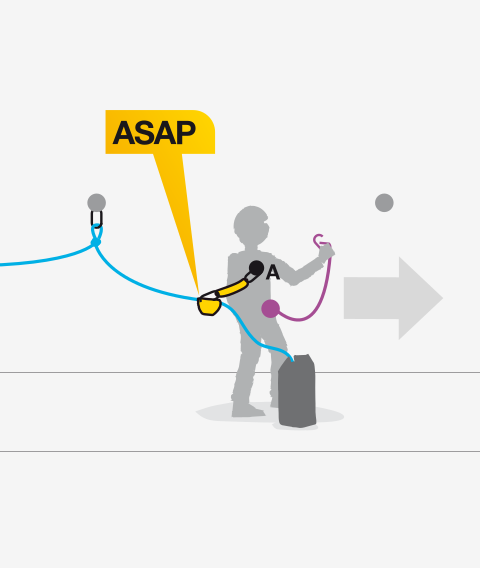
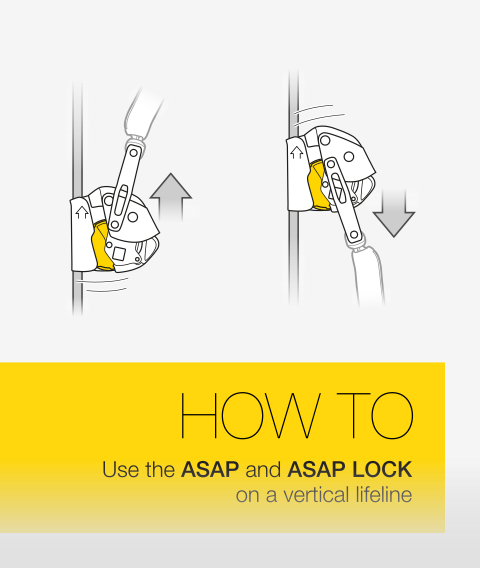
Choice of harness attachment point for the ASAP
Basic Techniques
Warning
- Carefully read the Instructions for Use referenced in this Tech Tip before reading the Tech Tip itself. You must have read and understood the Instructions for Use to understand this supplementary information.
- Performing these techniques requires specific training. Work with a professional to confirm your ability to perform these techniques safely and independently before attempting them unsupervised.
- We provide examples of techniques related to your activity. Other techniques not described here may also exist.
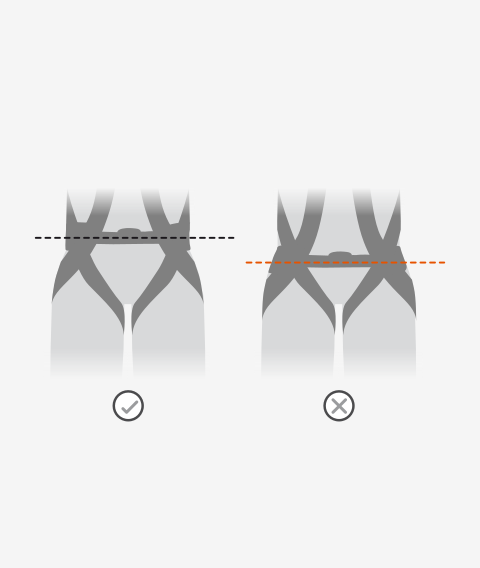
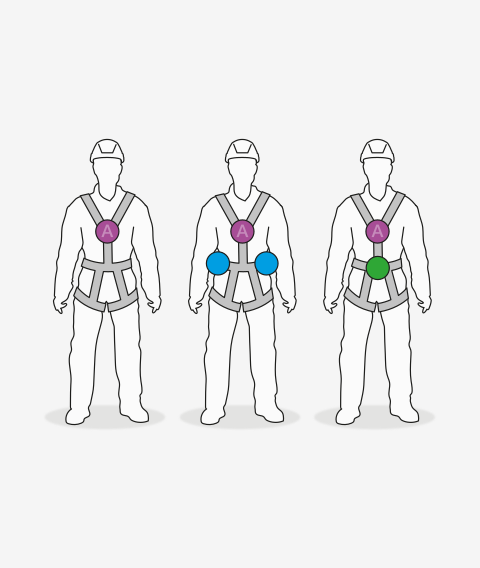
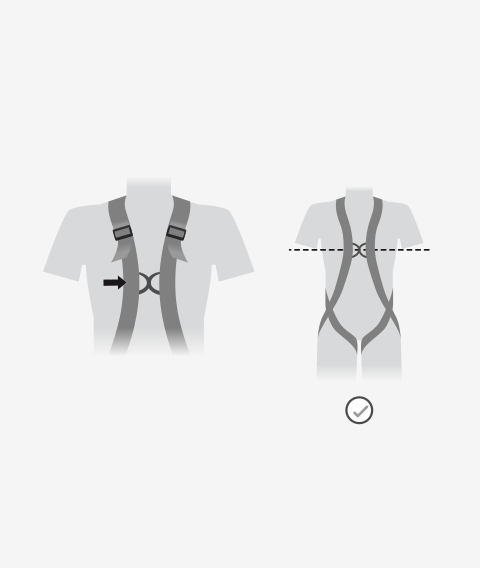
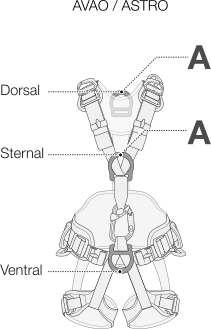
Examples of harnesses with an A (fall-arrest) point:
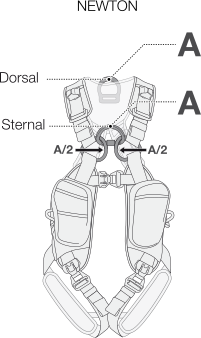
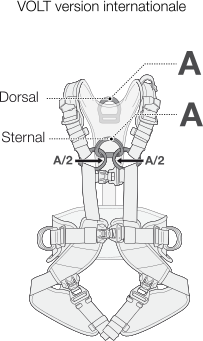
Particular case:
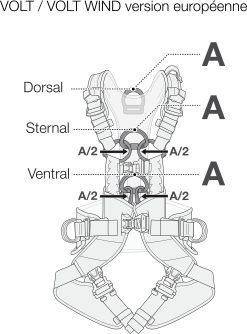
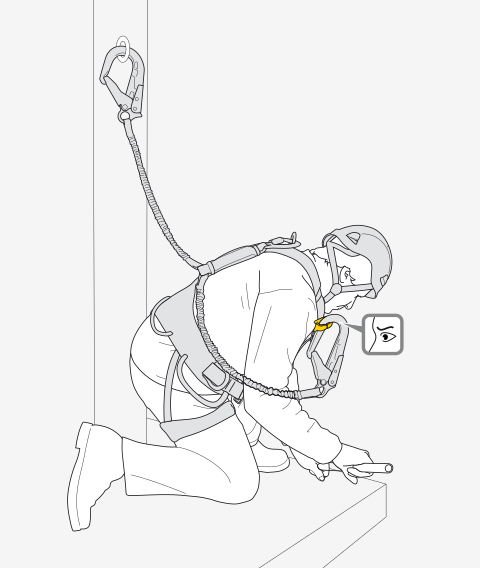
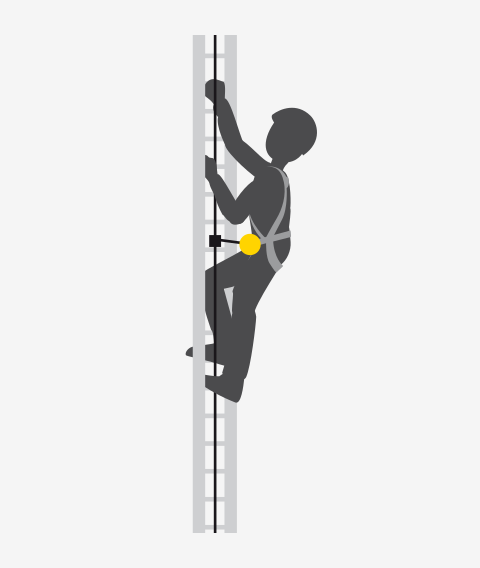
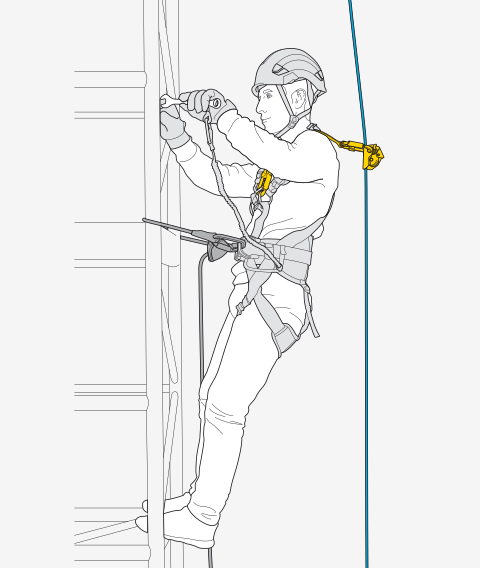
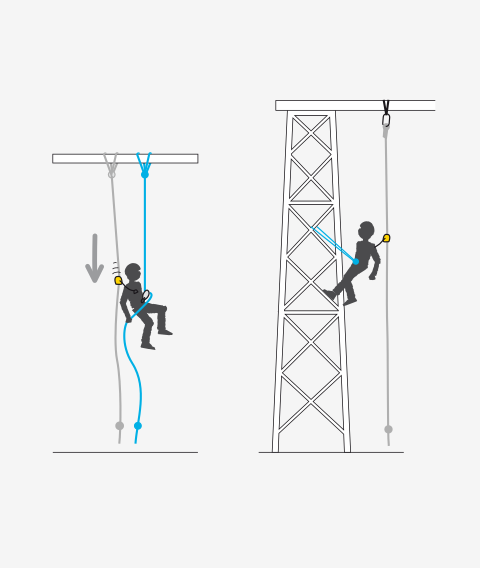
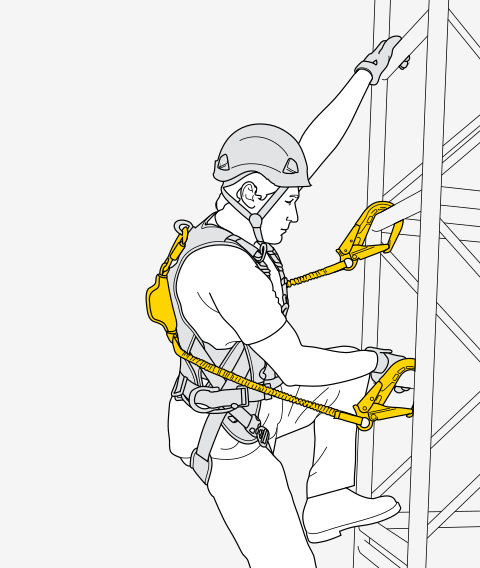
The choice of harness attachment point has an effect on:
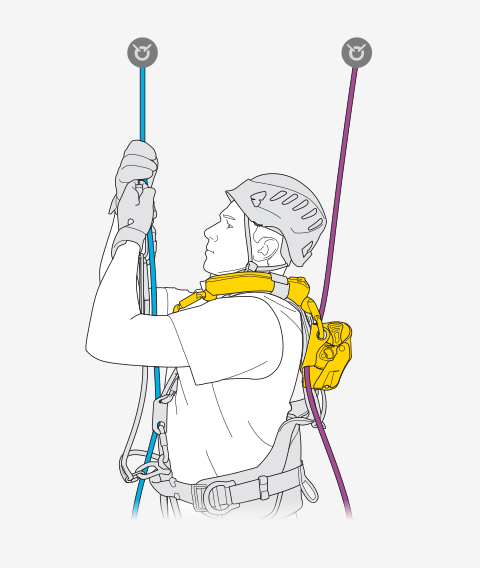
- Working comfort (ASAP and absorber in front or behind the worker)
- Worker autonomy (can the worker install the ASAP themselves, or not)
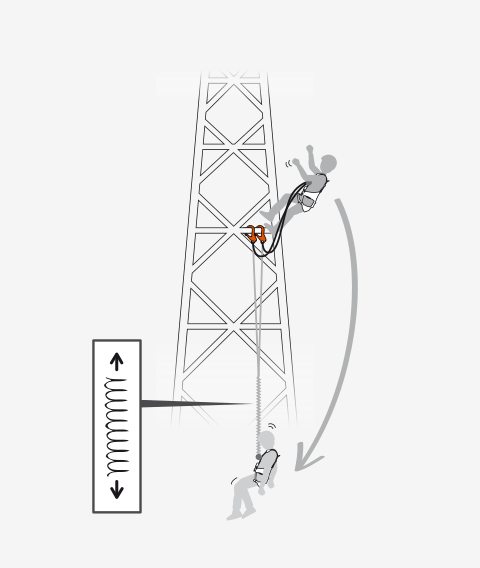
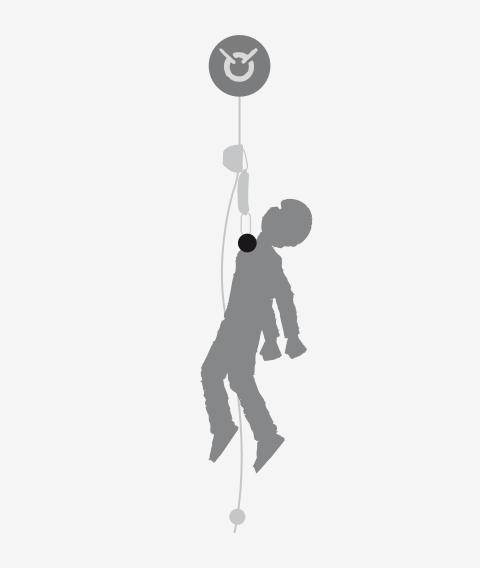
- The post-fall suspension position, especially if unconsciousness occurs

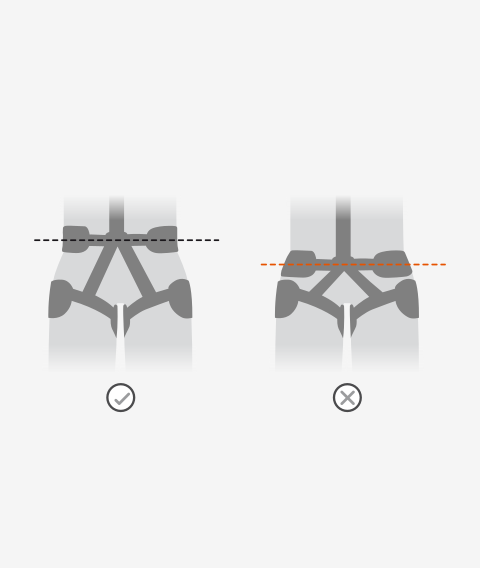
Ventral (sit harness without fall-arrest point)
- The ventral attachment point is not an A (fall-arrest) point
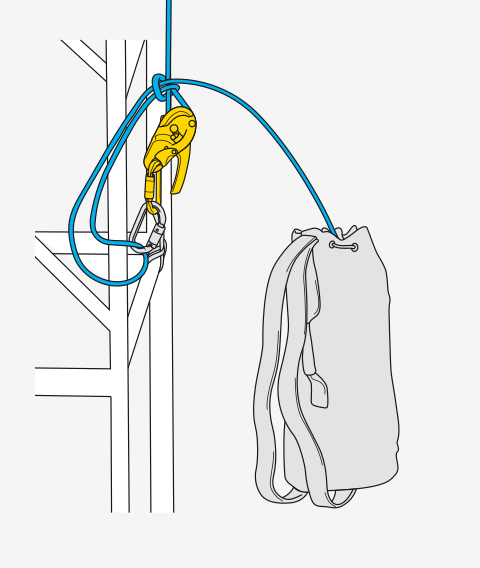
- Risk of inversion if the victim is wearing a pack, or has a heavy object attached to the harness

Sternal
- Position is more ergonomic when suspended
- Rescuer can easily manage the victim’s position
- The ASAP can take up space in front of the user during work

Dorsal
- Clear work space
- Uncomfortable position when suspended: abdomen and airway squeezed if the person is unconscious
- Difficult for rescuer to manage the victim’s position