Limit rope stretch by using two descenders in parallel
Expert Techniques
During a long descent, rope stretch can become a problem. Using two descenders in parallel allows you to limit stretch.
Warning
- Carefully read the Instructions for Use referenced in this Tech Tip before reading the Tech Tip itself. You must have read and understood the Instructions for Use to understand this supplementary information.
- Performing these techniques requires specific training. Work with a professional to confirm your ability to perform these techniques safely and independently before attempting them unsupervised.
- We provide examples of techniques related to your activity. Other techniques not described here may also exist.
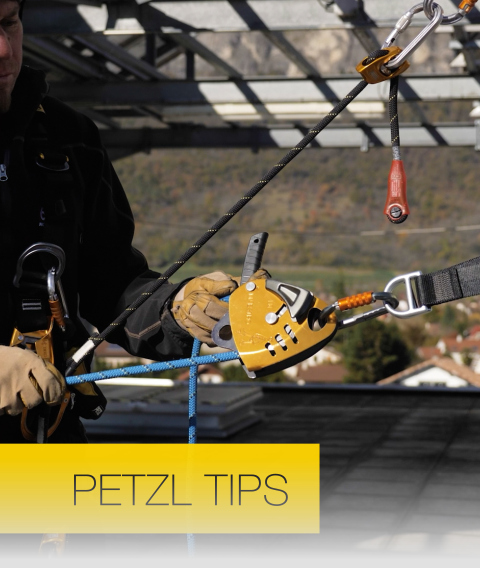
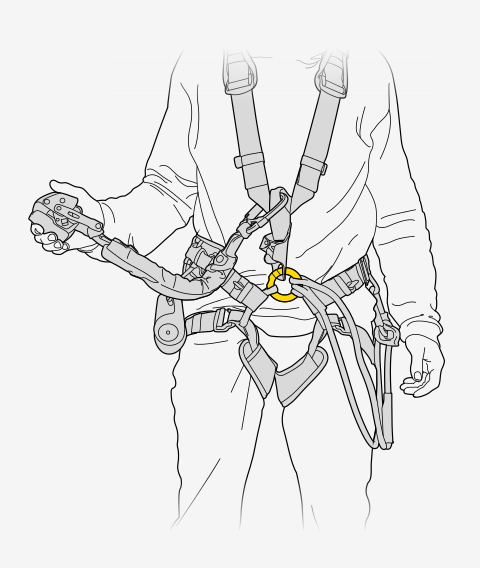
Here’s a solution to help mitigate the issue: install a descender on each of the two ropes and operate them simultaneously.
The load is shared between the two descenders, rope stretch is halved during progression, and the required clearance is reduced because the fall-arrest rope is under load.
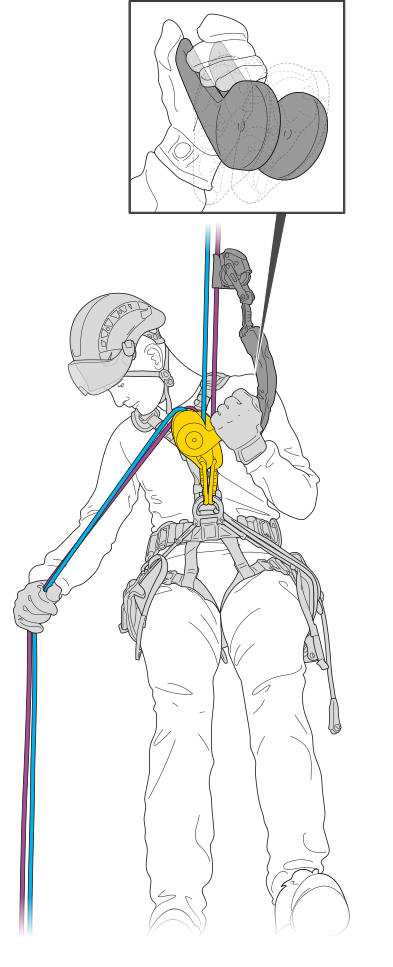
IF YOU DO NOT USE THIS TECHNIQUE during a long descent, rope stretch can cause two problems:
- Imprecise positioning if the progression rope isn’t loaded consistently (where the amount of weight supported by your feet is variable).
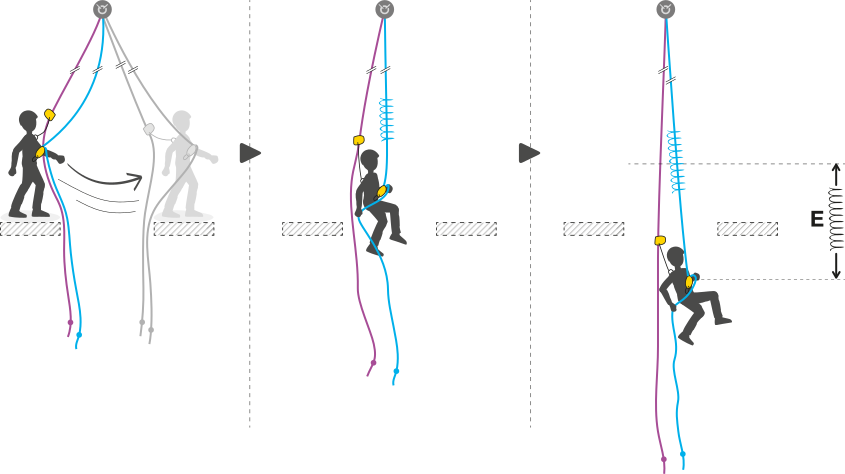

- Greater clearance is required in the event of failure of the progression rope; you must take into account the rope stretch as the unloaded fall-arrest rope is suddenly loaded.
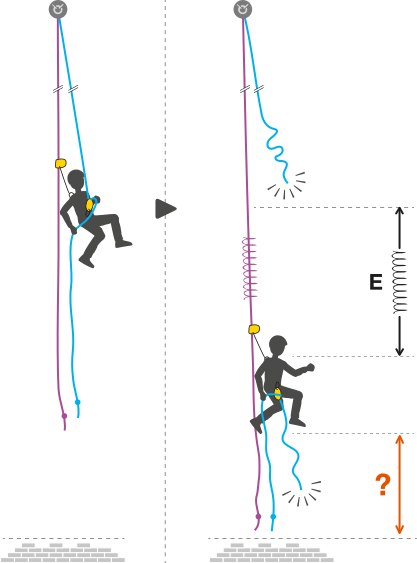

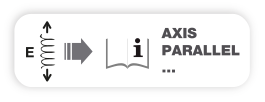
The percentage of rope stretch is indicated in their Instructions for Use. For a low-stretch rope like AXIS, the elongation under a single-person load is about 3% and up to more than 8% in case of dynamic overload, like stopping a descent too quickly.

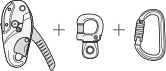
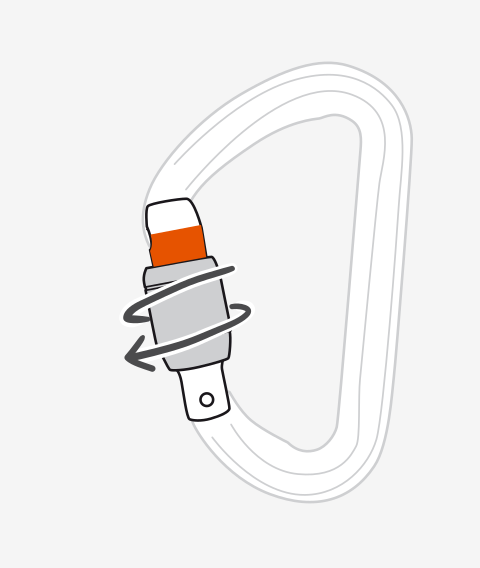
The addition of MICRO SWIVEL gated swivels between the carabiners and the descenders is particularly useful for this solution. The MICRO SWIVELs allow the two descenders to remain parallel, which improves ergonomics and descent control.