Using the TWIN RELEASE for a 3:1 Haul System
Rescue
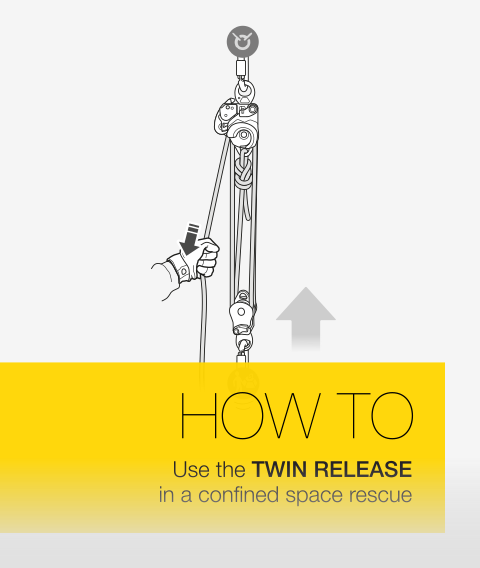
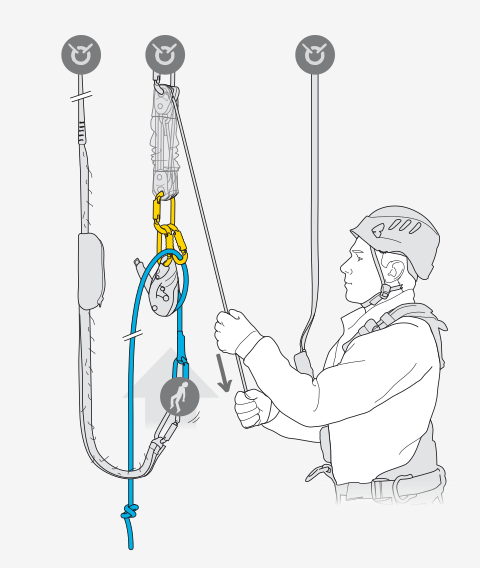
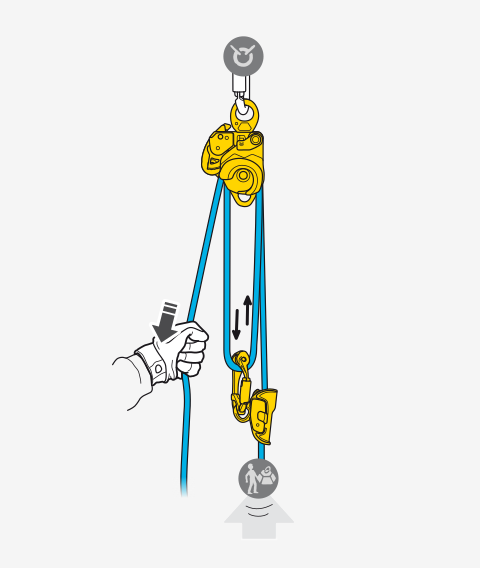
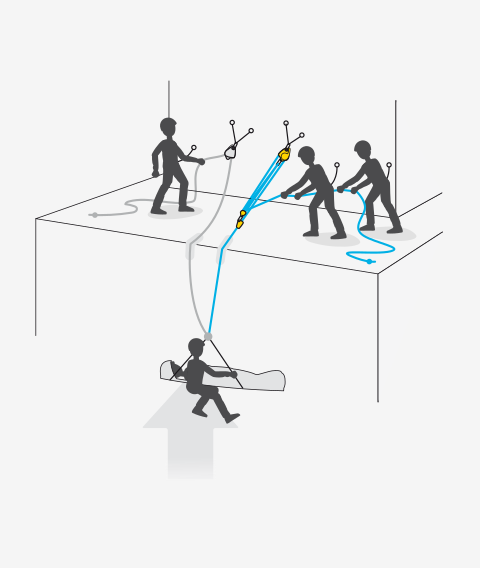
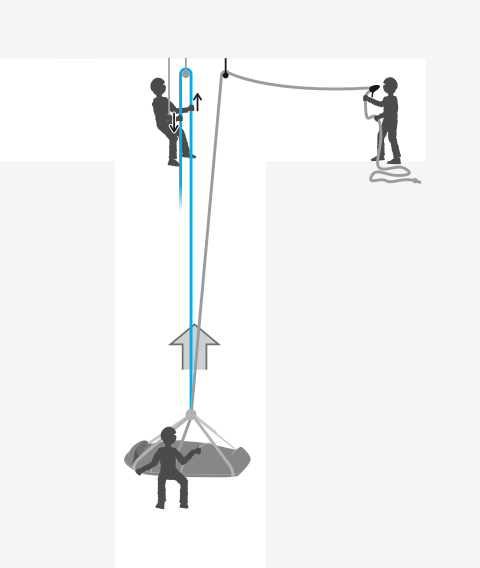
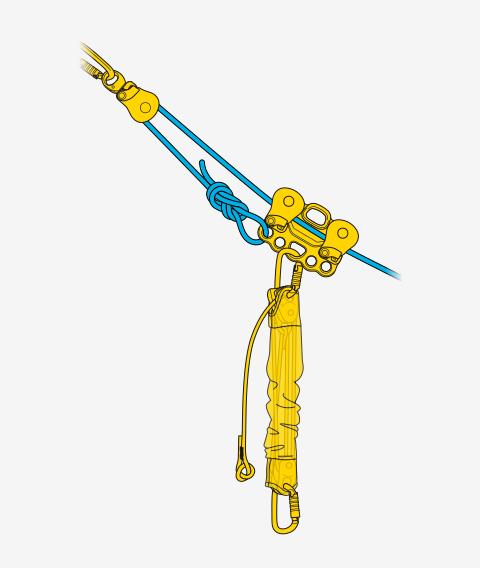
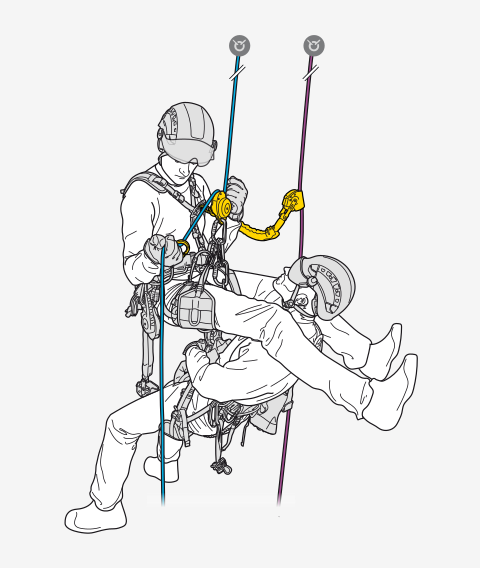
TWIN RELEASE was designed to be used in a 4:1 system. In certain situations, hauling with a 3:1 system can be advantageous, even though it offers a lower mechanical advantage.
Warning
- Carefully read the Instructions for Use referenced in this Tech Tip before reading the Tech Tip itself. You must have read and understood the Instructions for Use to understand this supplementary information.
- Performing these techniques requires specific training. Work with a professional to confirm your ability to perform these techniques safely and independently before attempting them unsupervised.
- We provide examples of techniques related to your activity. Other techniques not described here may also exist.
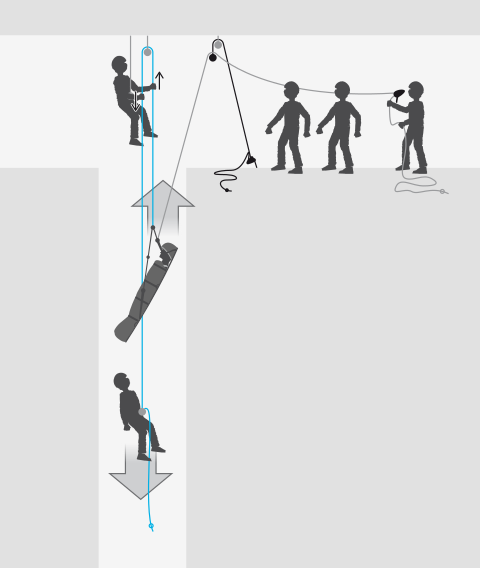
Besides the mechanical advantage of the two systems, one important difference is the rope movement:
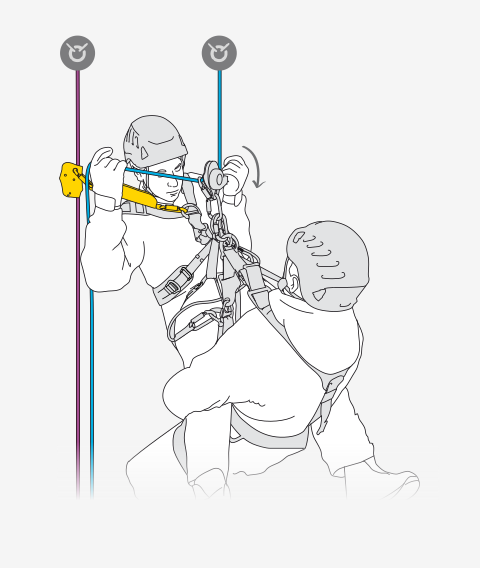
In a 4:1 system, all rope strands are moving through the double pulley connected to the load.
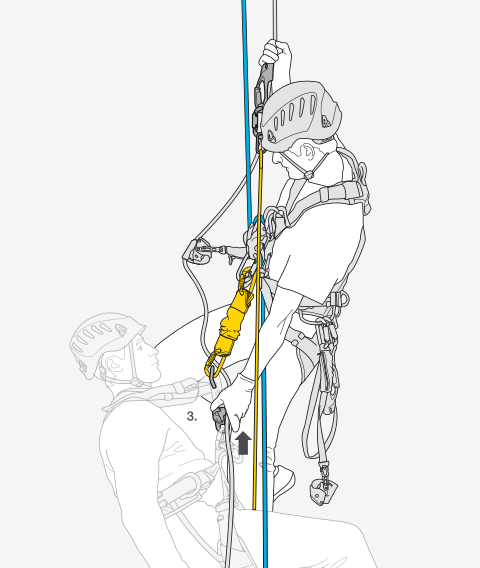
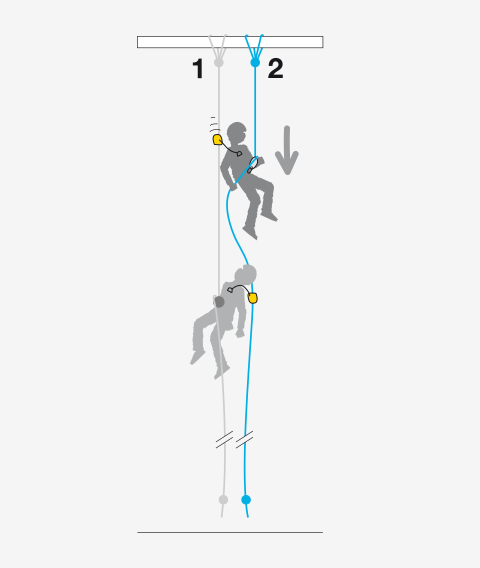
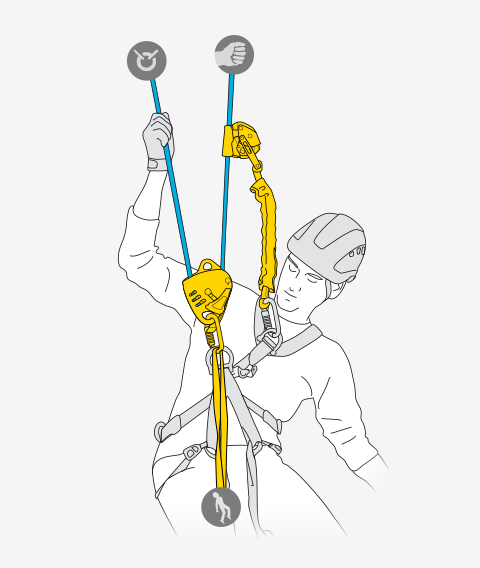
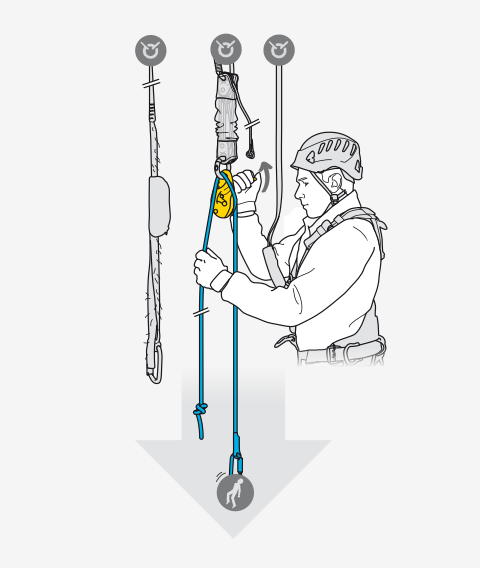
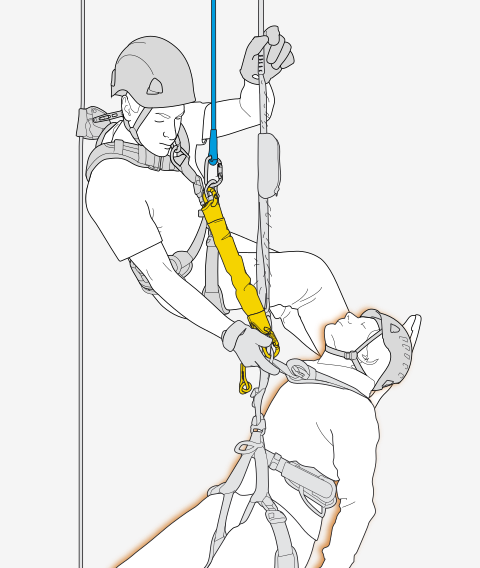
In a 3:1 system, a rope strand is connected to the load and is therefore motionless relative to the load. This “fixed” strand can be useful in certain rescue situations: for example, to attach a breathing apparatus above a victim.
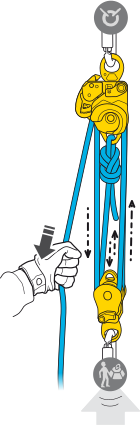
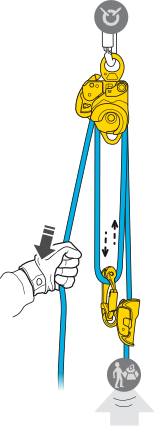
Working load limit for a 3:1 system: 210 kg
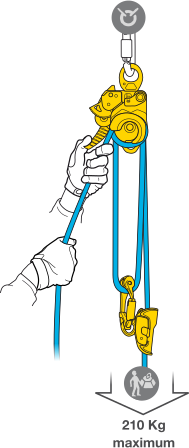

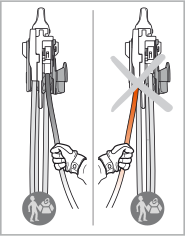
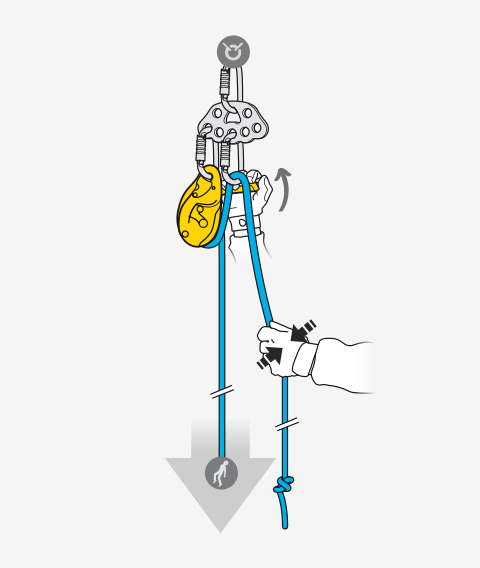
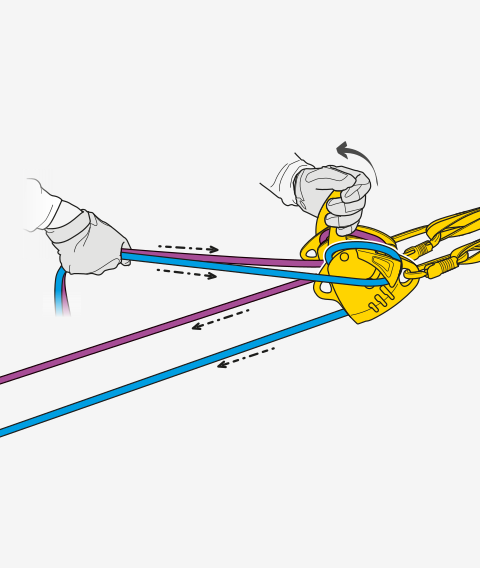
Follow the TWIN RELEASE Instructions for Use and take care to ensure that the free end of the rope is correctly installed on the faceted sheave.
Installing the free end of the rope on the smooth sheave would limit the ability to lower the load during operations (inability to use the external brake to control the descent and the braking effect of the faceted sheave would be reduced).