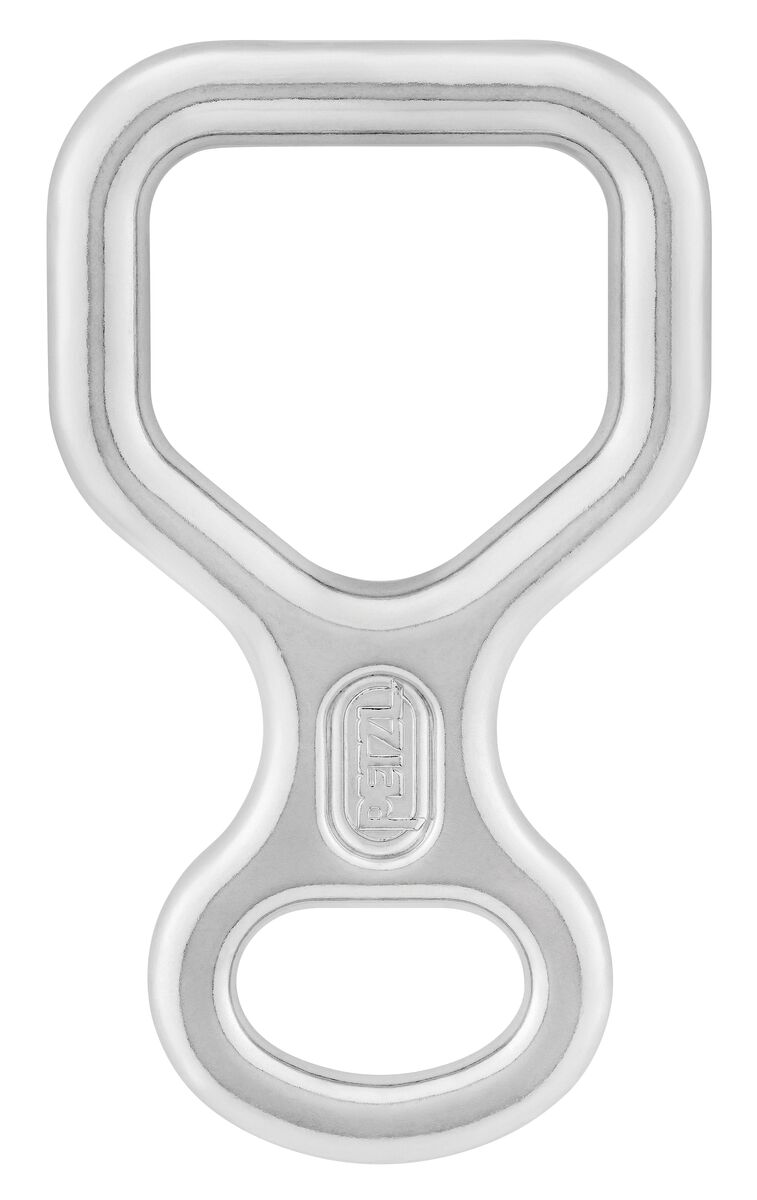
Friction modes and tie-offs for the HUIT
Basic Techniques
Rappelling on a single strand of rope requires knowing how to adjust the descender friction, depending on the situation. When stopping on rappel, a tie-off frees up your hands.
Warning
- Carefully read the Instructions for Use referenced in this Tech Tip before reading the Tech Tip itself. You must have read and understood the Instructions for Use to understand this supplementary information.
- Performing these techniques requires specific training. Work with a professional to confirm your ability to perform these techniques safely and independently before attempting them unsupervised.
- We provide examples of techniques related to your activity. Other techniques not described here may also exist.
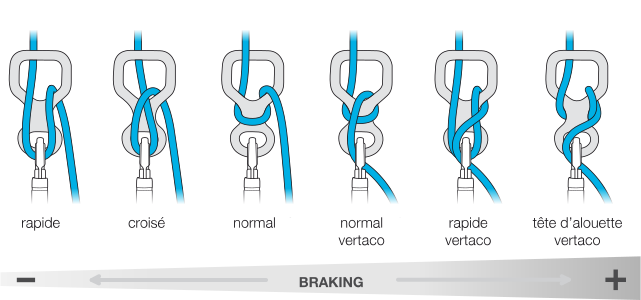
Adjusting friction on the HUIT
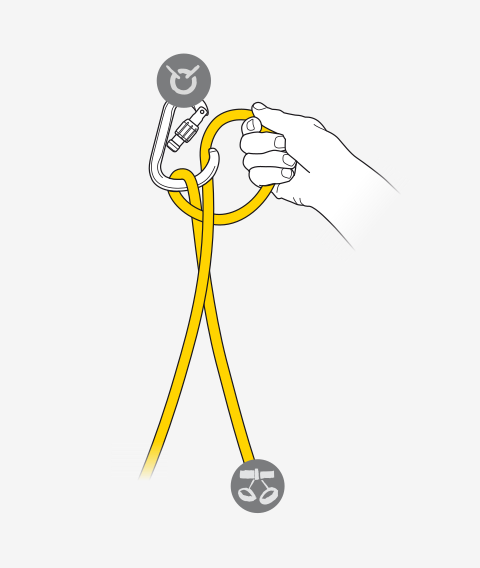
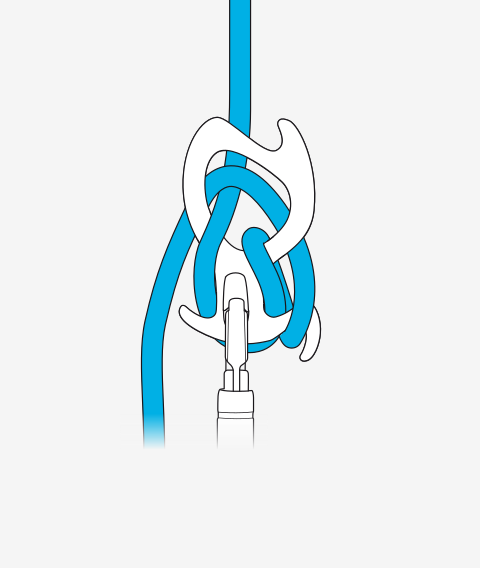
How the rope is inserted into the HUIT allows choosing the amount of friction suitable for the planned rappel, depending on the terrain, the situation, rope diameter, user weight... The choice must be made before starting the rappel.

Tying off the HUIT
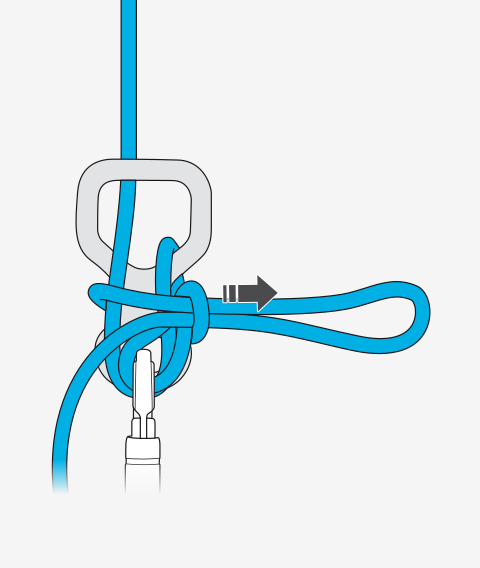
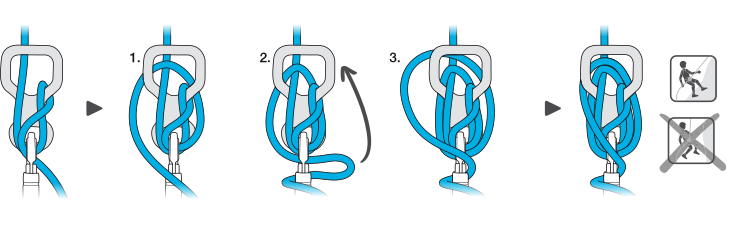
To stop on rappel and free up your hands, you must do a tie-off.
- HUIT tie-off in normal friction mode
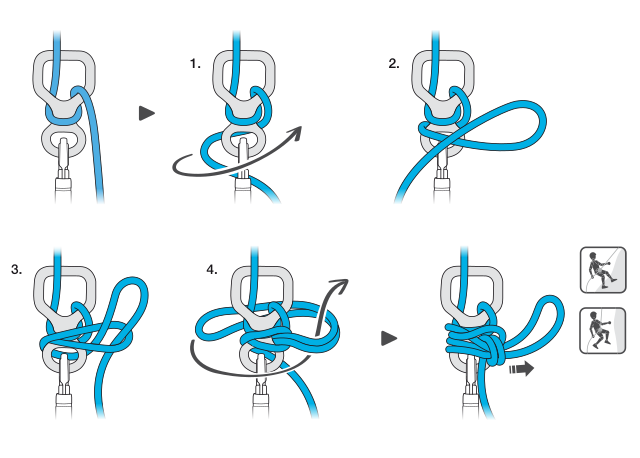

- HUIT tie-off in vertaco friction mode
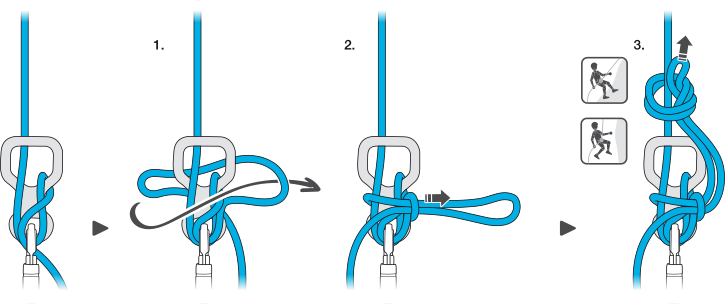

- Caver-style HUIT tie-off in vertaco friction mode
WARNING: this tie-off can be difficult to undo if the user's feet are not on a supporting surface.

Technical tip done in collaboration with the CREPS Rhône-Alpes