Roof operation
Basic Techniques
Depending on the operation, roof access and the fall protection system may be adapted to the situation.
Warning
- Carefully read the Instructions for Use referenced in this Tech Tip before reading the Tech Tip itself. You must have read and understood the Instructions for Use to understand this supplementary information.
- Performing these techniques requires specific training. Work with a professional to confirm your ability to perform these techniques safely and independently before attempting them unsupervised.
- We provide examples of techniques related to your activity. Other techniques not described here may also exist.
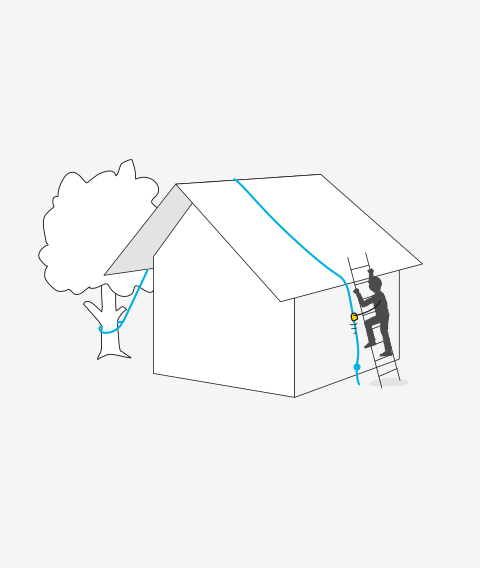
1. Roof access
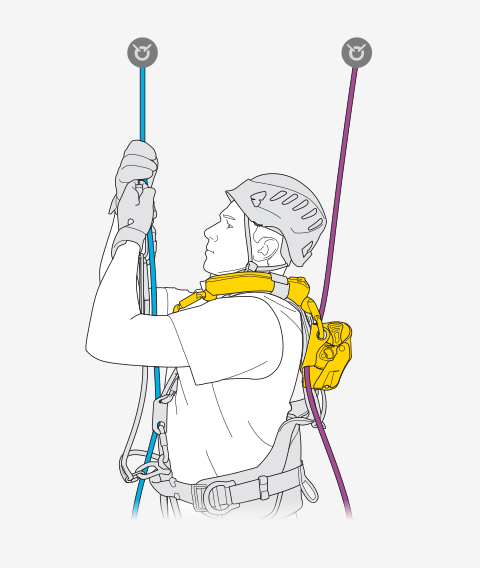
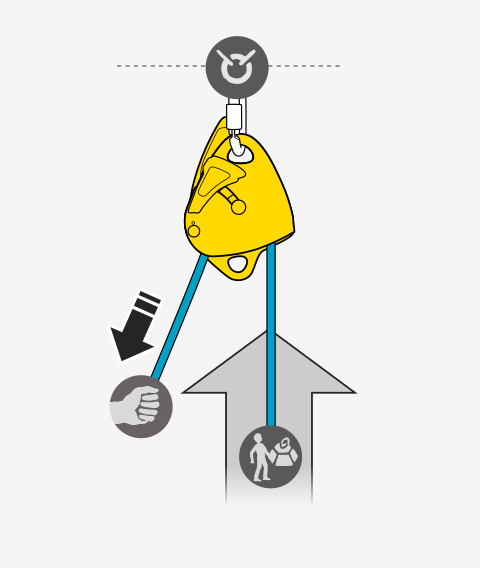
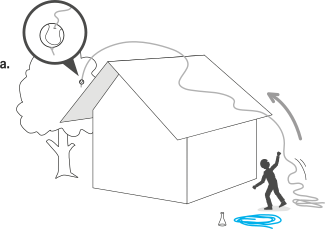
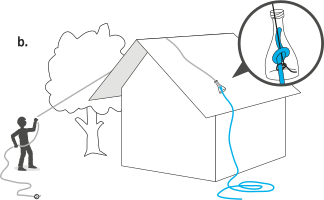
Installing a rope with releasable anchor; backed up ascent with the ASAP.
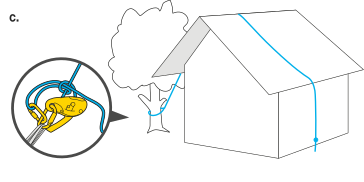
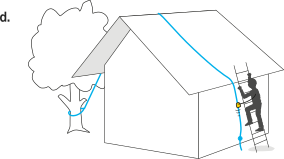
2. Temporary use with individual fall-arrest system.
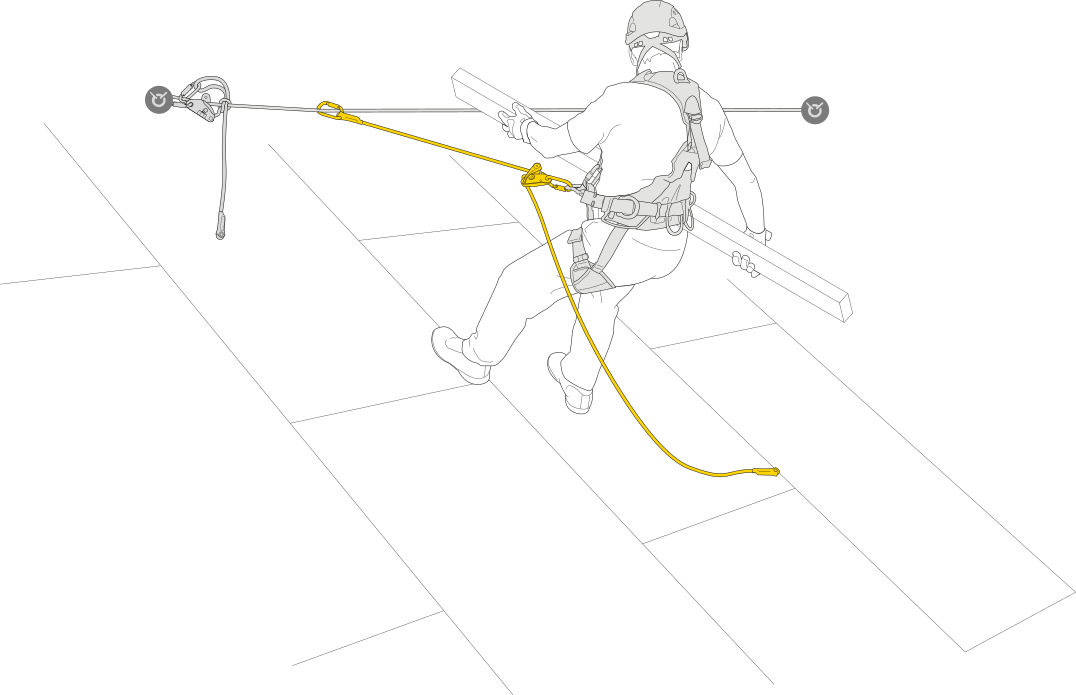
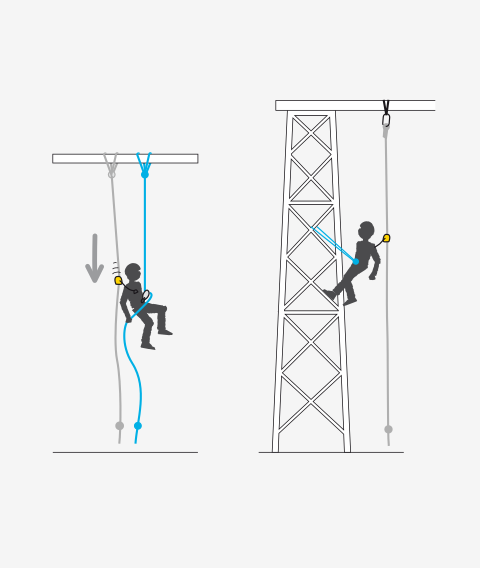
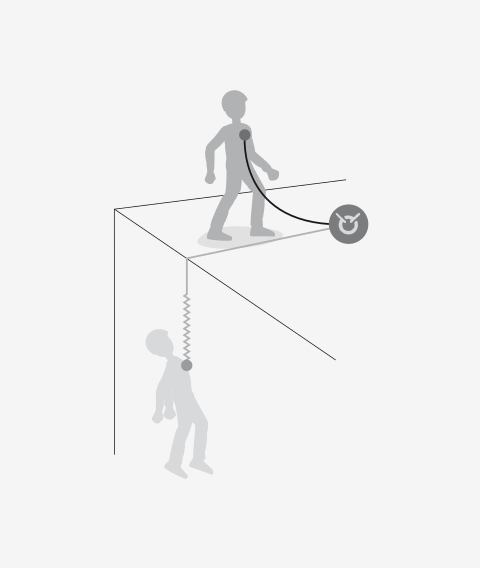
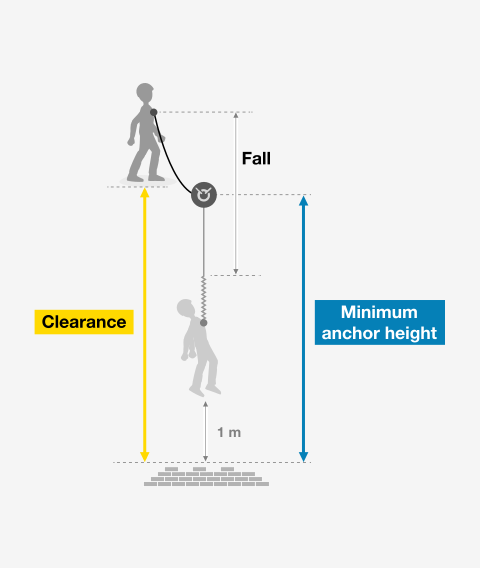
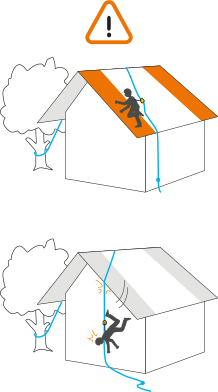
For any work at height situation, a fall-arrest system is mandatory. In a temporary use situation, this fall-arrest system may be used on its own.
Working in the center of the roof (limited access zone).
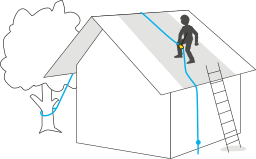
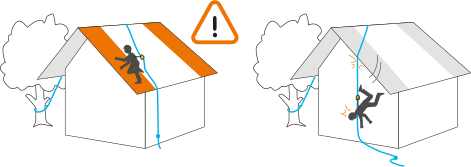
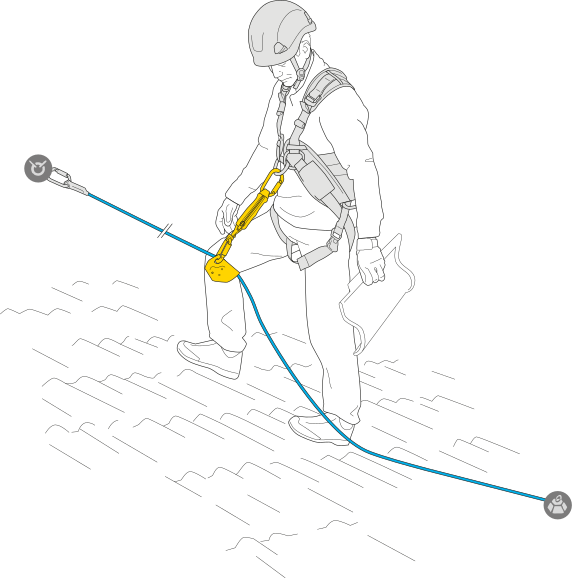
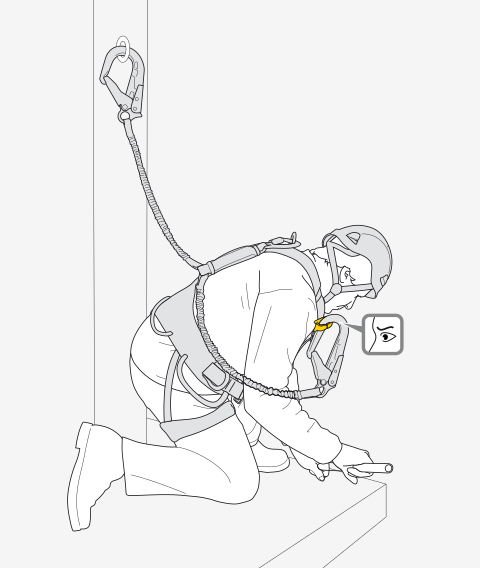
Working at the edges.
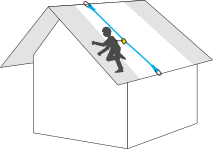
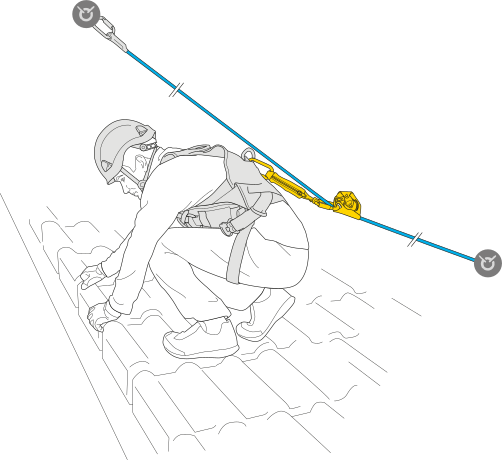
3. Long-term use
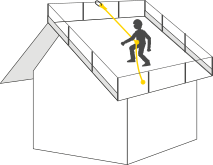
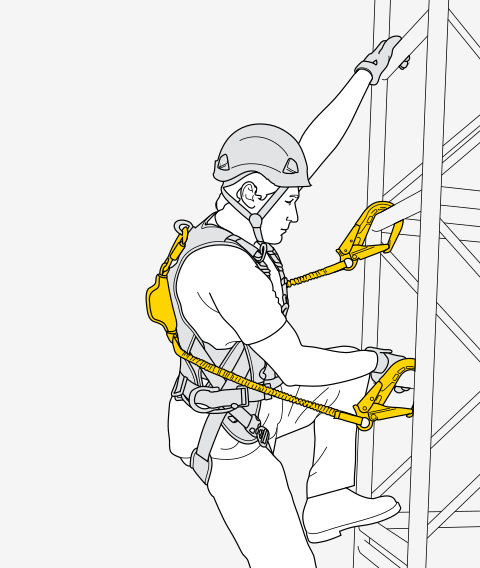
For a long-term operation, installing collective protection removes the need for individual fall-arrest systems and thus simplifies operations during the work phases. In the situations below, the GRILLON is used on its own for work positioning, in addition to collective protection.