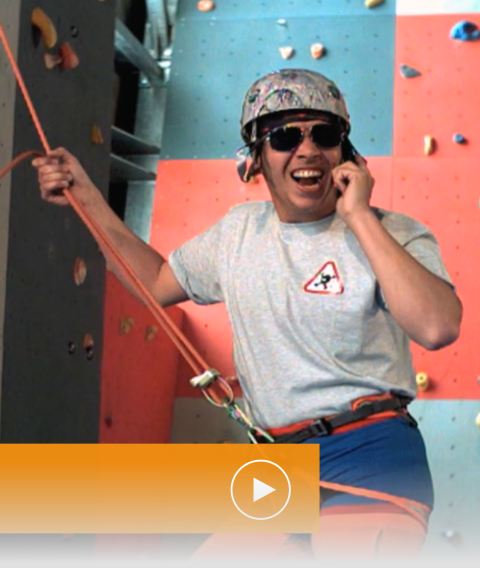
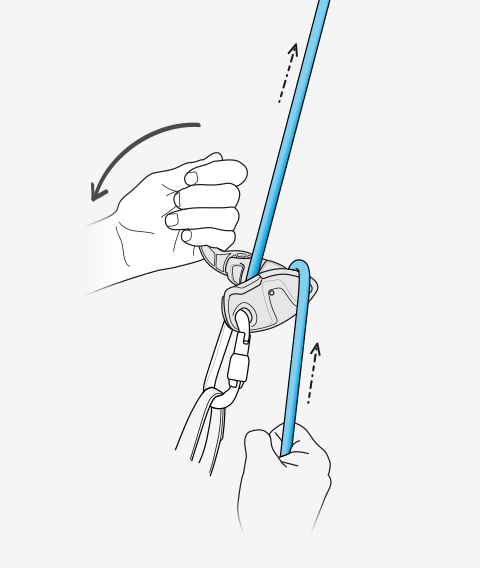
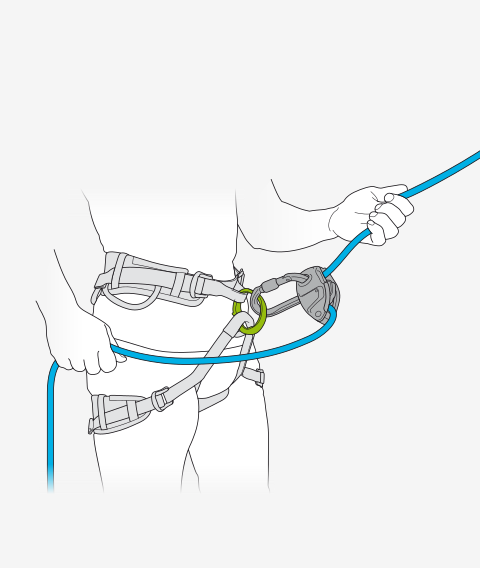
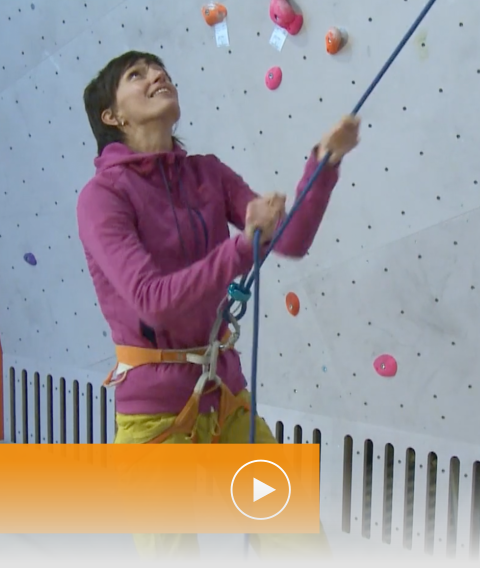
Spotting and belaying at the start of the route
Basic Techniques
Spotting can help reduce the consequences of a fall in the first few meters of a climb, before the climber has clipped the first protection point.
Warning
- Carefully read the Instructions for Use referenced in this Tech Tip before reading the Tech Tip itself. You must have read and understood the Instructions for Use to understand this supplementary information.
- Performing these techniques requires specific training. Work with a professional to confirm your ability to perform these techniques safely and independently before attempting them unsupervised.
- We provide examples of techniques related to your activity. Other techniques not described here may also exist.
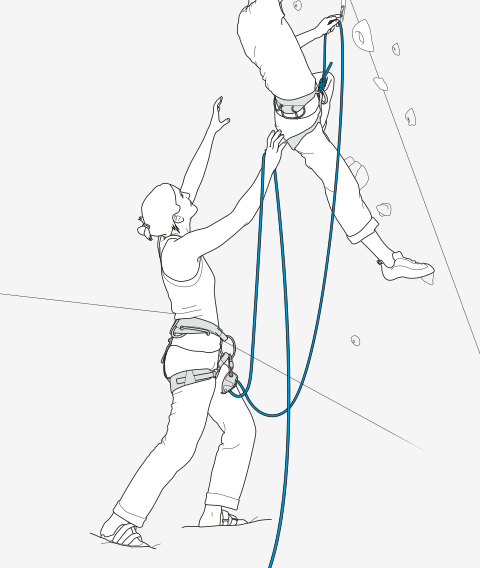
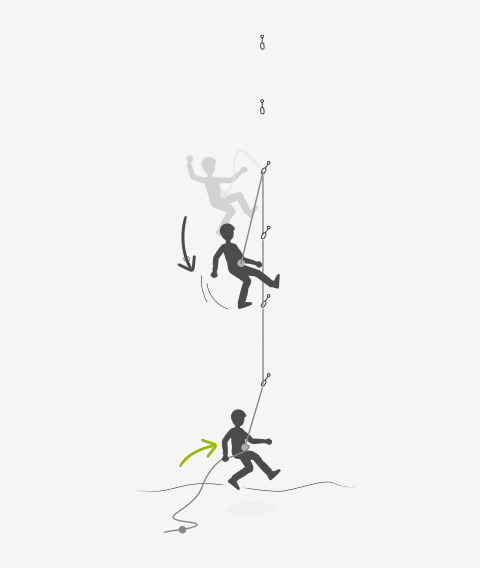
Spotting is not about catching the climber. It's about guiding the climber's movements so that s/he lands in a good location and does not flip over backwards in a fall.
The spotter's technique must be adapted to the height and size of the climber. Generally the spotter's hands aim for the pelvis and the top of the climber's back, which are the key points for the climber's safety.
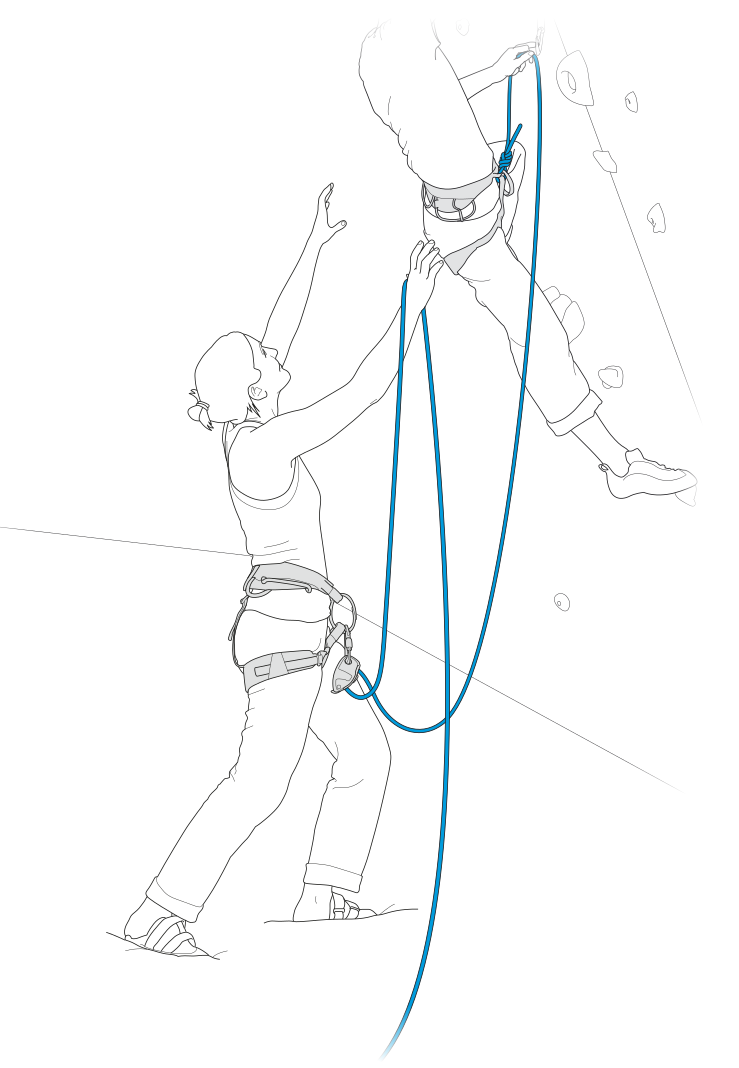
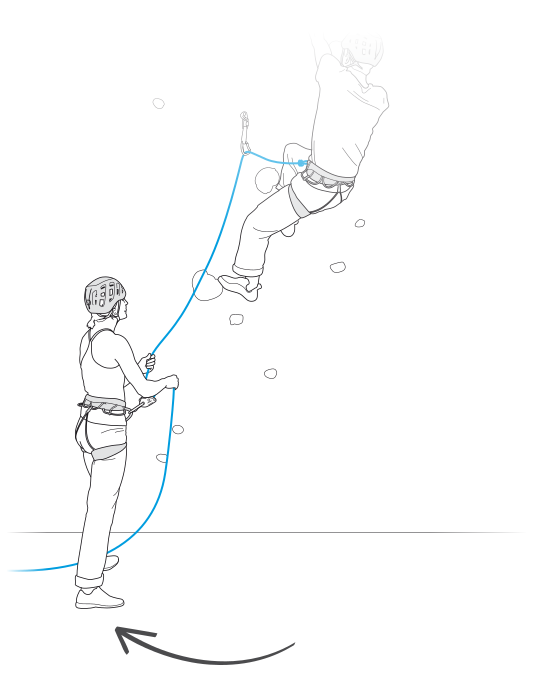
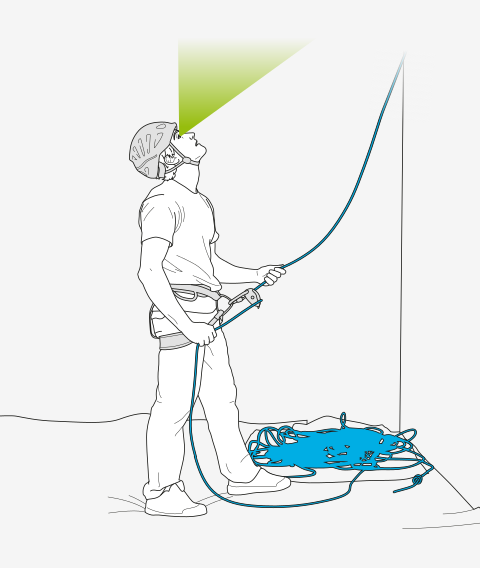
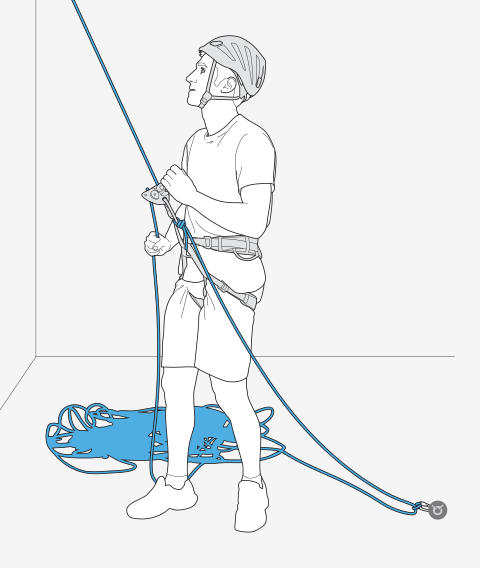
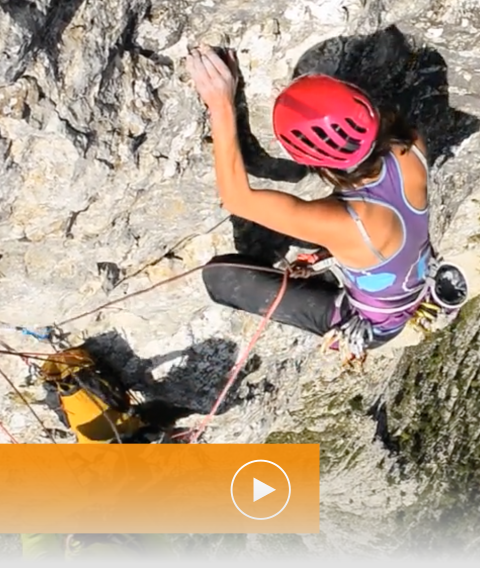
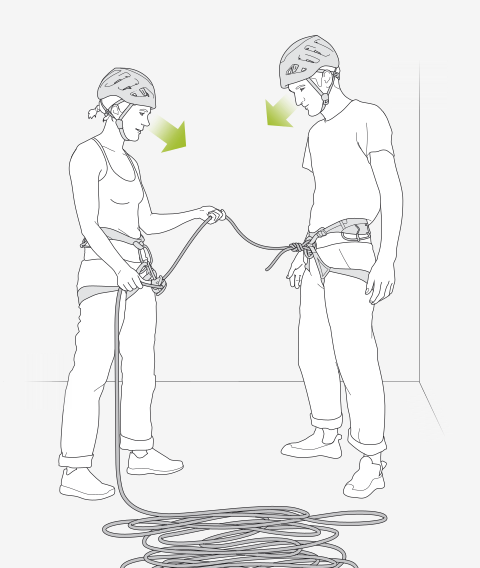
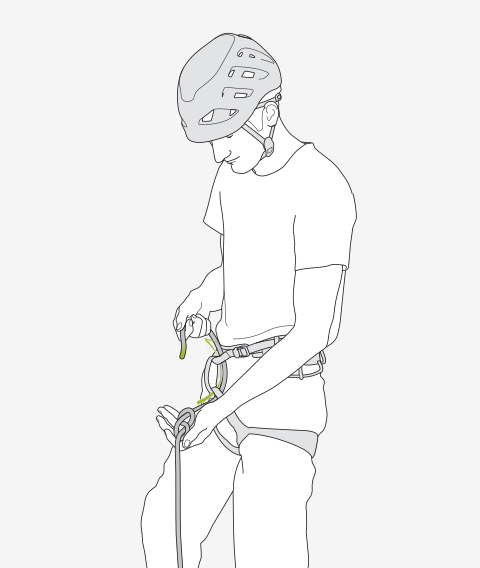
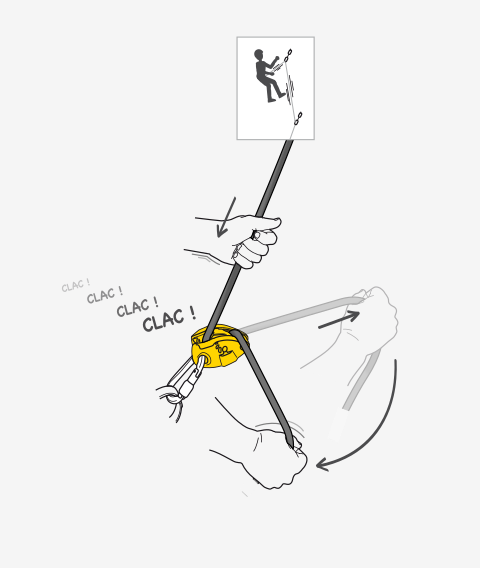
The belayer should spot until the first point is clipped. During this phase, the rope and belay device are already installed, with enough slack for the climber to clip the first point.
Once the first point is clipped, the belayer assumes a normal belaying stance.
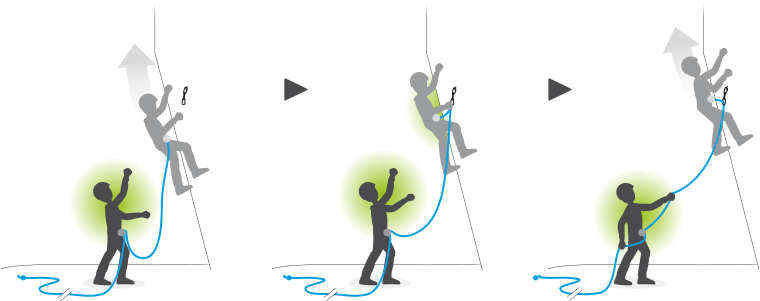
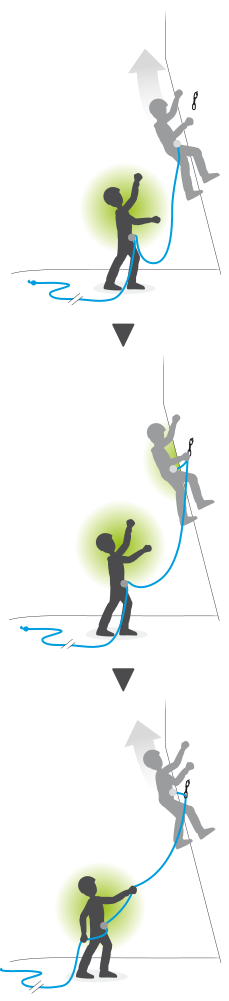
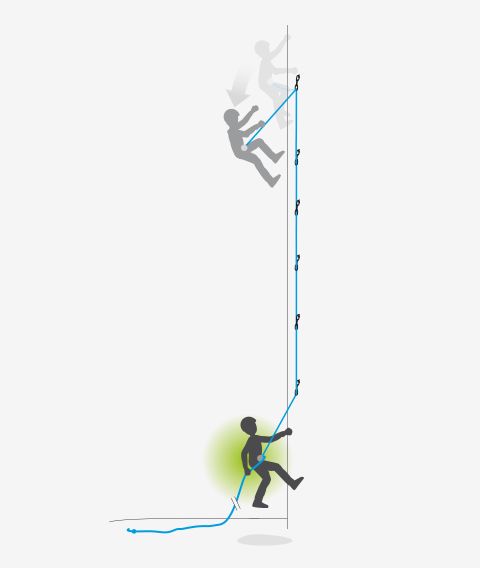
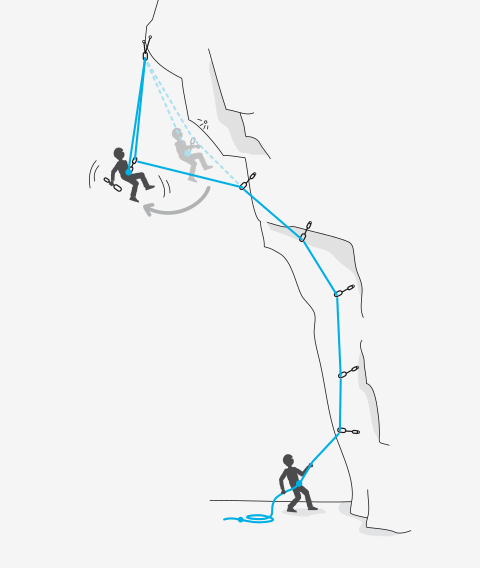
To reduce the risk of groundfall:
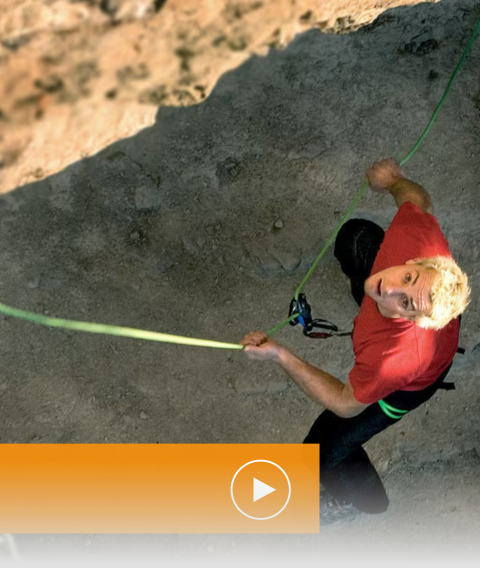
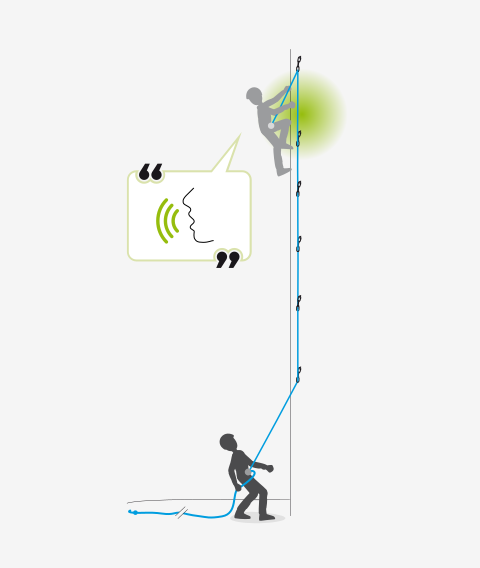
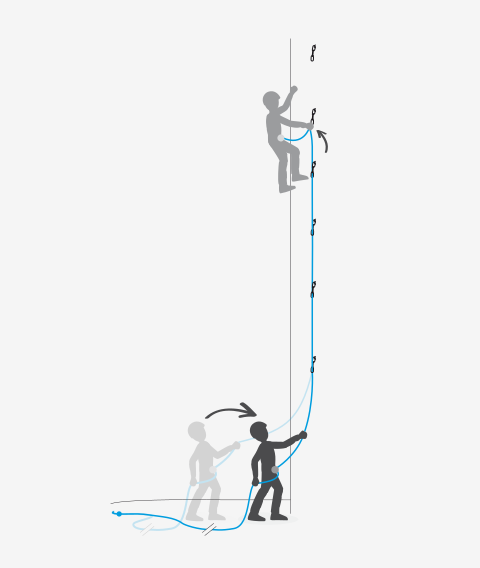
The belayer must be close enough to the wall to minimize the amount of rope between him/her and the climber.
To avoid a collision in case of a fall:
The belayer must correctly visualize the trajectory of the route to avoid being below the climber. Position the rope so that it doesn't hinder the climber. Because the belayer is close to the wall and to the climber, the rope often gets caught in the climber's feet or interferes with the next clip. By being mobile and engaged, the belayer can make things go a lot easier in that moment.