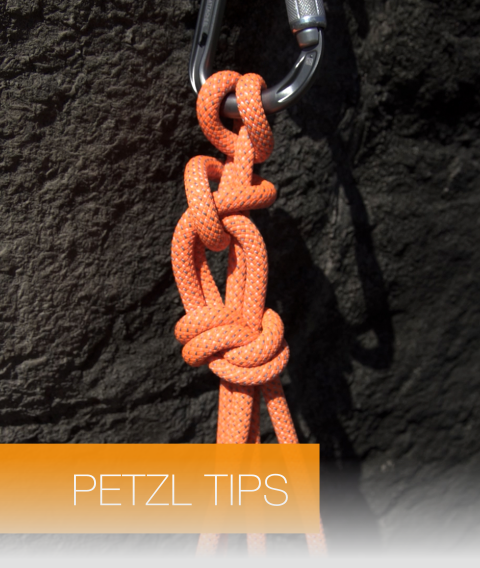
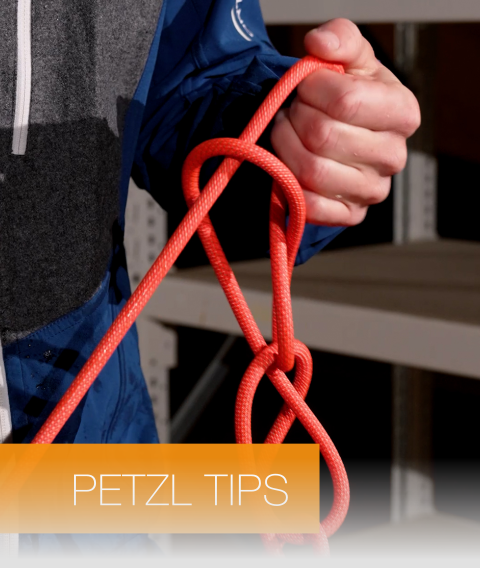
Quick rappel on a ridge climb
Basic Techniques
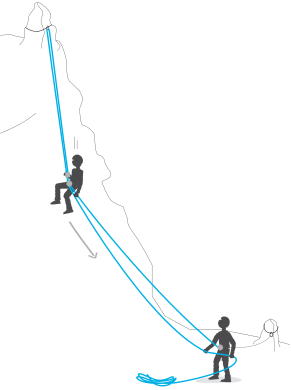
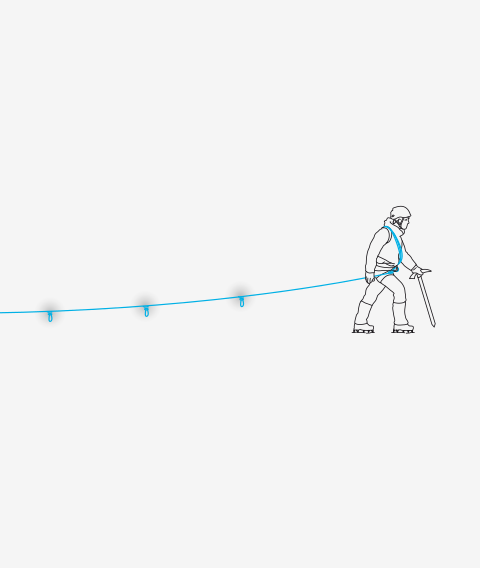
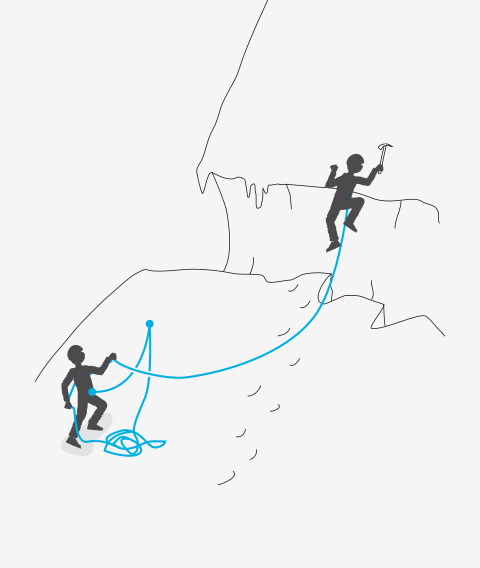
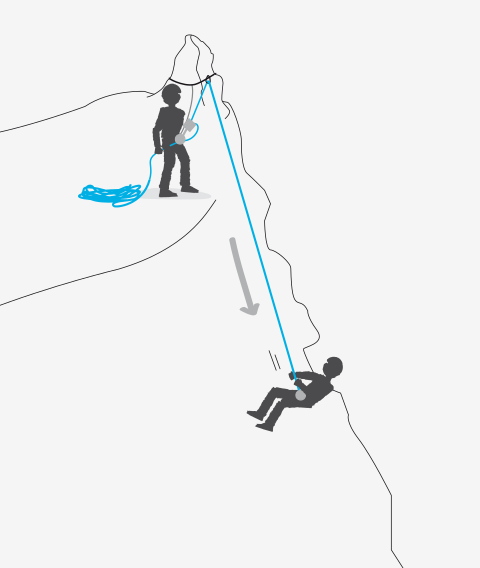
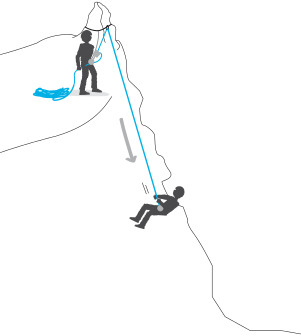
Speed and efficiency are often key to a successful ridge climb. A short descent that interrupts progression needs to be negotiated quickly. Therefore, lowering one of the team members optimizes rope installation and limits the risk of the rope snagging or tangling, or of rock fall.
Warning
- Carefully read the Instructions for Use referenced in this Tech Tip before reading the Tech Tip itself. You must have read and understood the Instructions for Use to understand this supplementary information.
- Performing these techniques requires specific training. Work with a professional to confirm your ability to perform these techniques safely and independently before attempting them unsupervised.
- We provide examples of techniques related to your activity. Other techniques not described here may also exist.
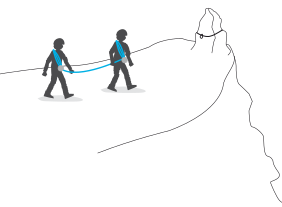
1. Preparation at the belay station
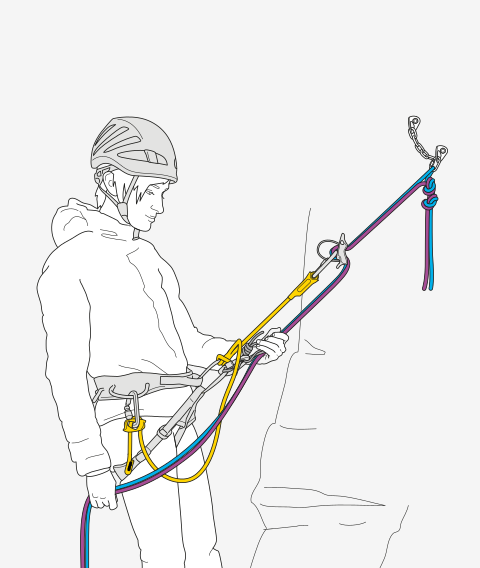
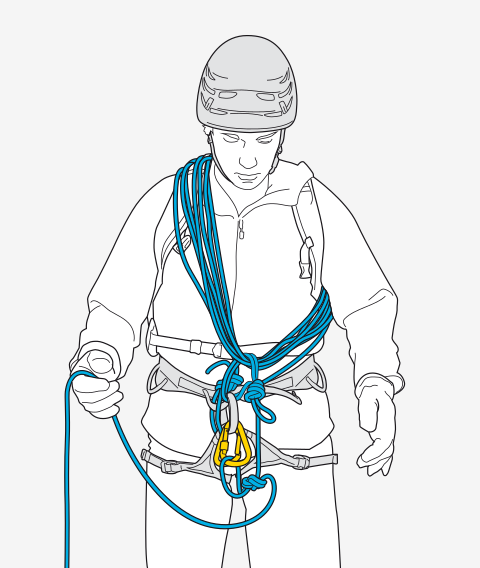
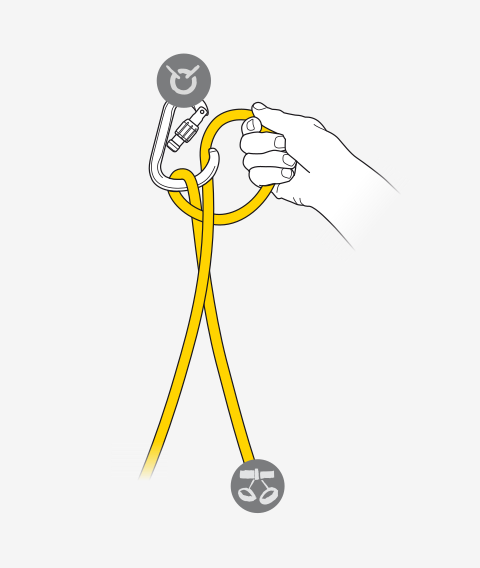
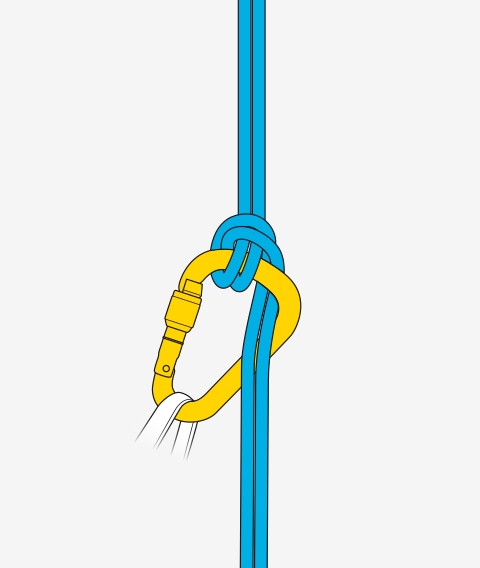
The team members anchor themselves and then untie from the rope, running the rope through the rappel ring. The first team member to descend ties in again.
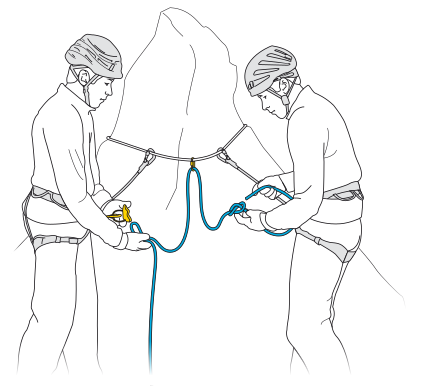
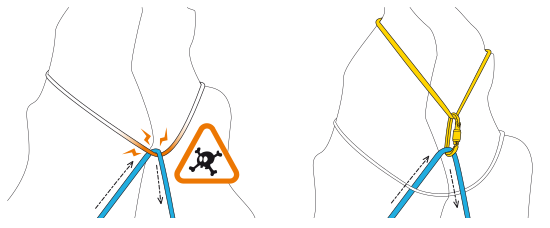
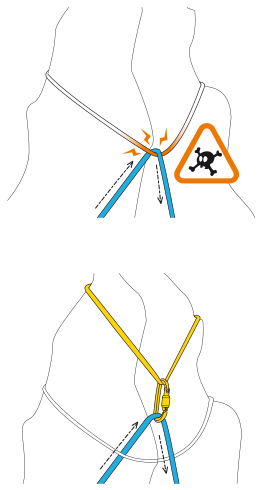
Without a rappel ring:
A cord must not be used as a directional point for lowering. The station must be temporarily reinforced with an additional anchor above, which is removed before the final rappel.
2. Lowering the first team member
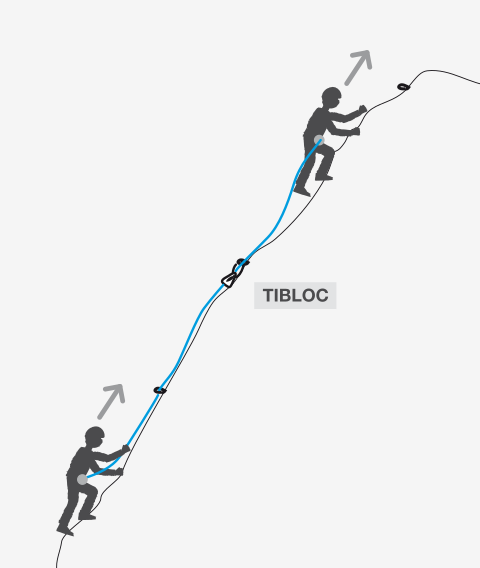
The descending team member chooses the best route and establishes the landing area.
He can also bring down the free end of the rope.
- Less risk of a bad throw and loss of time.
- The belayer must manage two moving rope strands at the same time.
3. The second team member descends on rappel
The first member down anchors into the lower station, remains tied into the rope and ensures the free end is well positioned.