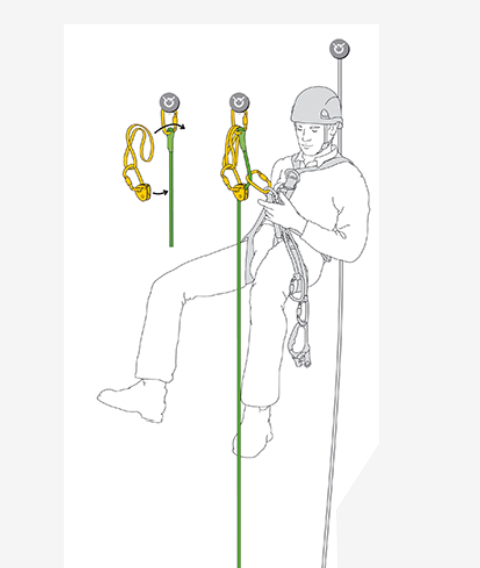
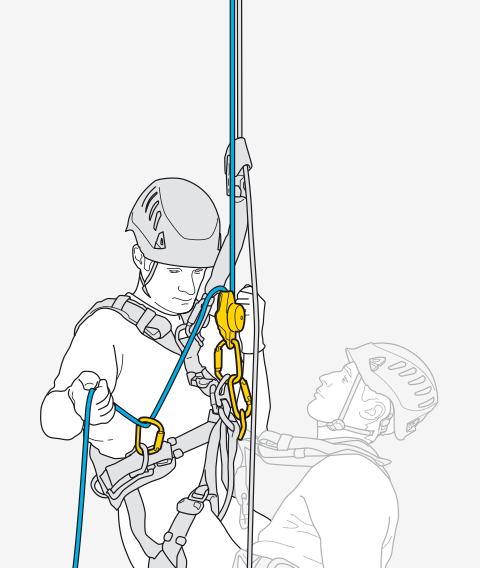
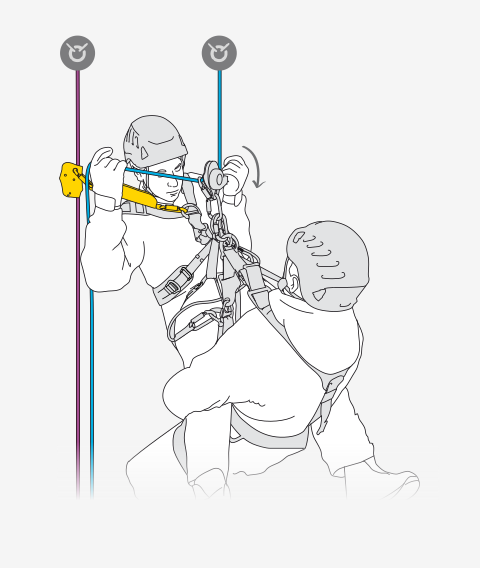
Release and evacuation of a victim on a CROLL
Rescue
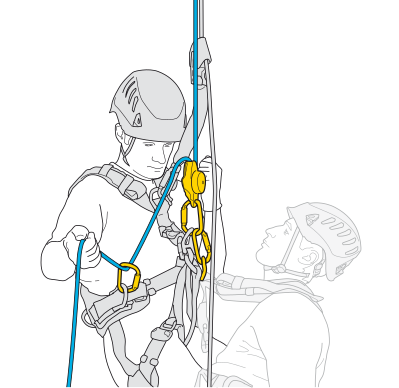
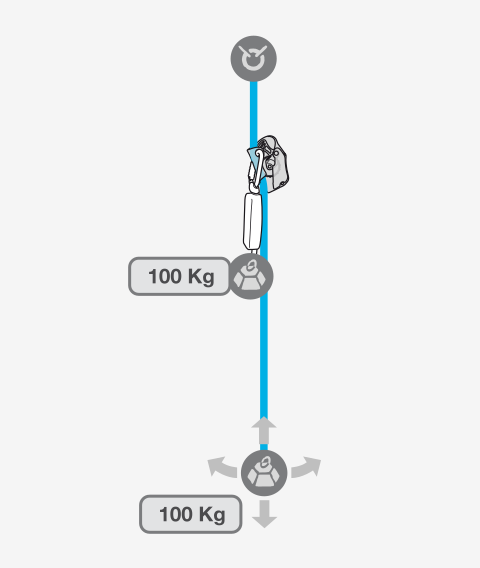
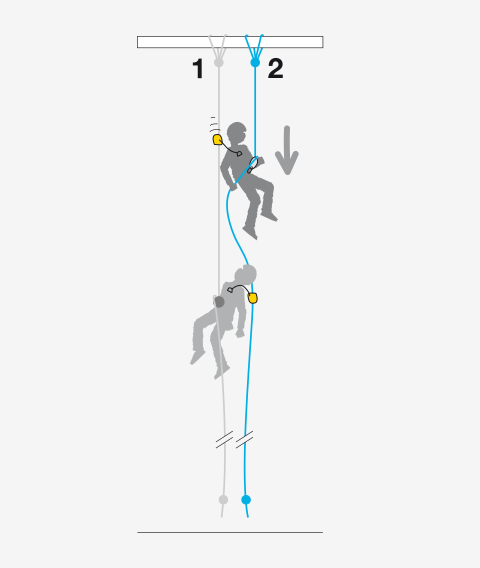
Operation from below by a team member with their own equipment. The rescuer must do their risk assessment before intervening and include a check that the victim's ropes are in good condition. The counterbalance system is used to transfer the victim onto the descender. The rescuer ascends on the victim's safety line.
Warning
- Carefully read the Instructions for Use referenced in this Tech Tip before reading the Tech Tip itself. You must have read and understood the Instructions for Use to understand this supplementary information.
- Performing these techniques requires specific training. Work with a professional to confirm your ability to perform these techniques safely and independently before attempting them unsupervised.
- We provide examples of techniques related to your activity. Other techniques not described here may also exist.
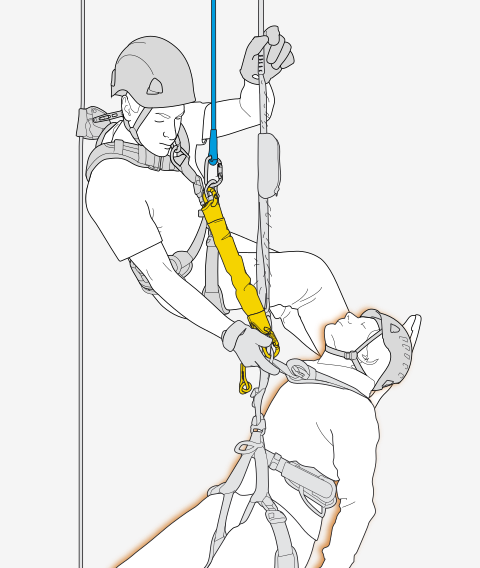
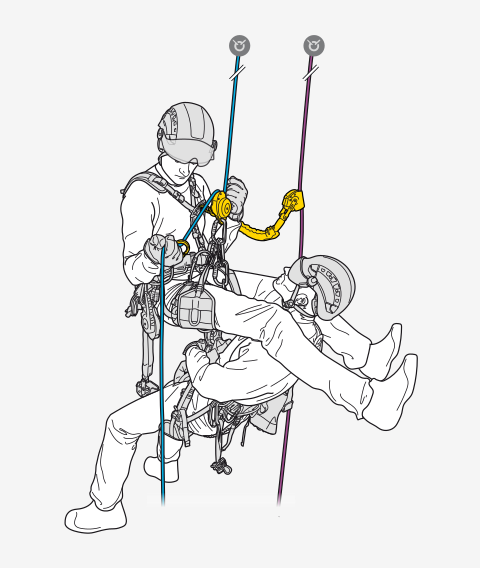
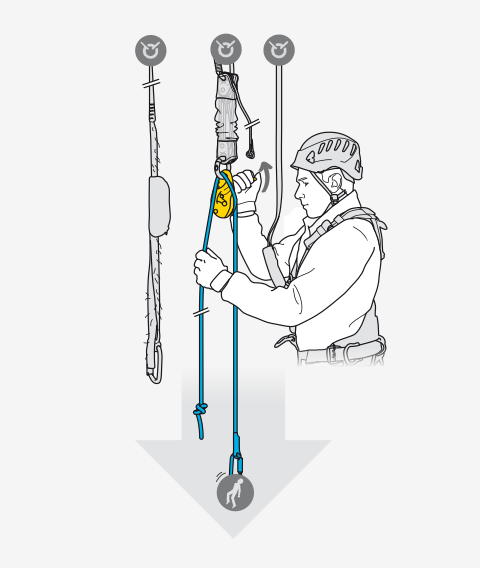
1. The rescuer transfers himself to the RIG descender, connects their lanyard to the victim and moves their ASAP above the victim.
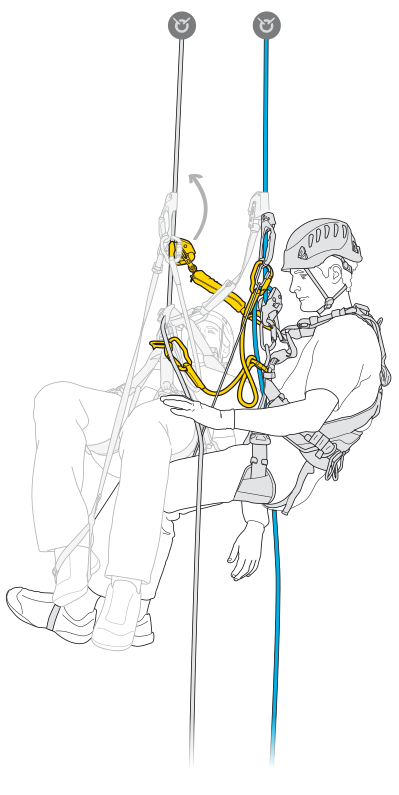
2. The rescuer puts a second connection in place. They can then remove the equipment that is in the victim's way.
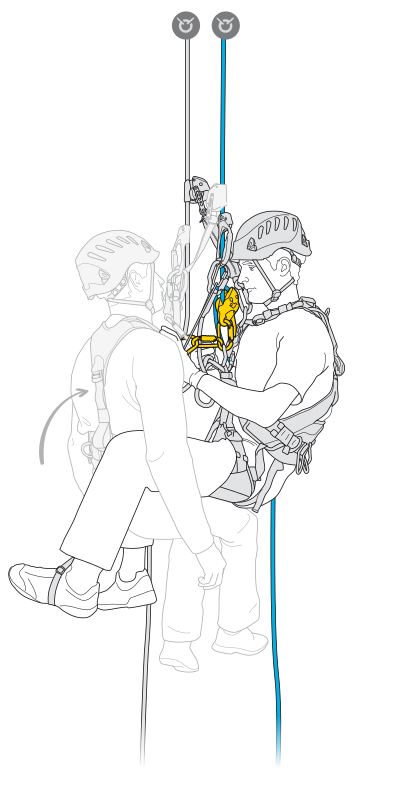
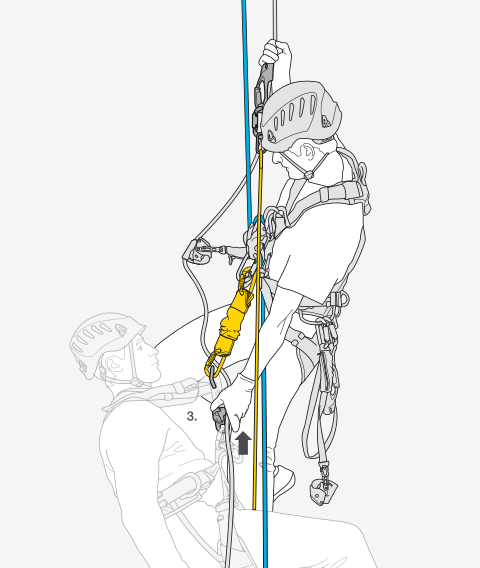
3. On the victim's rope, the rescuer installs their foot loop in counterbalance on the ASCENSION handled rope clamp.
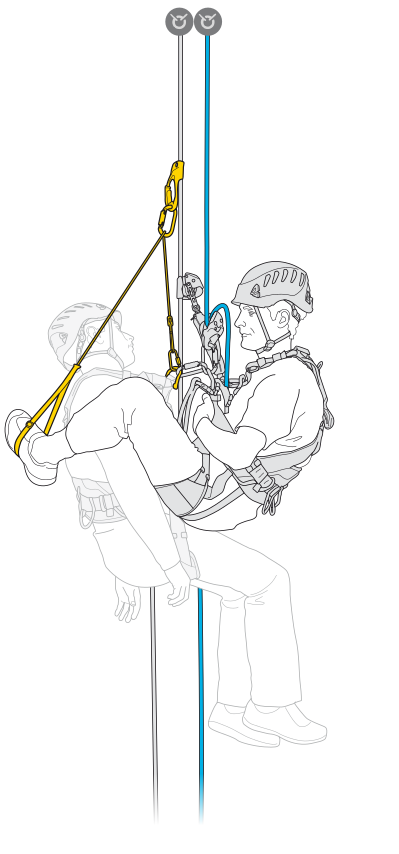
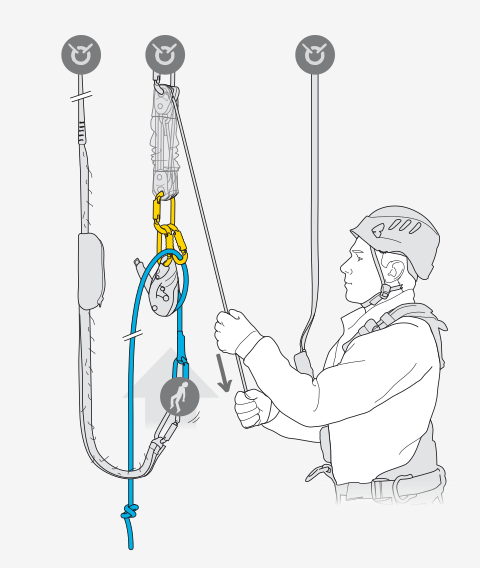
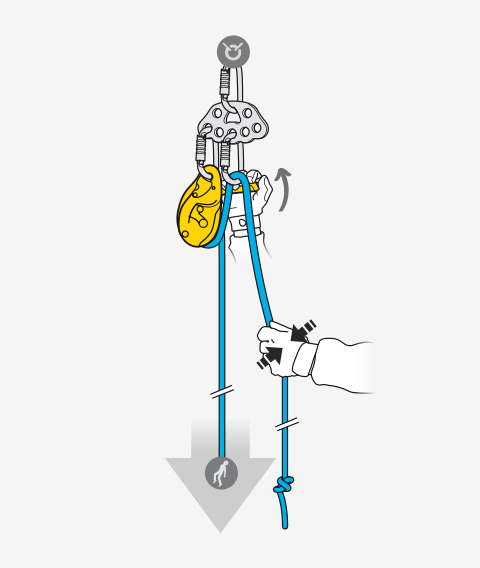
4. In counterbalance on the foot loop, the rescuer blocks the rope from running through the CROLL and raises the victim. They remove the CROLL and takes up as much rope slack as possible in the RIG descender.
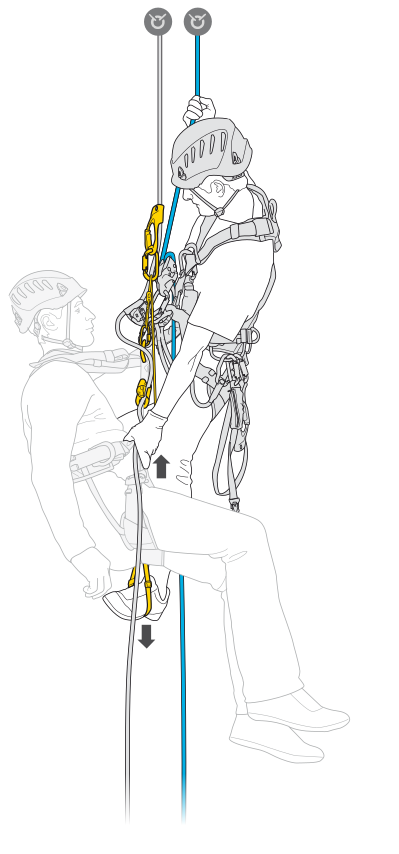
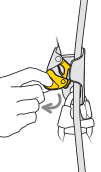
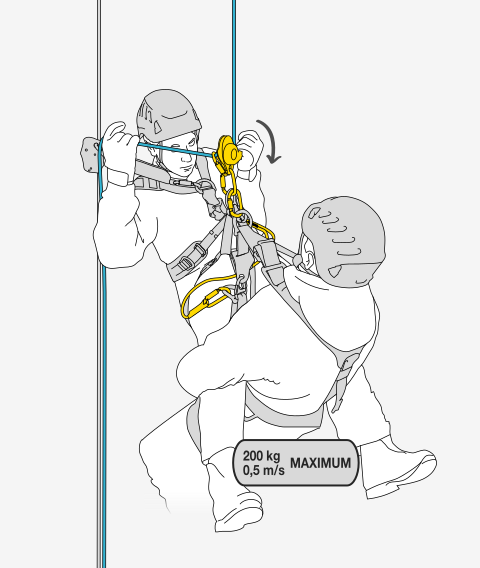
5. The rescuer, hanging on the RIG, recovers their rope clamp. They install a braking carabiner and accompanies the victim to the ground.