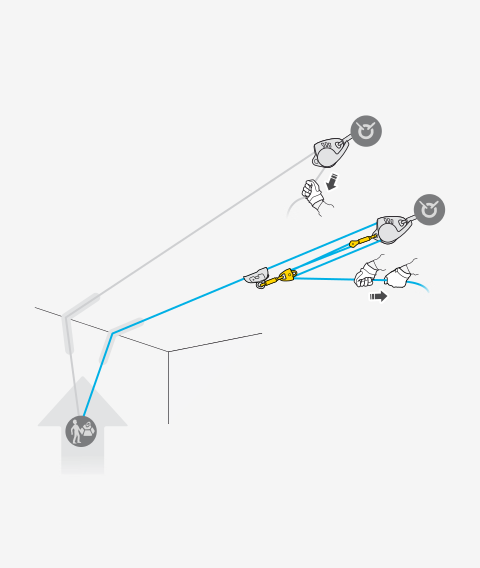
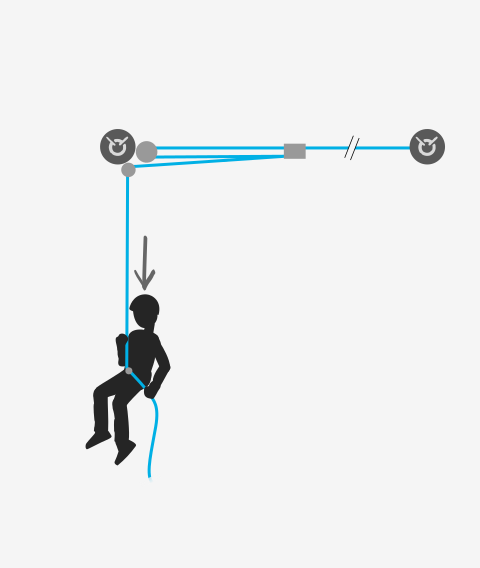
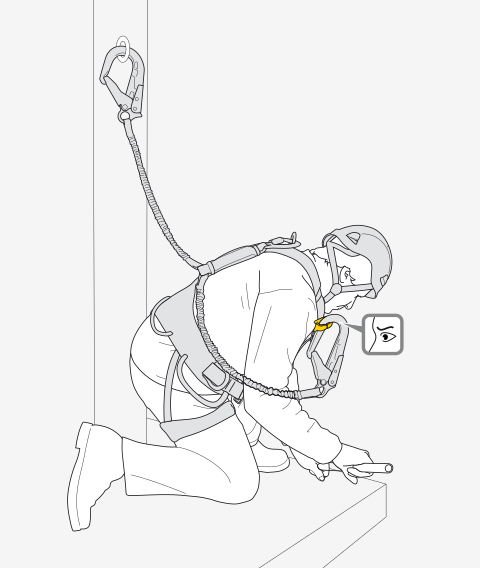
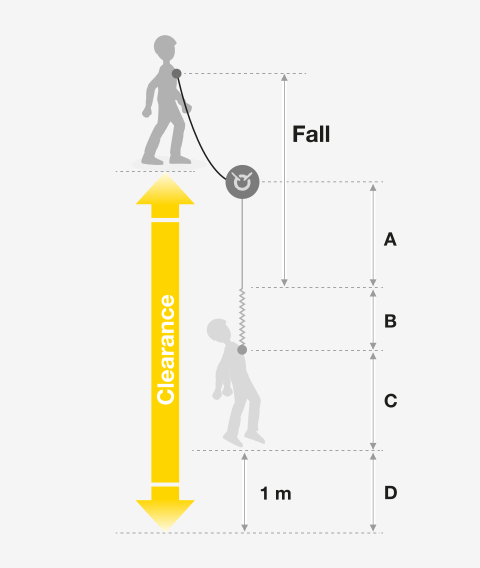
Work positioning and ASAP
Basic Techniques
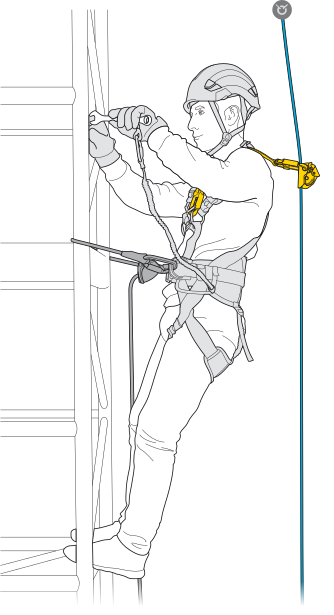
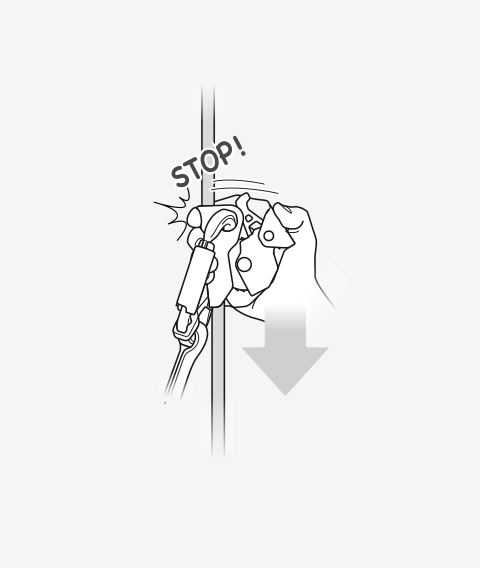
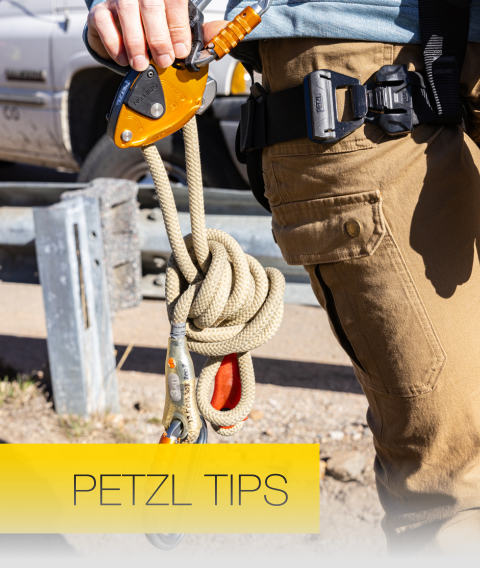
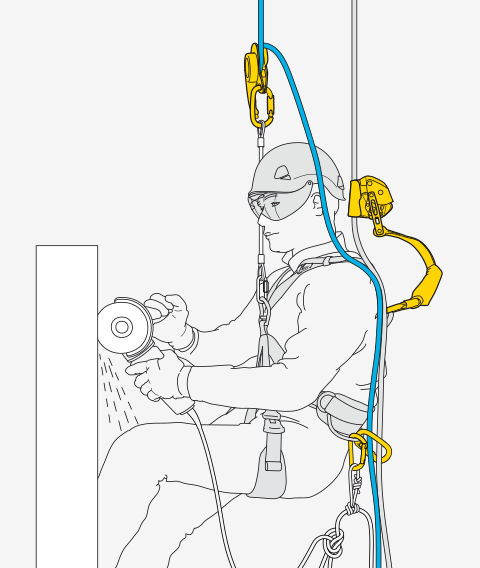
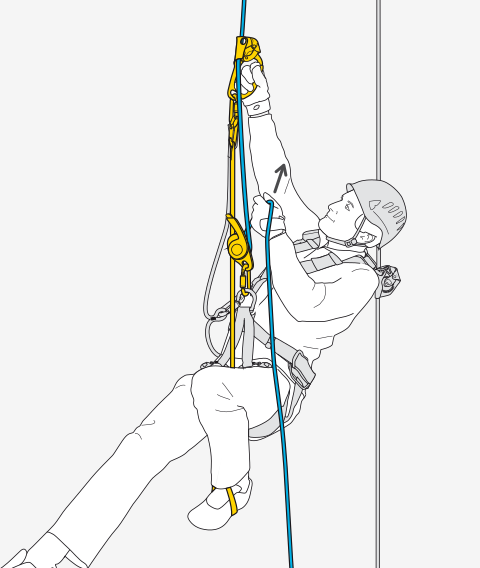
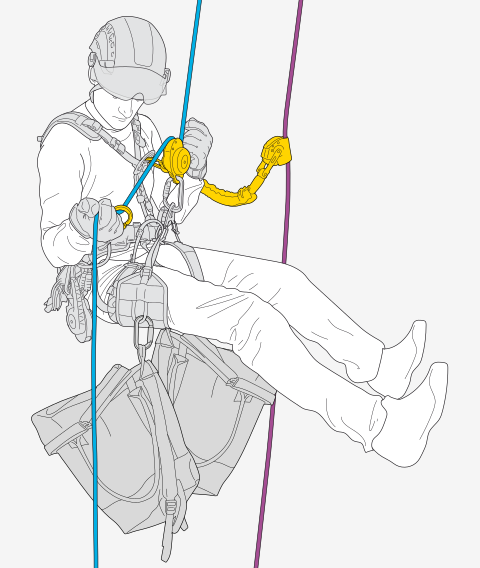
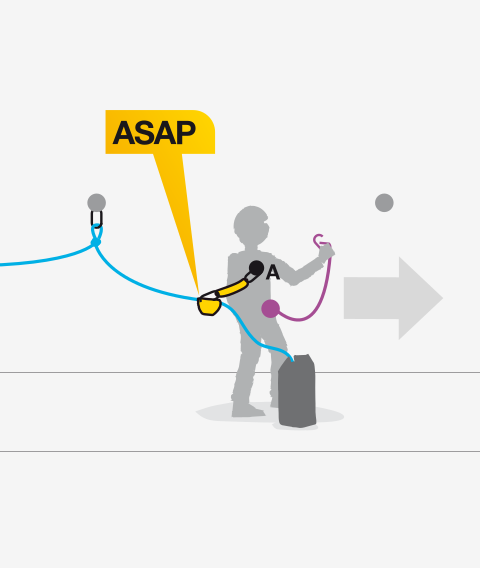
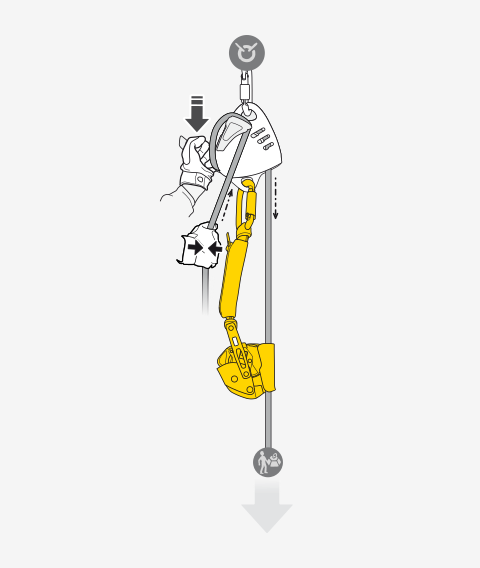
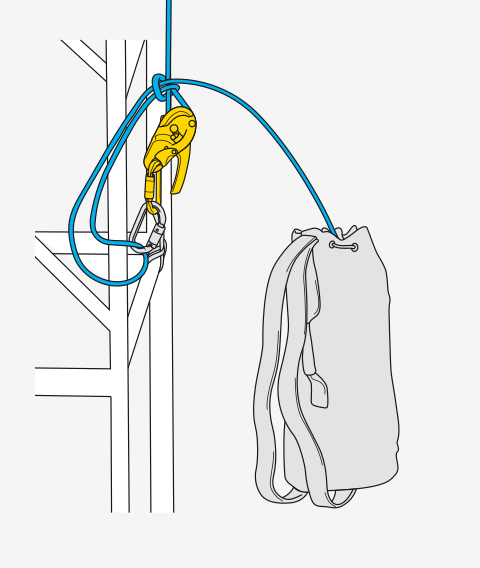
ASAP and ASAP LOCK are fall arrest devices, the worker must not use them for positioning at the workstation.
Warning
- Carefully read the Instructions for Use referenced in this Tech Tip before reading the Tech Tip itself. You must have read and understood the Instructions for Use to understand this supplementary information.
- Performing these techniques requires specific training. Work with a professional to confirm your ability to perform these techniques safely and independently before attempting them unsupervised.
- We provide examples of techniques related to your activity. Other techniques not described here may also exist.
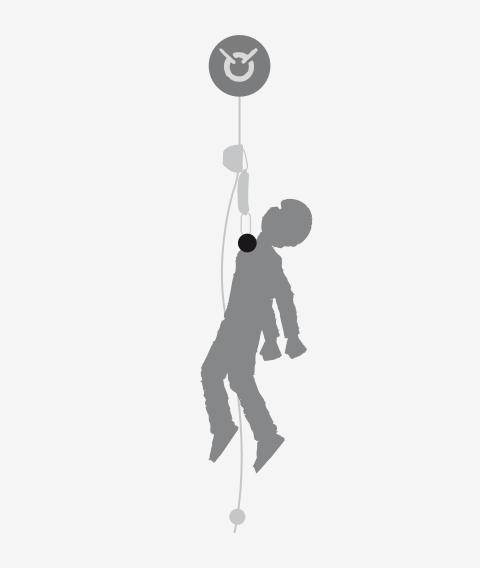
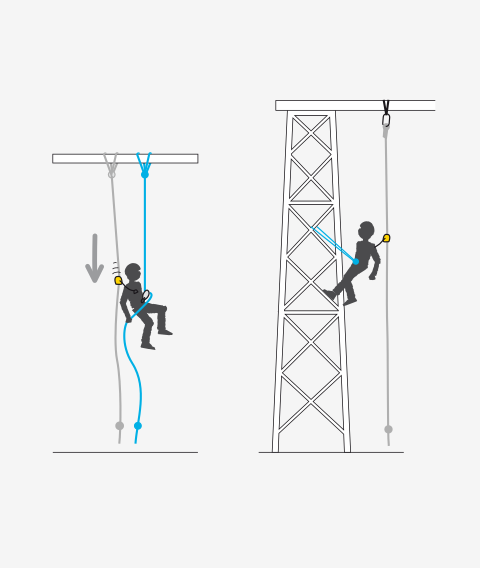
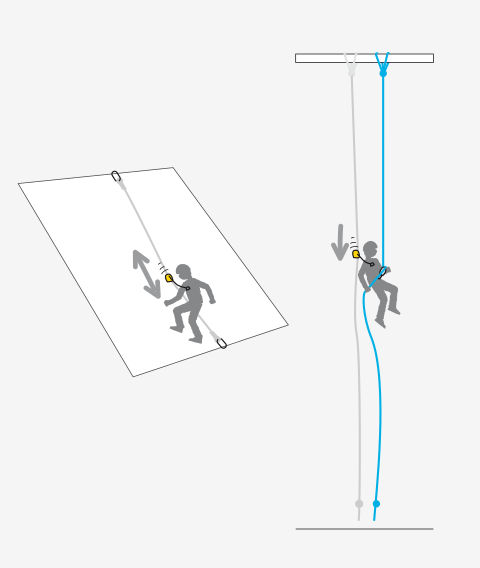
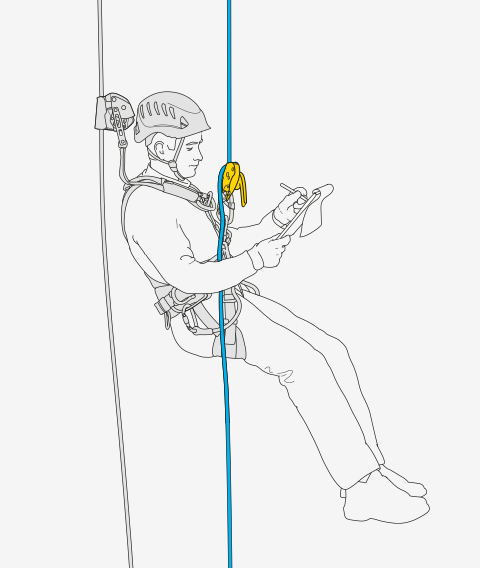
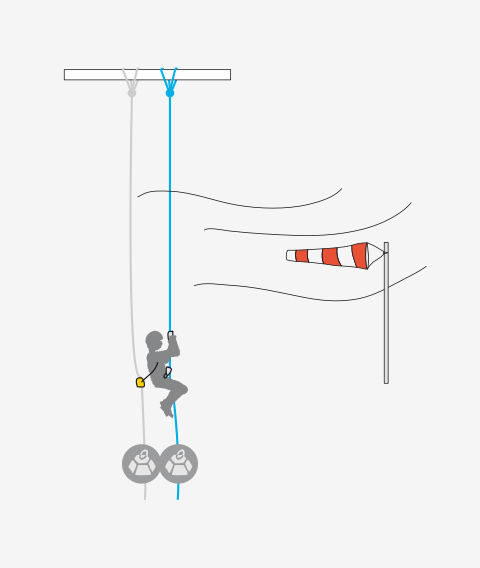
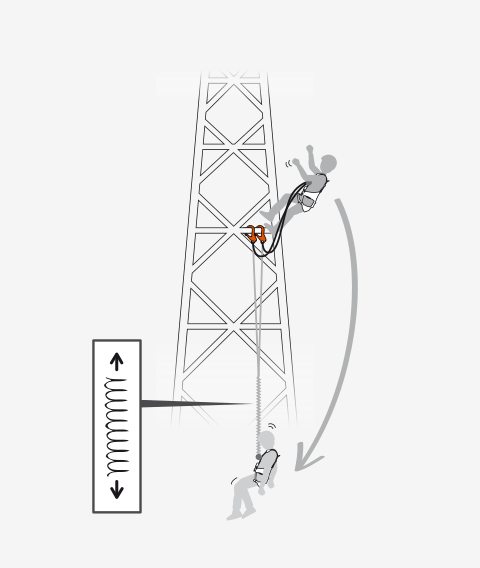
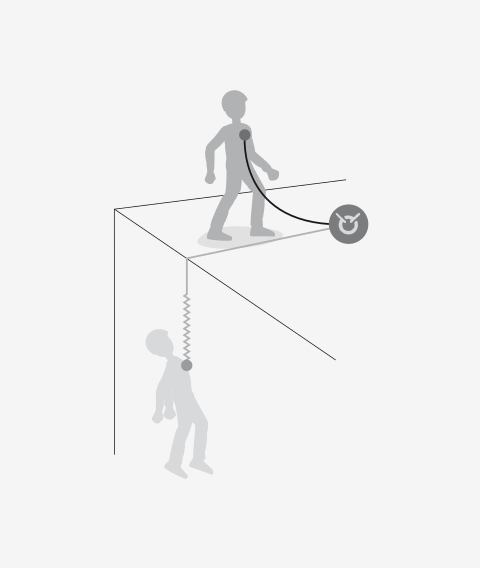
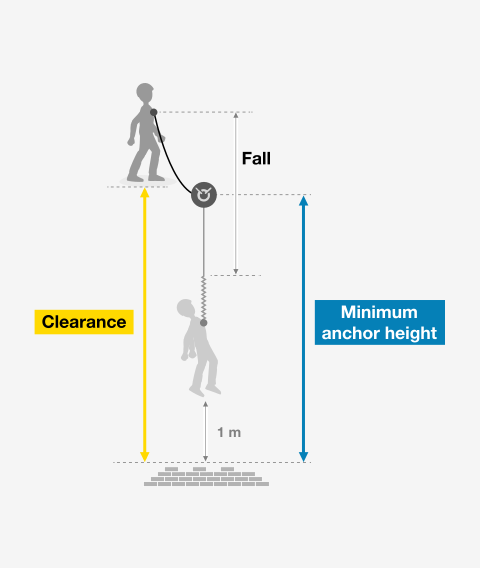
Regulations require that a worker at height be protected by a fall-arrest system. This system can be supplemented by various progression or positioning systems. The worker must not weight their fall-arrest system.
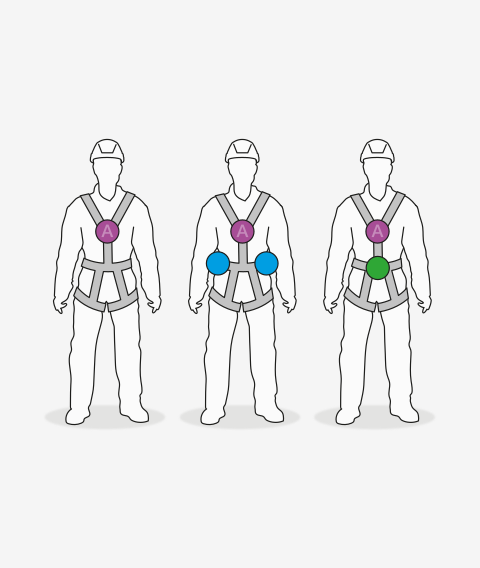
When the worker is in a stable work position, the use of a work positioning system is optional. The use of a fall-arrest system, attached to the dorsal or sternal point on the harness, is mandatory whenever the worker is exposed to the risk of a fall from height.
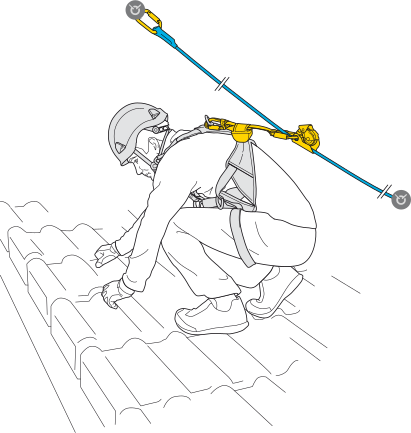
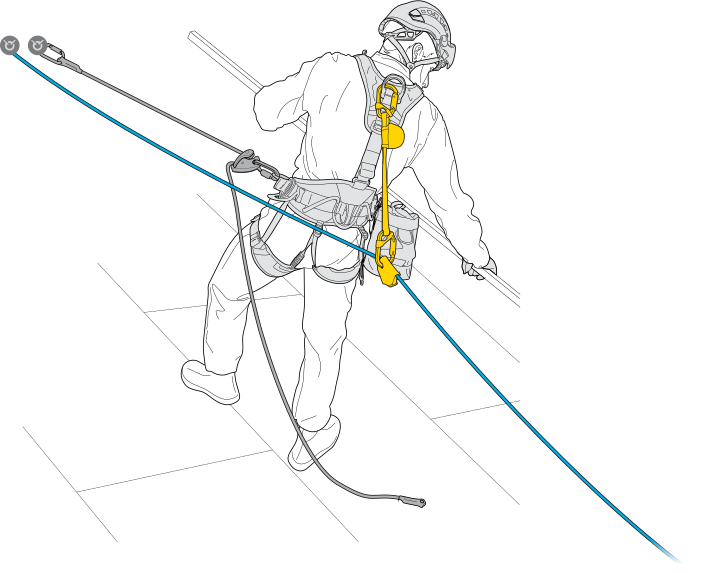
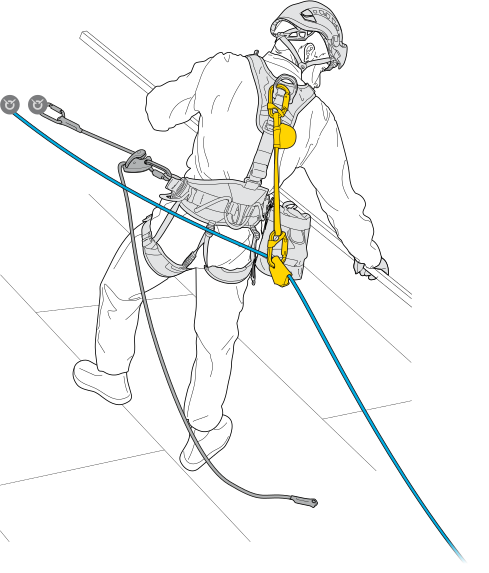
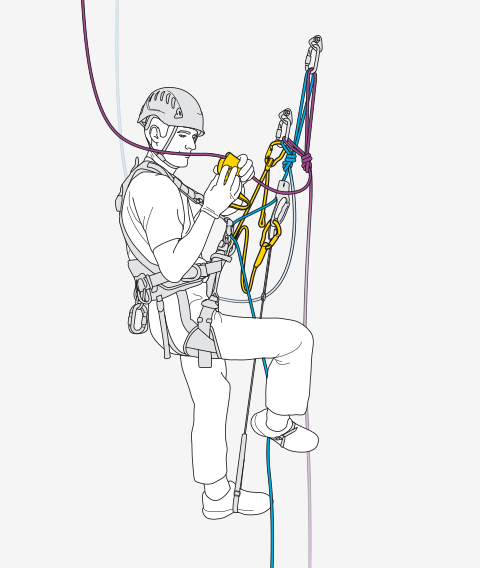
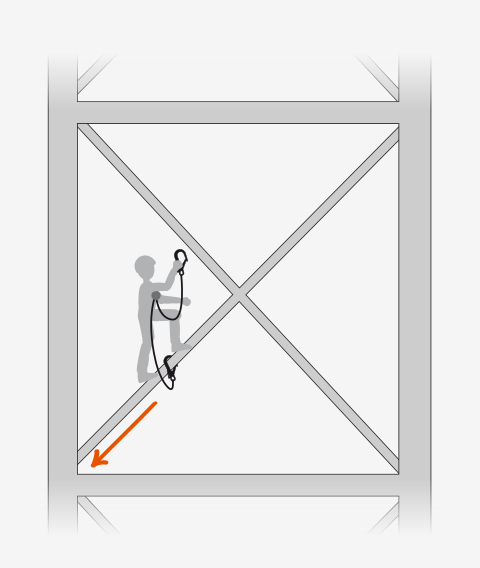
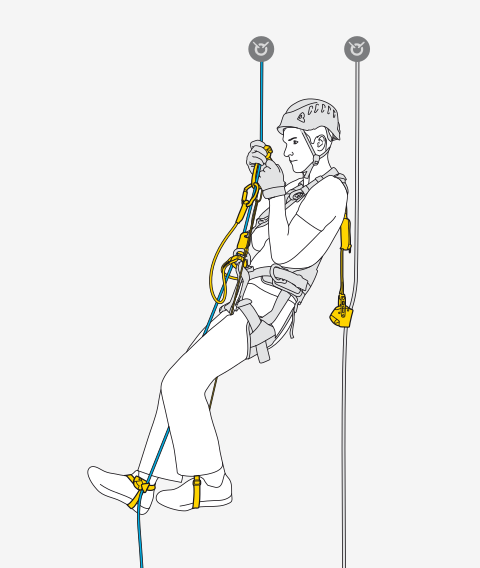
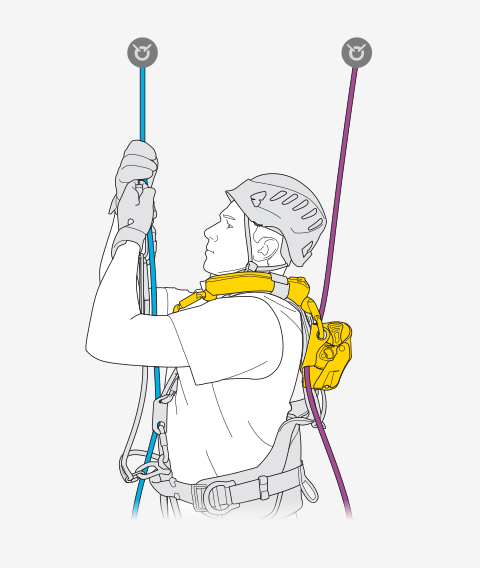
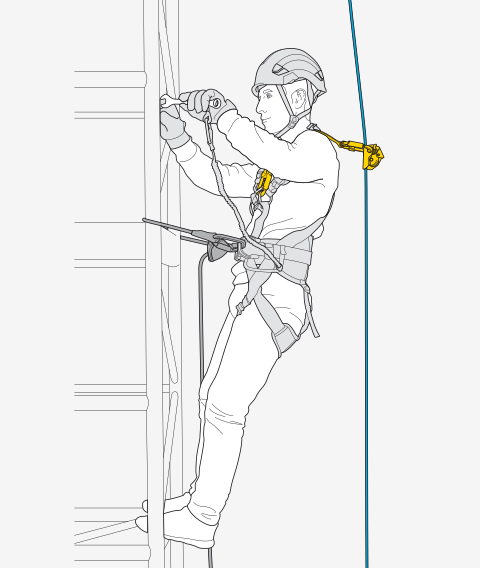
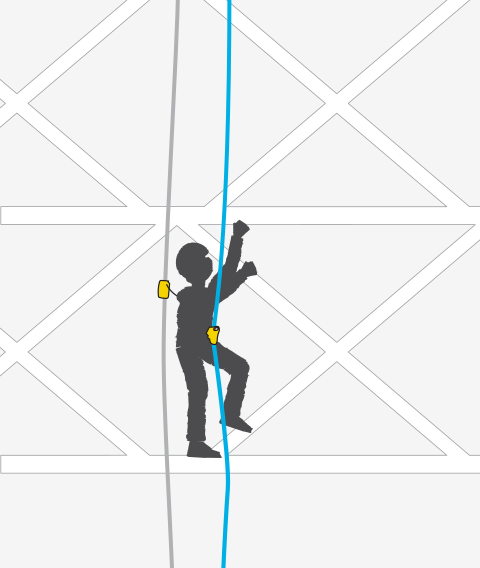
When the worker is not in a stable situation, they must use two differentiated systems:
- a fall-arrest system (ASAP or ASAP LOCK in our case, or ABSORBICA, connected to the dorsal or sternal point on the harness, or collective protection)
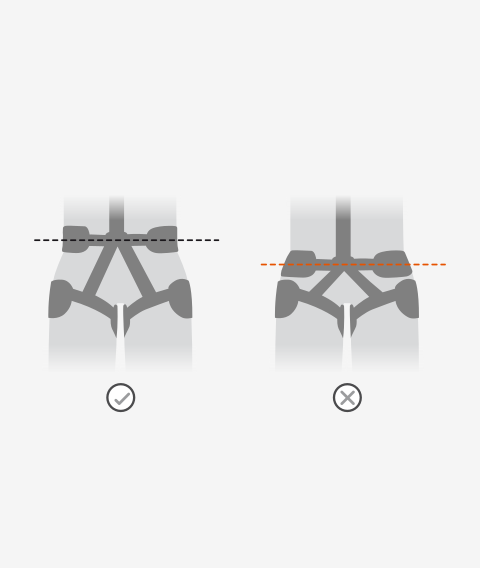
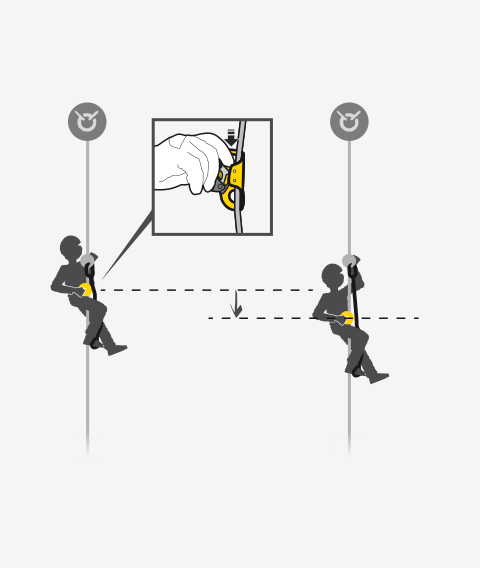
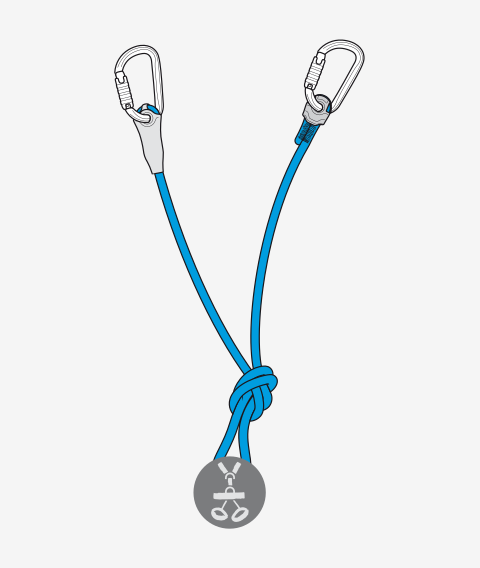
- a work positioning system, e.g. a GRILLON or PROGRESS ADJUST lanyard, attached to the ventral point or side attachment points of the harness.