Climbing: Stay in Shape This Winter
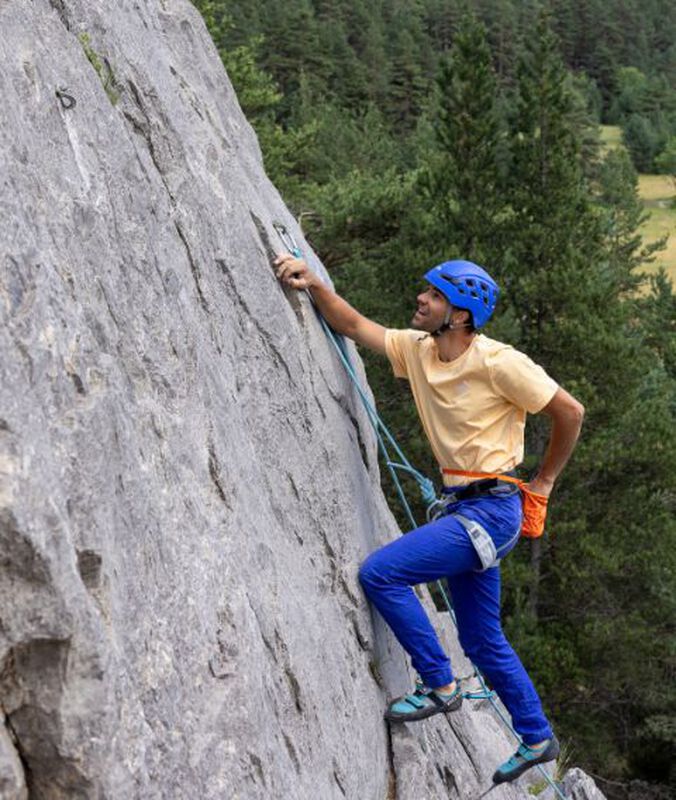
With colder temperatures and shorter days, getting outside regularly to climb in the winter can be challenging. But that doesn't mean your climbing performance has to suffer. By structuring your training and combining strength and conditioning, hangboard exercises, and indoor climbing sessions, you can come back stronger than ever in the spring.
Updated November 16, 2026
Month 1: Build a Solid Fitness Foundation
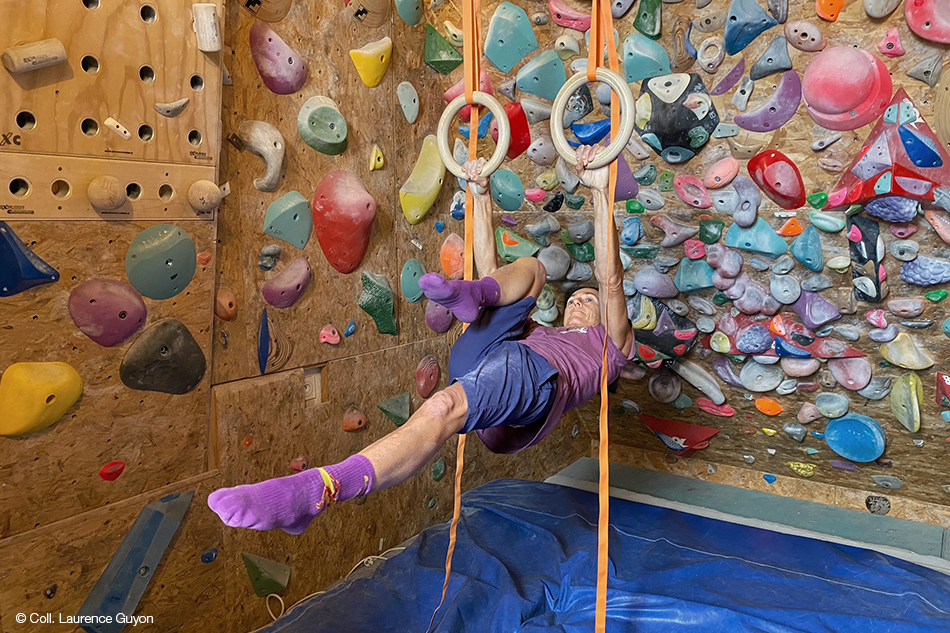
Le premier mois vise à renforcer le foncier. C’est la période idéale pour axer son effort sur de la préparation physique générale. Gainage, prévention des blessures, mais aussi gammes techniques seront au programme.
Example Weekly Training Plan:
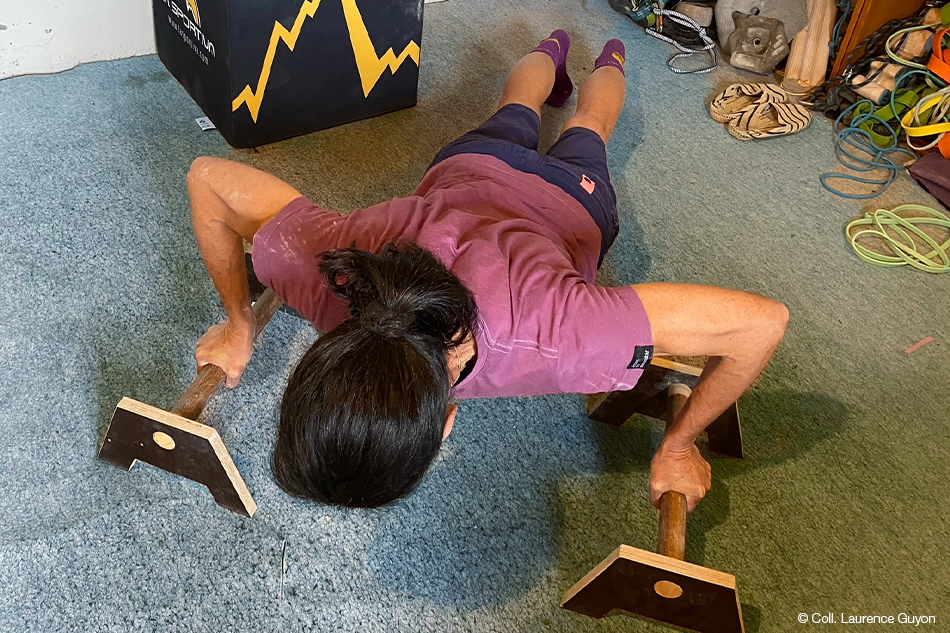
1 core or strength and conditioning session: Circuit training that alternates between core exercises (spider planks, standard planks, etc.), push-ups or dips, pull-ups, and more. Complete a circuit of 10 exercises (30 seconds of work followed by 30 seconds of rest).
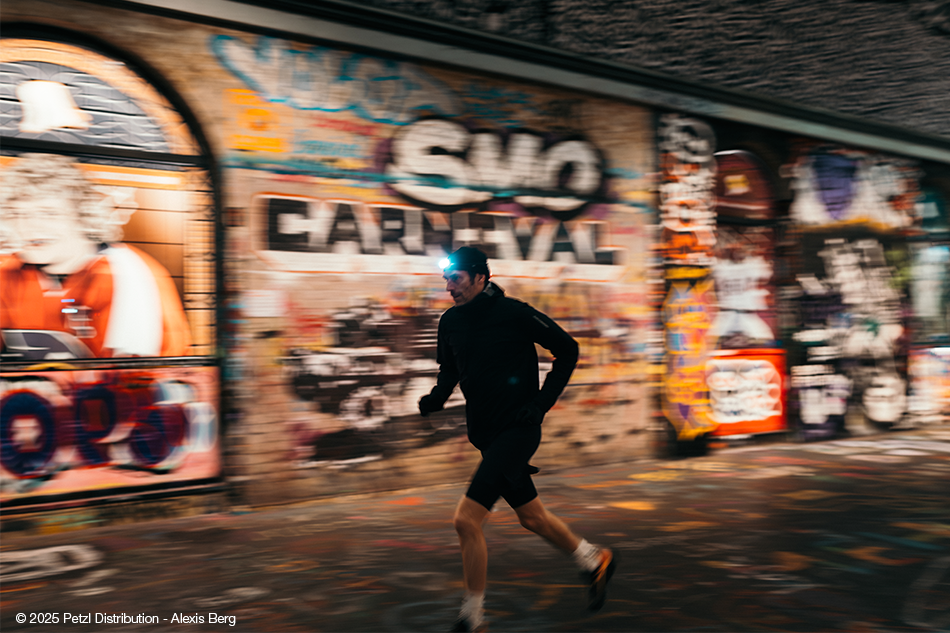
1 to 2 cardio sessions: Running, cycling, swimming, cross-country skiing, or ski touring — there are plenty of ways to maintain your cardiovascular fitness.
1 to 2 fun indoor climbing sessions: Focus on getting mileage on easier routes or boulder problems without pushing your limits. The goal is to improve your technique and endurance. During your warm-up, incorporate some injury-prevention exercises on the hangboard, keeping your feet on the ground: 15 repetitions of 10-second straight-arm hangs, followed by 30 seconds of rest.
Tip: Alternate between heavier training weeks (3 to 4 sessions) and lighter weeks to allow your body to adapt and avoid overtraining.
Month 2: Climbing-Specific Strength Training
The second month shifts toward more targeted training for your arms, core, and fingers. Now is the time to introduce climbing-specific training tools, such as a hangboard or campus board.
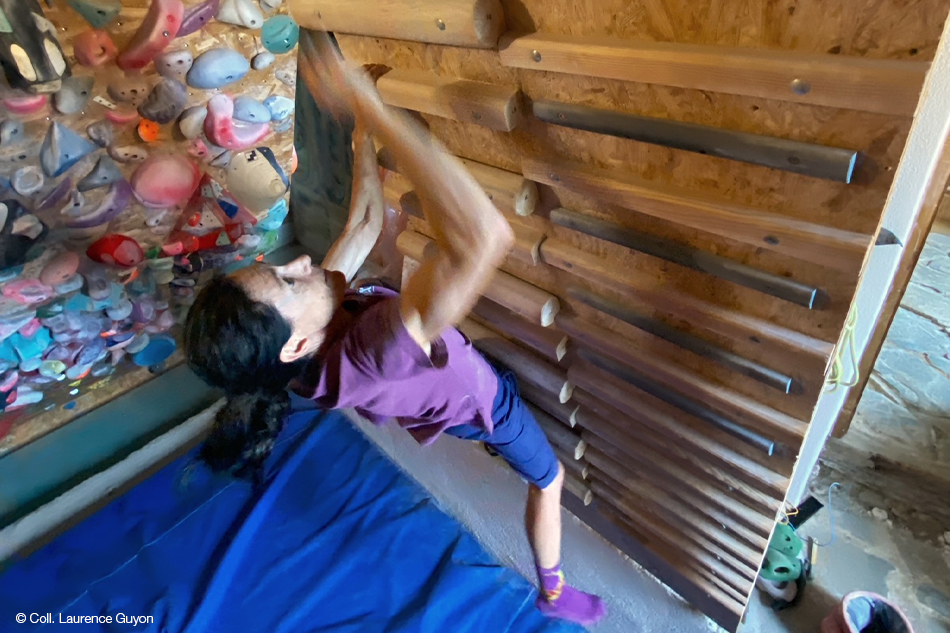
Example Weekly Training Plan:
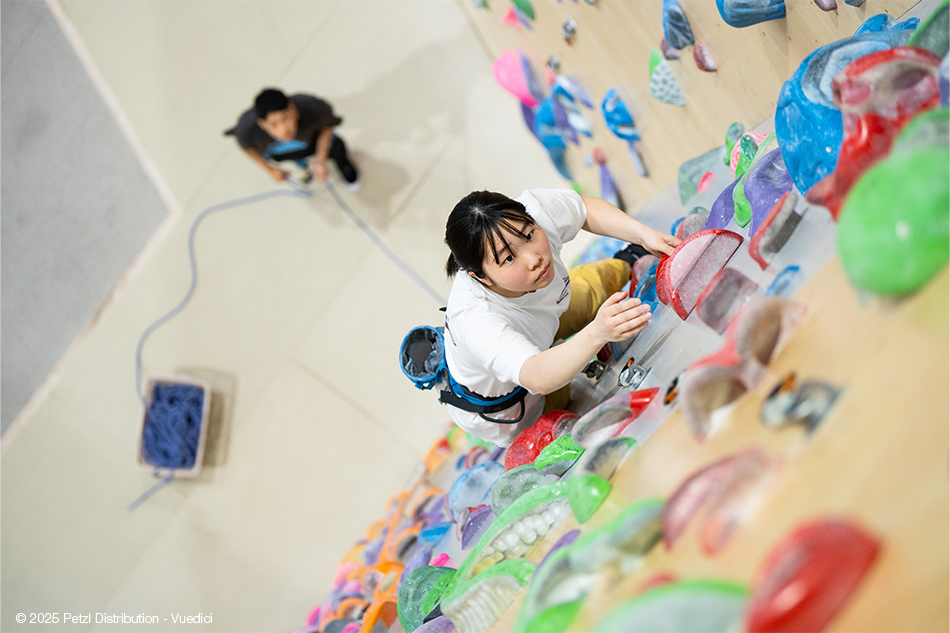
2 indoor climbing sessions: Gradually increase the intensity of your climbing. Practice on different wall angles (overhangs, slabs) and start attempting routes or boulder problems close to your max (onsight or with a few attempts).
1 hangboard endurance session: Complete 3 sets of 6 hangs (20 seconds hanging, followed by 10 seconds of rest). Rest for 5 minutes between each set of 6 hangs. Depending on your ability, you can perform these exercises at body weight, with added weight, or with resistance bands to reduce the load.
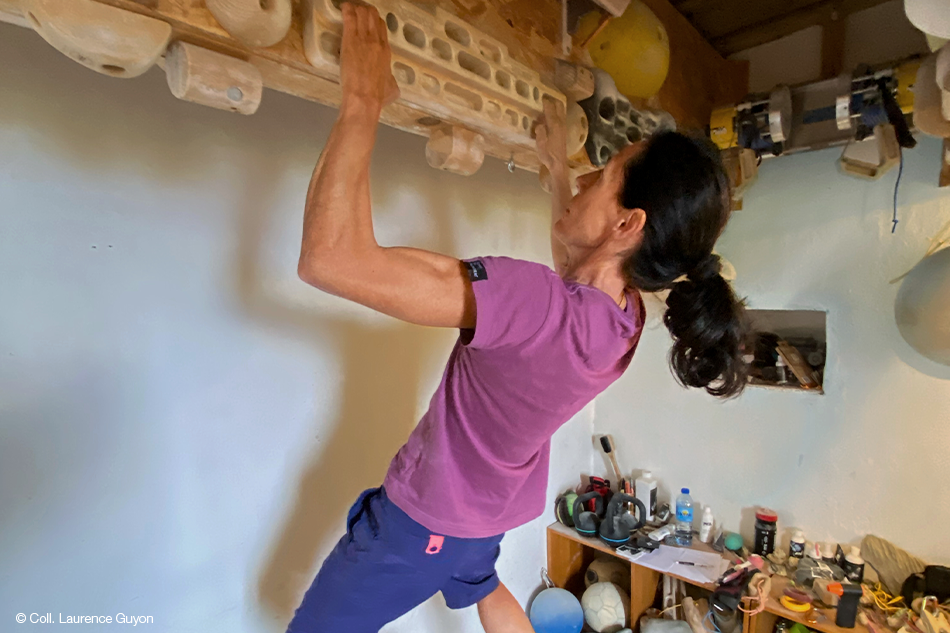
1 arm and core strengthening session: Complete a circuit of 8 exercises using a pull-up bar or TRX suspension trainer, alternating 20 seconds of work with 10 seconds of rest. Mix up the exercises with push-ups, pull-ups, knee raises, and more.
1 cardio session: Supplement your training with a cardio activity of your choice.
Month 3: Quality, Intensity, and Transfer to Performance
As warmer weather approaches, the focus shifts toward climbing-specific training. Reduce the volume of general conditioning and prioritize climbing quality, intensity, and explosive power.
Example Weekly Training Plan:
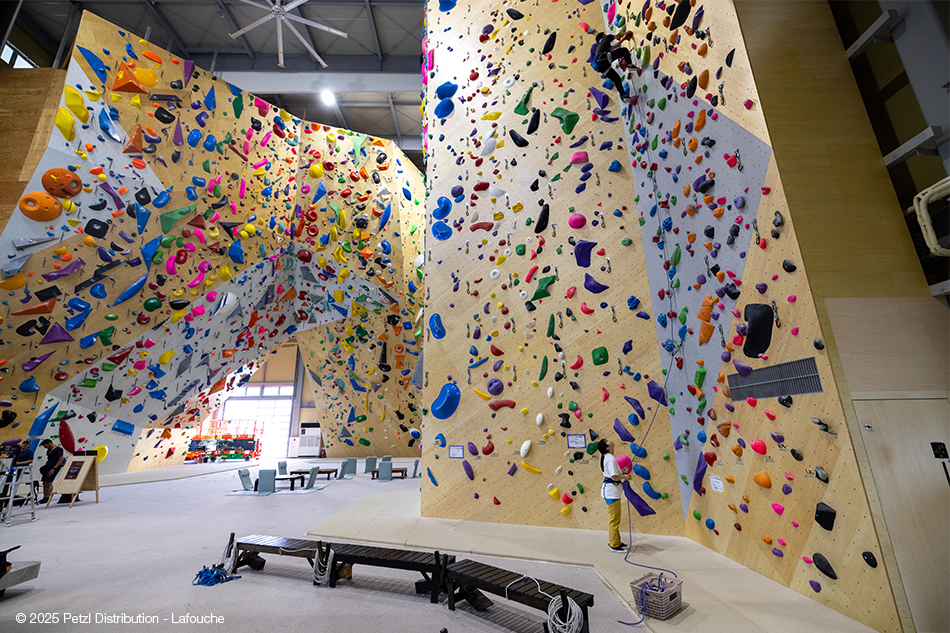
2 to 3 indoor climbing sessions:
Bouldering session: Focus on strength and explosive power.
Route climbing/power-endurance session: Work on a project or push your onsight limit, climbing at an intensity equal to or greater than your target outdoor grade.
Bouldering circuits: At the gym or on a training wall, such as a spray wall or Kilter Board, incorporate linked boulder problems into your training. For example, complete 2 sets of 3 consecutive 10-move boulder problems.
1 outdoor climbing session: Take advantage of any good weather window to get back on real rock!
Golden Rules for Winter Training
Listen to your body: Hangboard training places significant stress on your fingers. Increase the intensity gradually.
Don't skip your warm-up: Spend at least 20 minutes on joint mobility and muscle activation before getting on the hangboard or climbing holds.
Stay motivated: Mixing up your sessions with cardio, hangboard training, indoor climbing, and core exercises helps keep winter training interesting.
By Laurence Guyon – La Fabrique Verticale
Products Mentioned In This Article




Sport universe