Belaying with a rope as a complement to energy-absorbing lanyards
Basic Techniques
Warning
- Carefully read the Instructions for Use referenced in this Tech Tip before reading the Tech Tip itself. You must have read and understood the Instructions for Use to understand this supplementary information.
- Performing these techniques requires specific training. Work with a professional to confirm your ability to perform these techniques safely and independently before attempting them unsupervised.
- We provide examples of techniques related to your activity. Other techniques not described here may also exist.
Thanks to the consistent presence of solid equipment, the via ferrata allows more people to easily access vertical terrain.
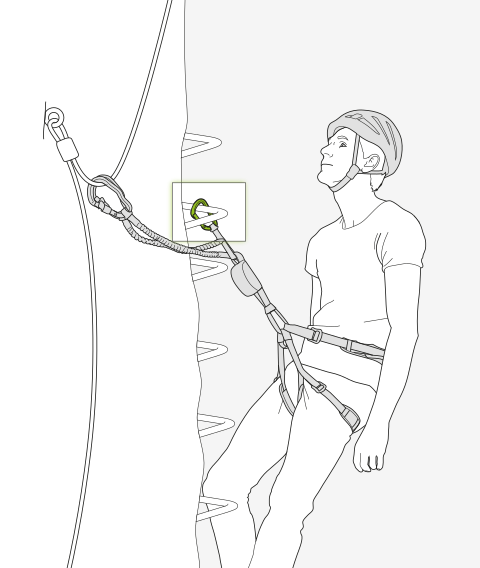
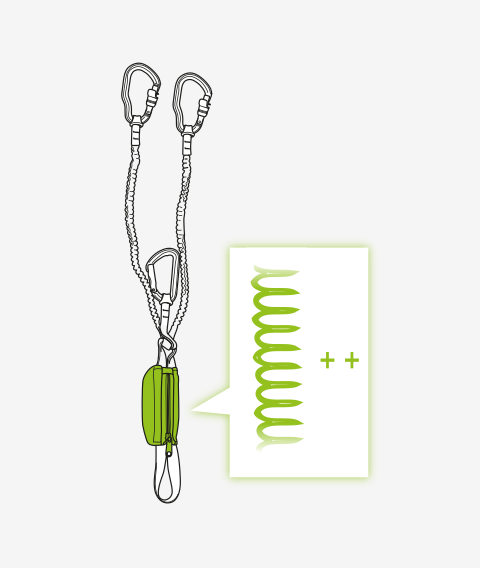
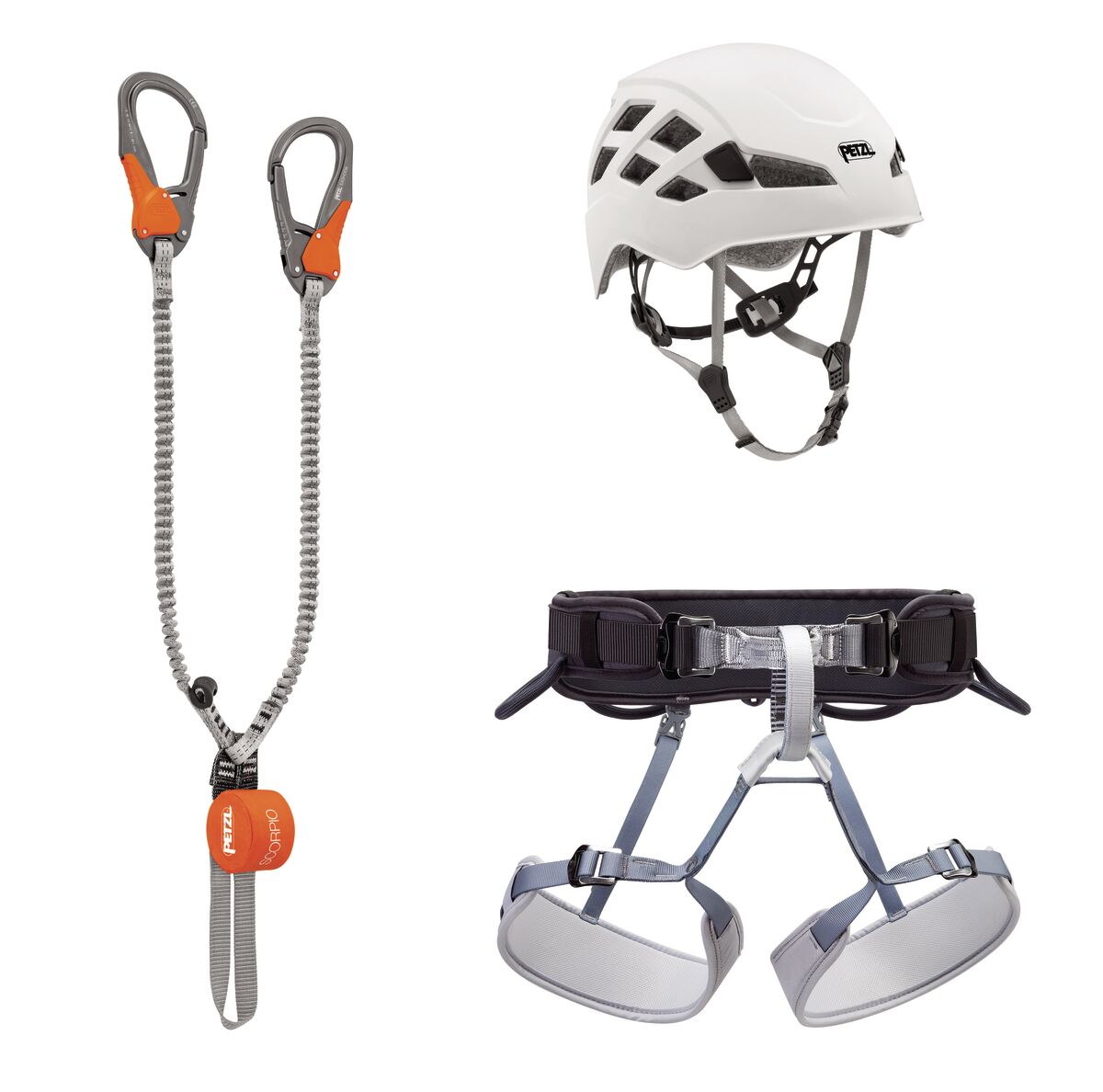
However, the risks present in vertical activities, and particularly the risk of falling, remain. The use of energy-absorbing lanyards allows fall arrest and limits impact force on the user.
The fall is made up of two phases:
• sliding along the cable, with the lanyard inactive
• the impact on the first anchor reached, activating the energy absorber
The fall has risks that the lanyard cannot prevent: the user can hit a bar, the rock, or other users.
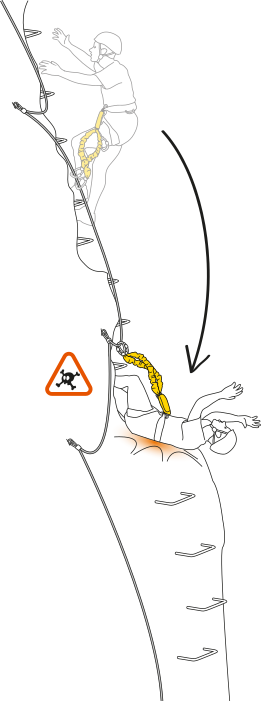
Obstacle hit before the energy absorber is engaged
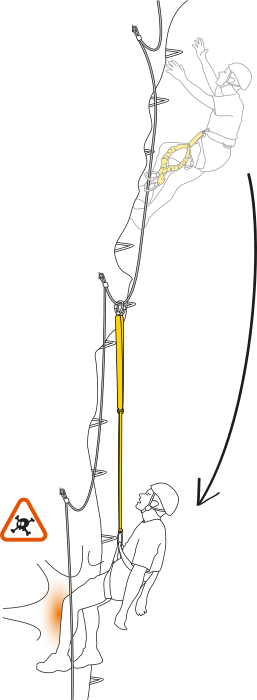
Obstacle hit after the energy absorber is engaged
Using a rope
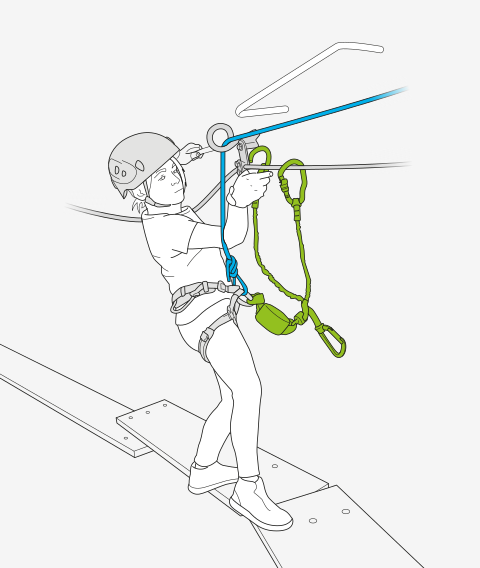
Using a rope along with energy absorbers limits the length of the fall and its potential consequences.
Using a rope is strongly recommended in the following situations:
- difficult passages with elevated risk of falling
- situations where the user risks hitting an obstacle before the fall is arrested by the energy absorber
Using a rope is required in the following situations:
- progression with children or climbers weighing under 40 kg or over 120 kg
- old or poorly installed equipment in place (cable overly taut or anchors more than 3 m apart)
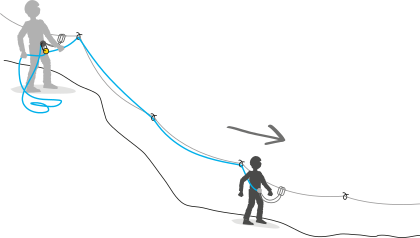
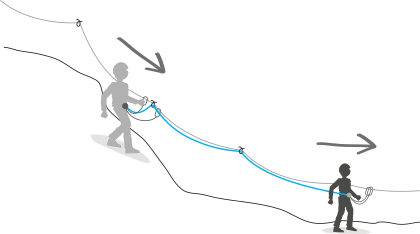
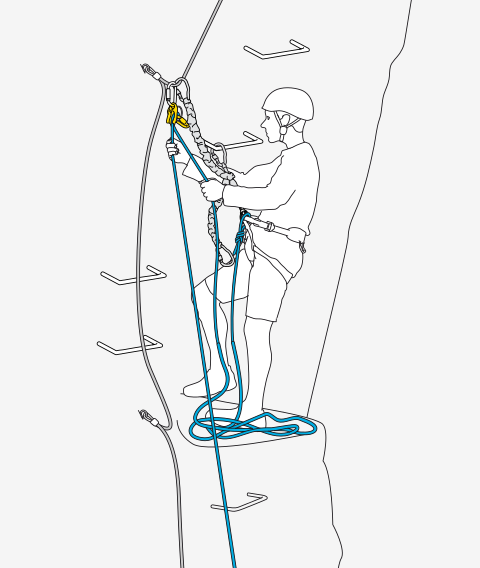
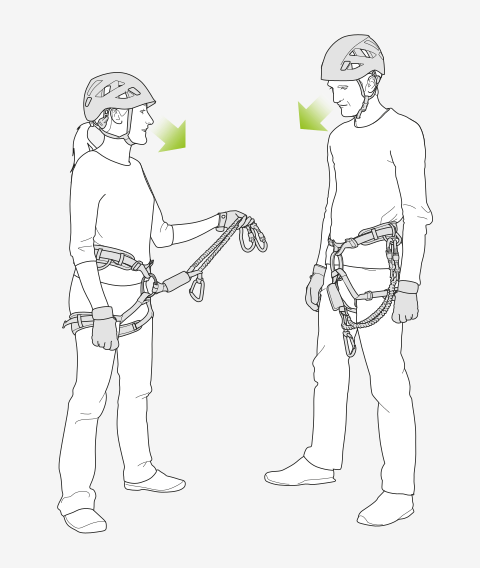
To use a rope, the group must get organized the same as for climbing, with a leader who knows how to manage belaying the seconds. Belaying while moving is an option reserved for less steep and/or easier sections. Belaying from intermediate anchors is recommended for all tricky sections.
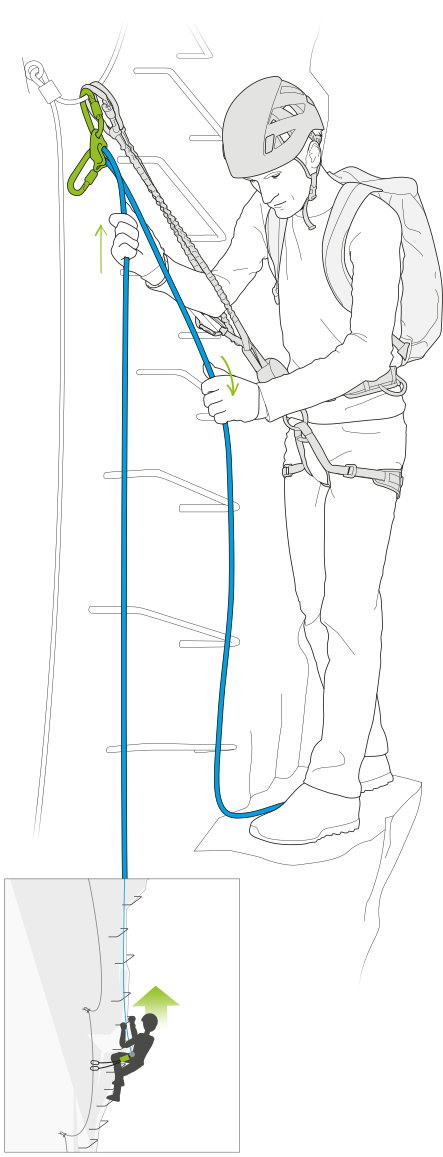
Simultaneous progression when traversing
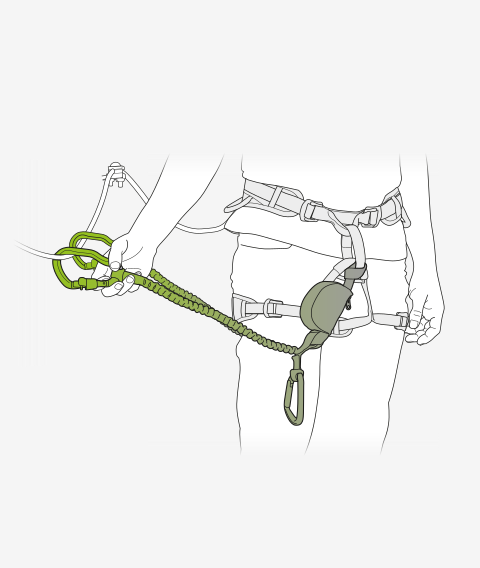
The rope is passed through the pigtails while progressing. The two team members must always have at least one pigtail active between them. Lanyards are essential for limiting the risk of a pendulum in the event of a fall.
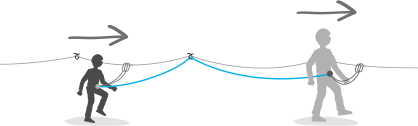
Alternating progression when descending
The beginner must always be below the leader and so goes first when descending.