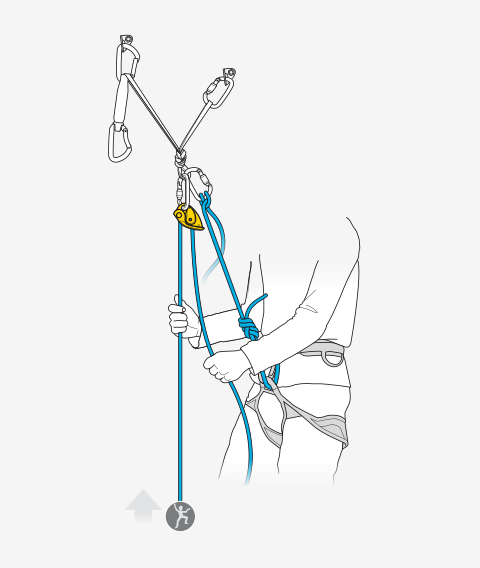
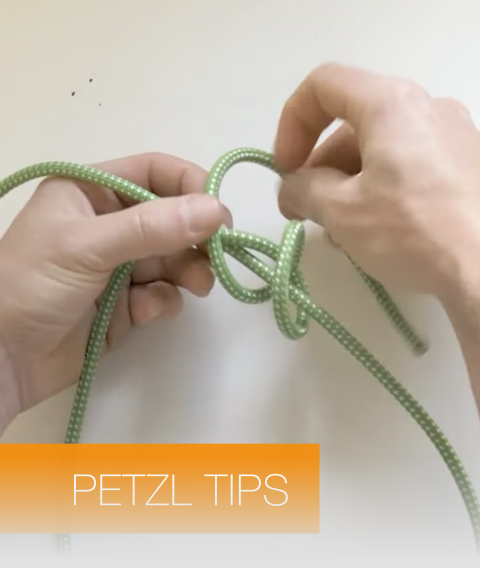
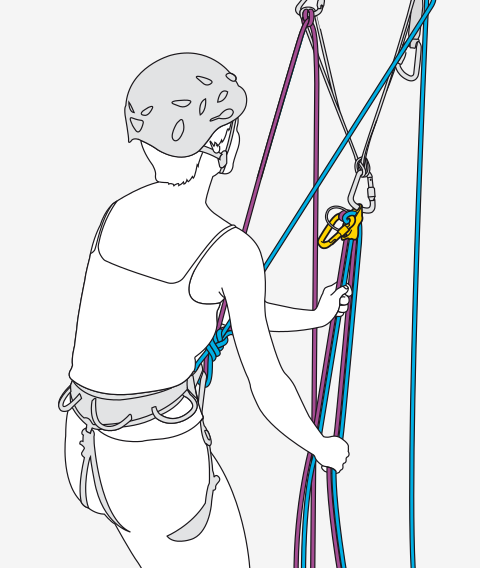
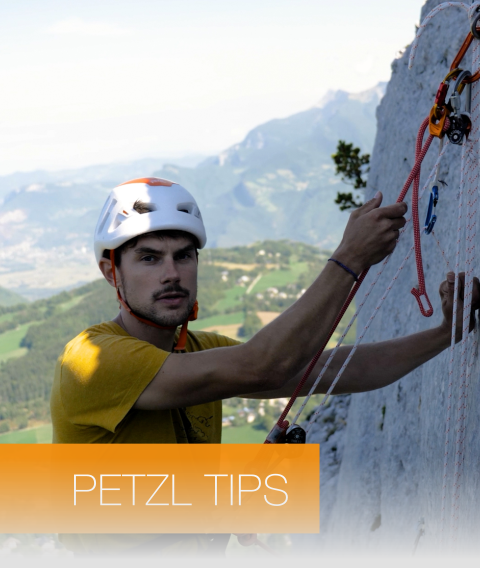
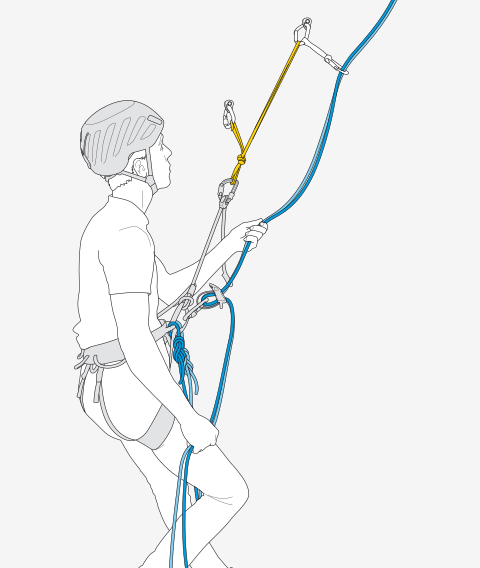
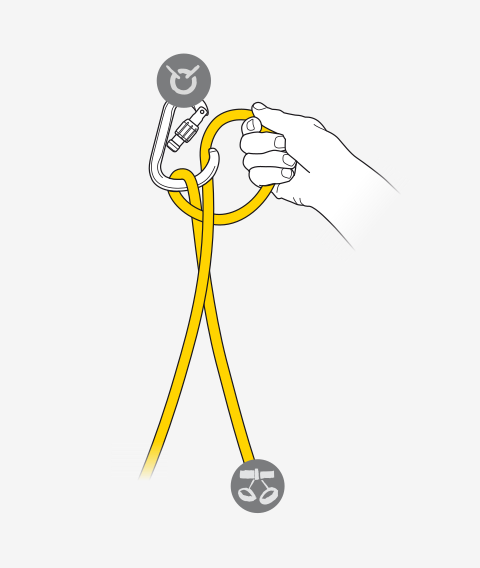
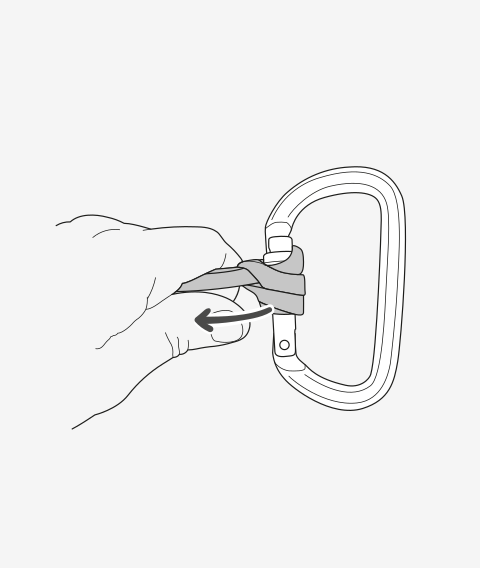
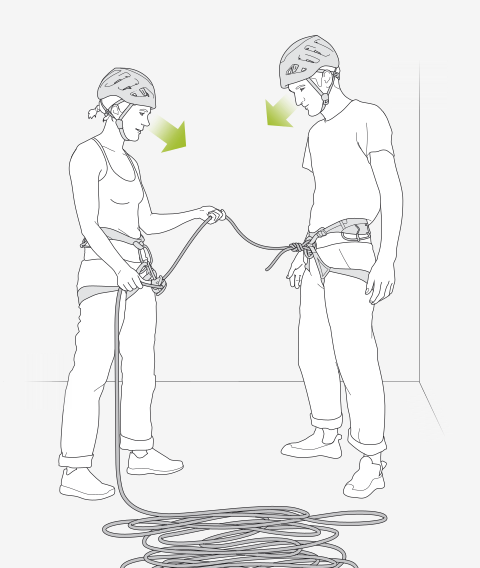
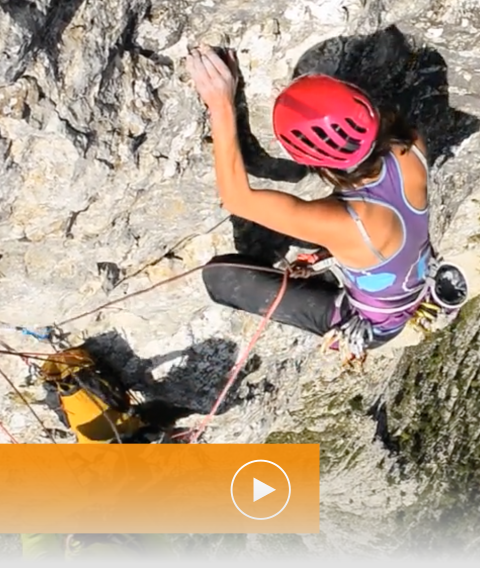
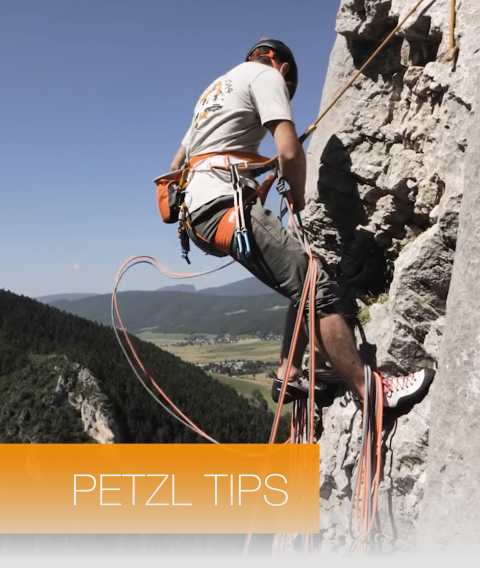
Belaying multi-pitch routes on single rope with a GRIGRI.
Basic Techniques
When climbing a difficult pitch, a single rope is more convenient and straightforward for the climber. For the belayer, using a GRIGRI is also more convenient if the leader needs to work certain sections.
Warning
- Carefully read the Instructions for Use referenced in this Tech Tip before reading the Tech Tip itself. You must have read and understood the Instructions for Use to understand this supplementary information.
- Performing these techniques requires specific training. Work with a professional to confirm your ability to perform these techniques safely and independently before attempting them unsupervised.
- We provide examples of techniques related to your activity. Other techniques not described here may also exist.
While climbing
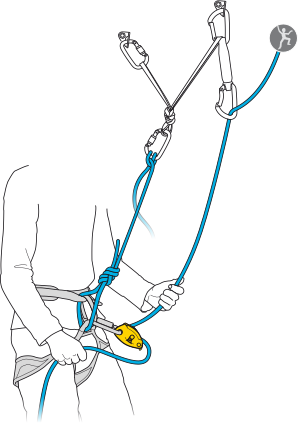
1. Belaying the leader dynamically
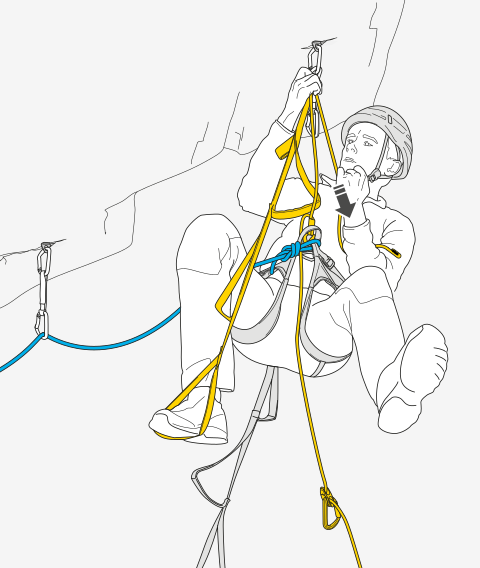
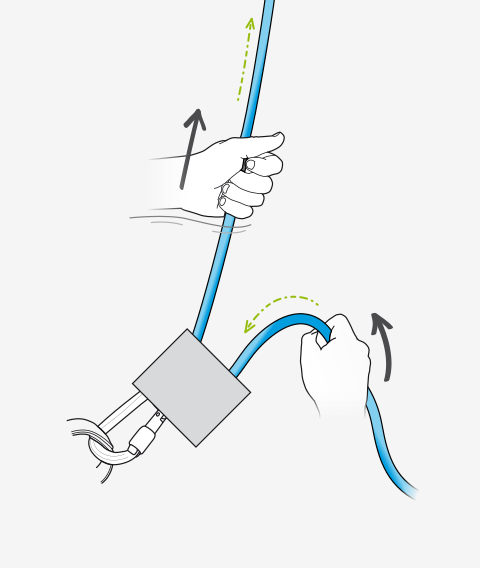
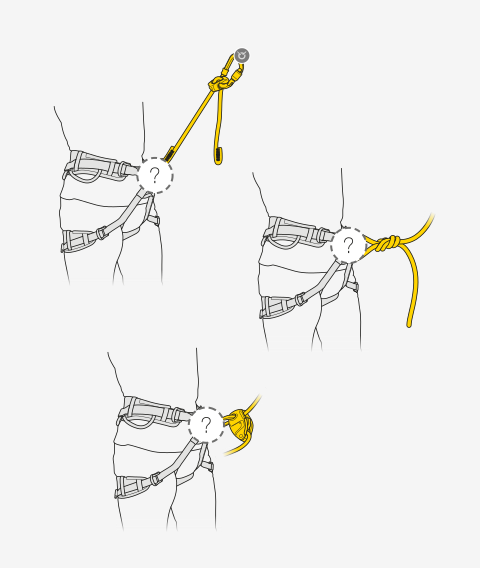
With the GRIGRI, the movement of the belayer enables dynamic belaying. On a multi-pitch route, this movement is limited by the risk of hitting the belay station. A long tether gives the belayer room to move.
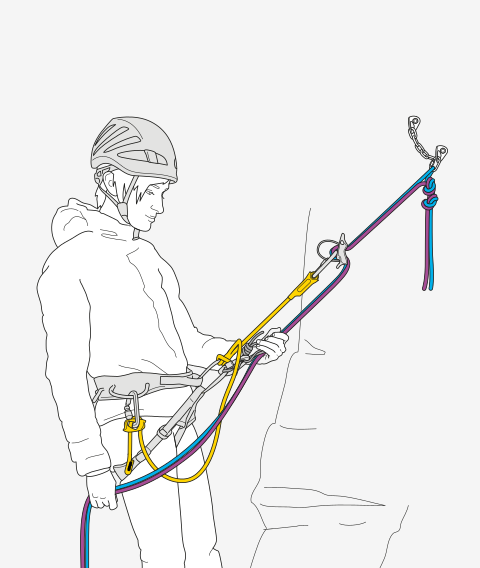
2. Belaying the second
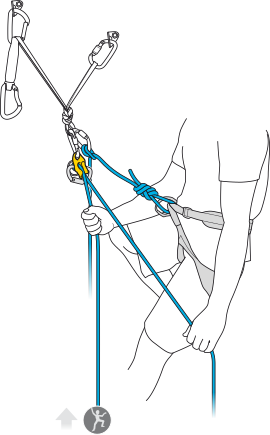
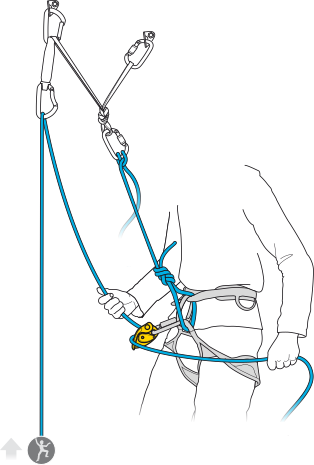
With a REVERSO:
The leader can climb light with a REVERSO, which is convenient for belaying the second.
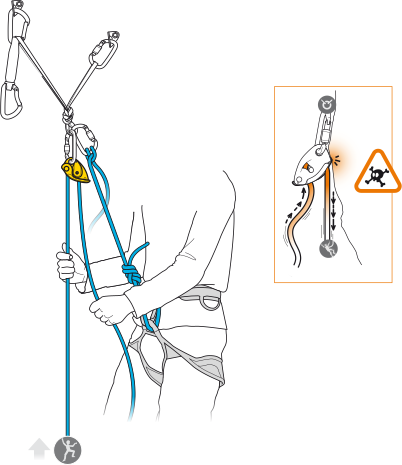
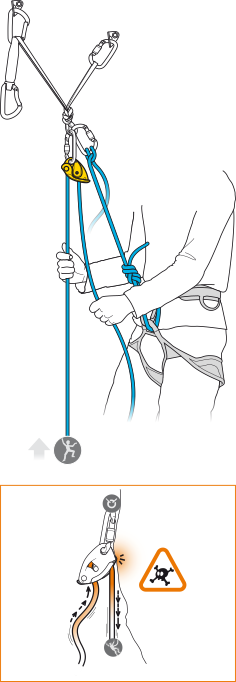
With a GRIGRI:
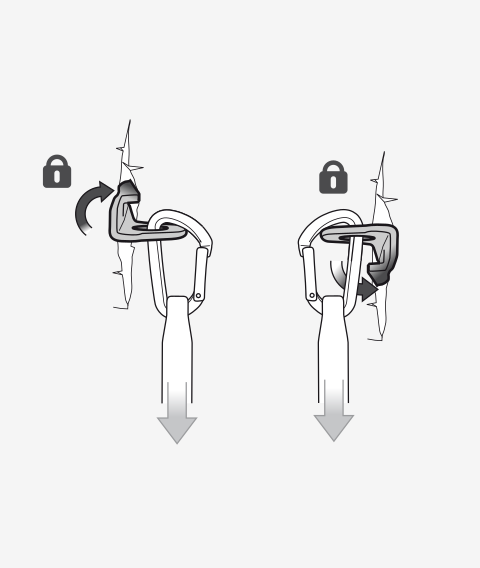
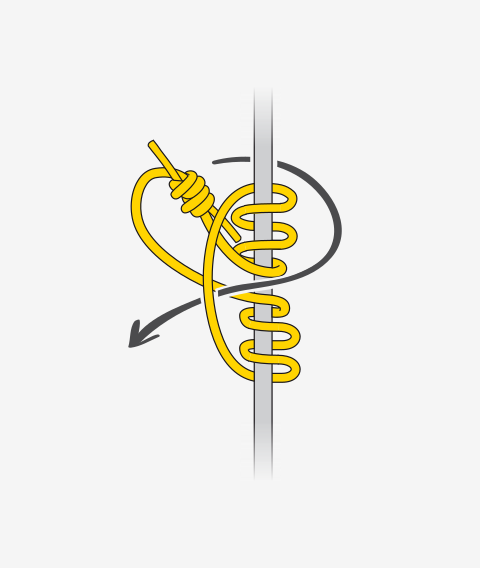
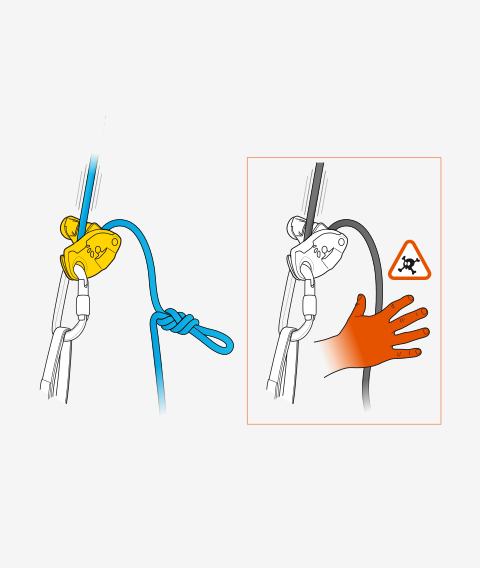
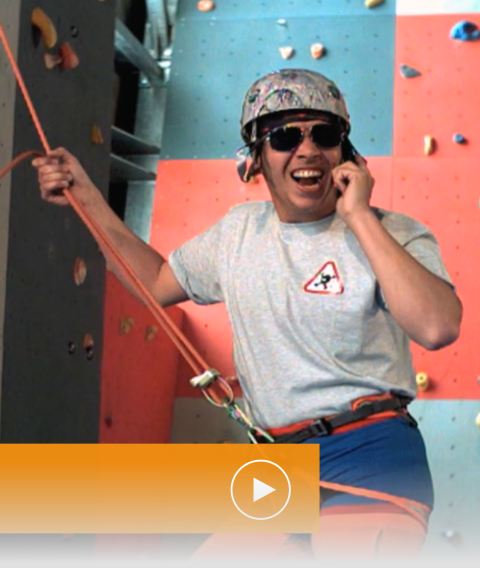
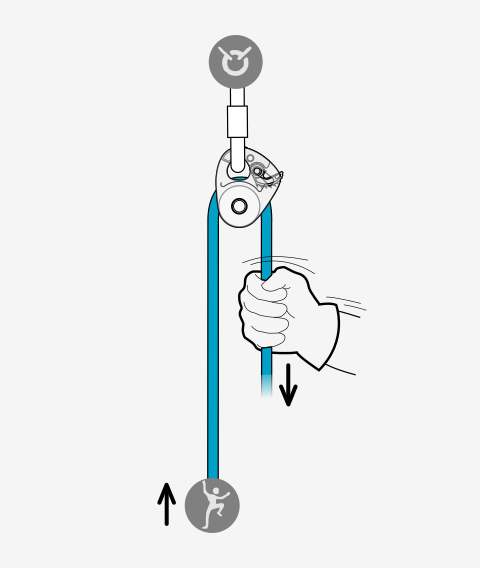
Pay attention to the position of the GRIGRI: any blockage of the device or its cam will negate the braking action on the rope. To do this, see the technical advice on belaying a second with the GRIGRI.
Or

Advantages and disadvantages of single rope for multi-pitch climbing, compared to half ropes. Am i making the right choice?
Advantages
- Allows the use of a GRIGRI (convenient belaying, ease of stopping and securing a fall).
- Easier rope management at the belay station.
Risks
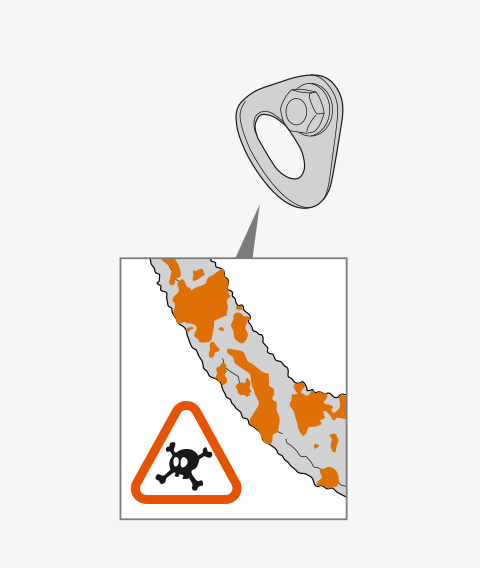
- No redundancy if there is a risk of the rope getting cut (broken terrain, fall on an edge...).
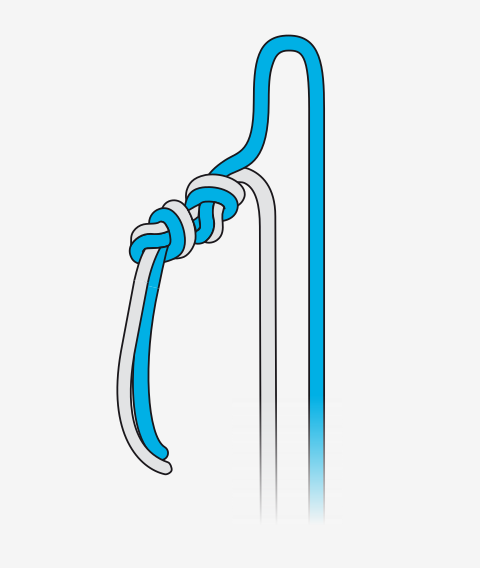
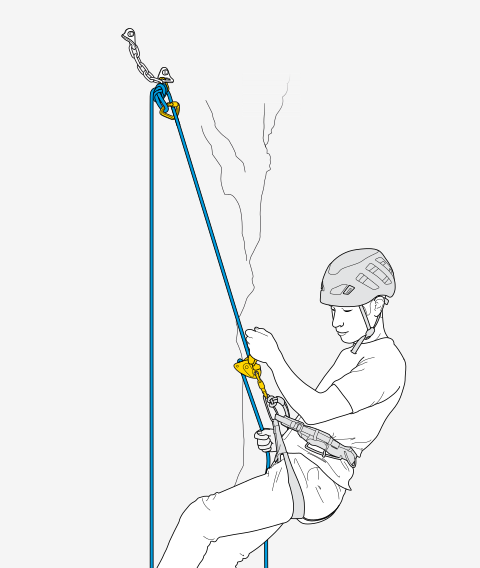
- Rappelling or retreating is more complex.
All these points must be taken into account to enable the rope team to select the right equipment for the planned route. The use of single rope on multi-pitch routes should be reserved for experienced climbers looking to work difficult pitches.