Classification of ATEX zones
Product Information and Specifications
ATEX zones are classified according to two parameters: - the types of combustibles that may be encountered (dust or gas) - the frequency or duration during which an explosive atmosphere is likely to occur.
Warning
- Carefully read the Instructions for Use referenced in this Tech Tip before reading the Tech Tip itself. You must have read and understood the Instructions for Use to understand this supplementary information.
- Performing these techniques requires specific training. Work with a professional to confirm your ability to perform these techniques safely and independently before attempting them unsupervised.
- We provide examples of techniques related to your activity. Other techniques not described here may also exist.
Classification of ATEX zones
| Explosive atmosphere | Gas type combustible substance | Dust type combustible |
|---|---|---|
| Present permanently or for long periods (more than 1000 h per year) |
ZONE 0 | ZONE 20 |
| Present occasionally (more than 10 h and less than 1000 h per year) |
ZONE 1 | ZONE 21 |
| Present accidentally (less than 10 h per year) |
ZONE 2 | ZONE 22 |
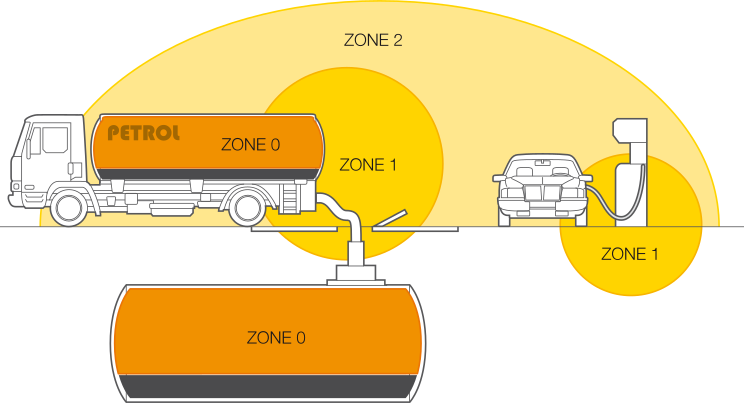
ATEX zoning example:
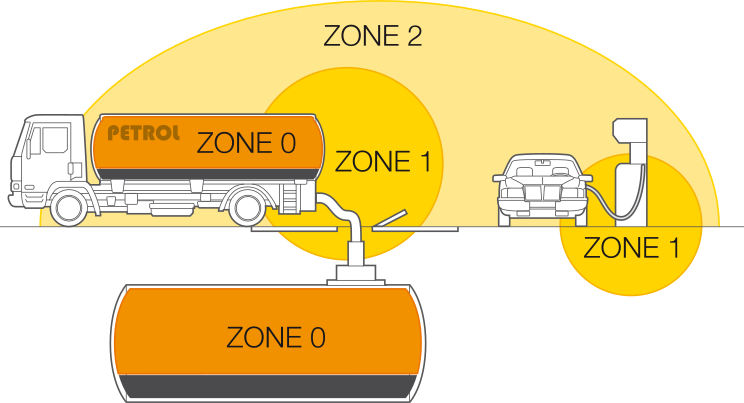
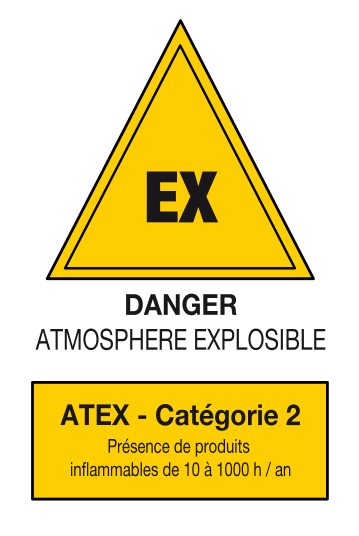
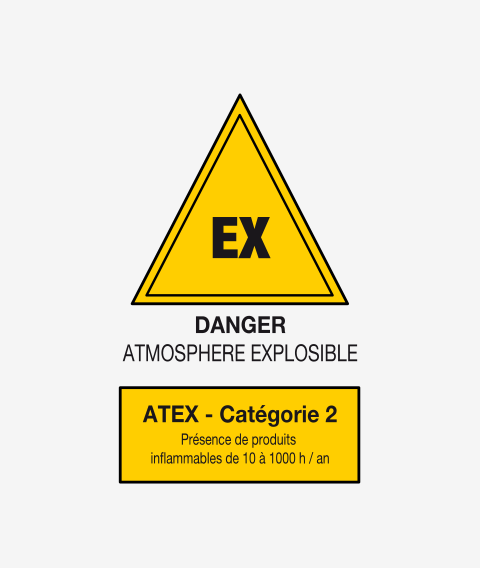
The zones must be marked with clear and visible warning signs: