Installing Ropes
Basic Techniques
Warning
- Carefully read the Instructions for Use referenced in this Tech Tip before reading the Tech Tip itself. You must have read and understood the Instructions for Use to understand this supplementary information.
- Performing these techniques requires specific training. Work with a professional to confirm your ability to perform these techniques safely and independently before attempting them unsupervised.
- We provide examples of techniques related to your activity. Other techniques not described here may also exist.
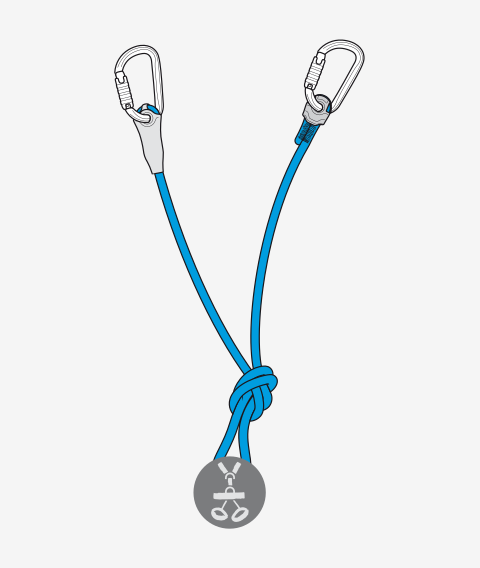
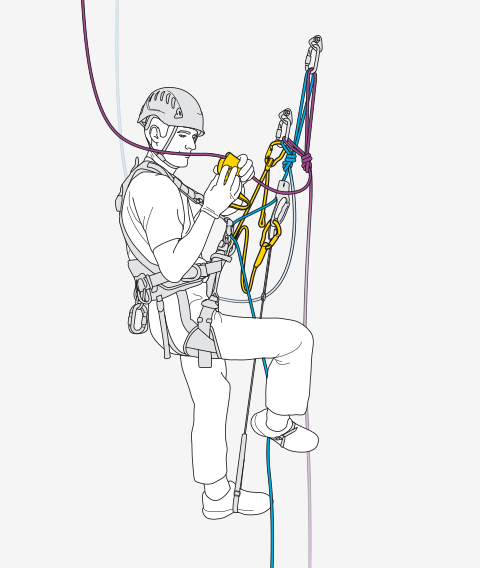
Load-sharing anchors with the rope

Bunny knot (for load-sharing anchors)
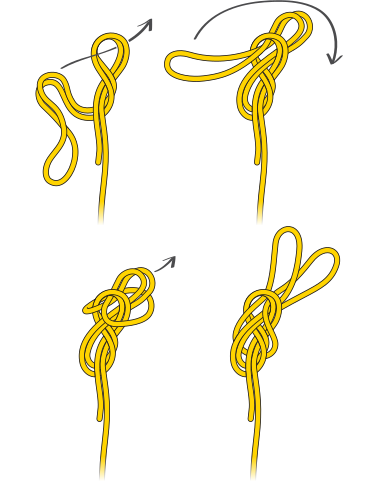
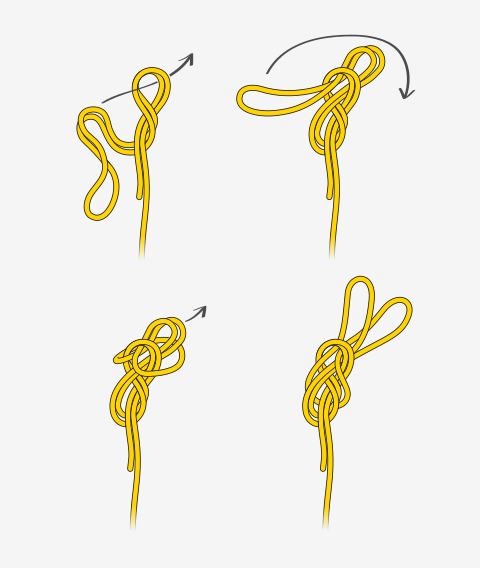
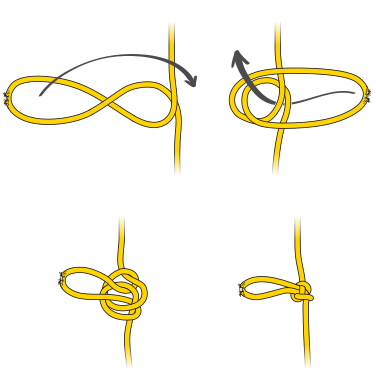
Special case: isolate a section of damaged rope with a butterfly knot
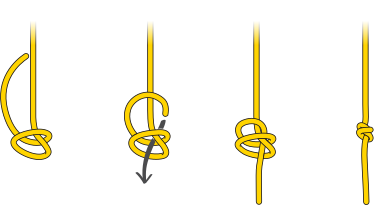
Stopper knot
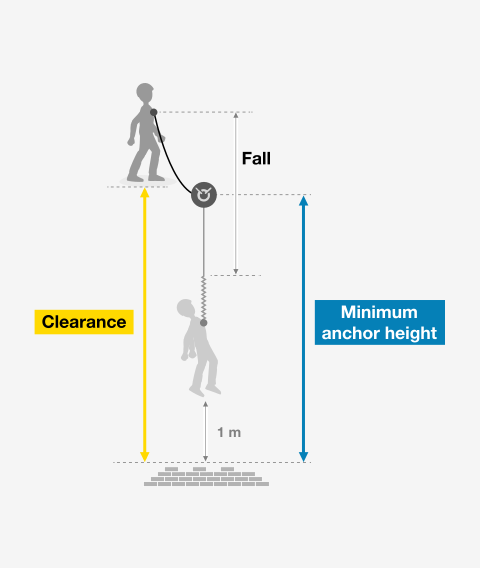
Fixed anchor

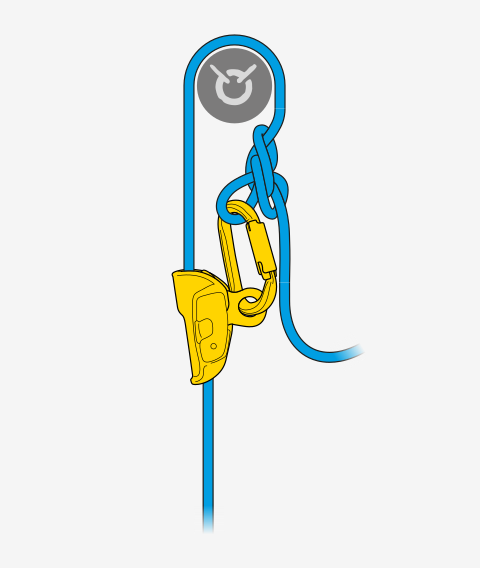
Releasable anchor
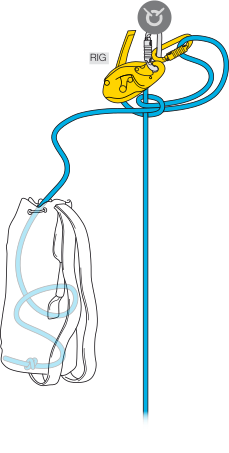
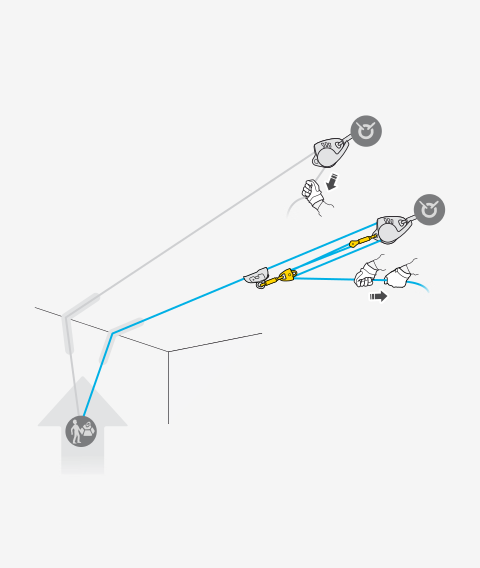
Protecting the Rope
On an angle
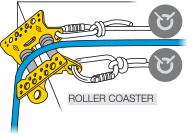
On a flat/hard surface
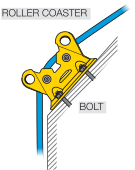
On a soft surface
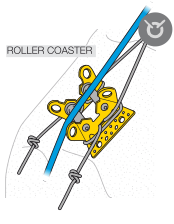
Permanent anchors
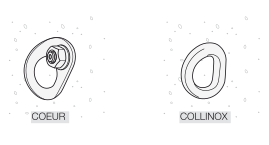
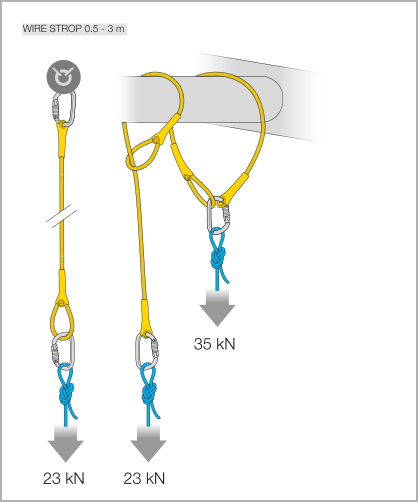
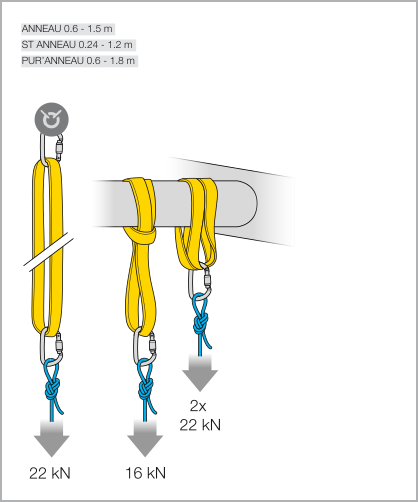
Temporary anchor
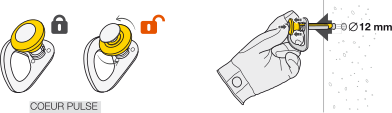
Load-sharing anchors with a sling
Effect of the angle on a load-sharing anchor
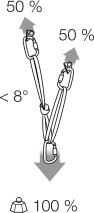
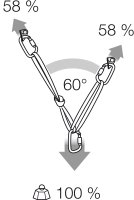
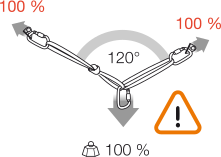
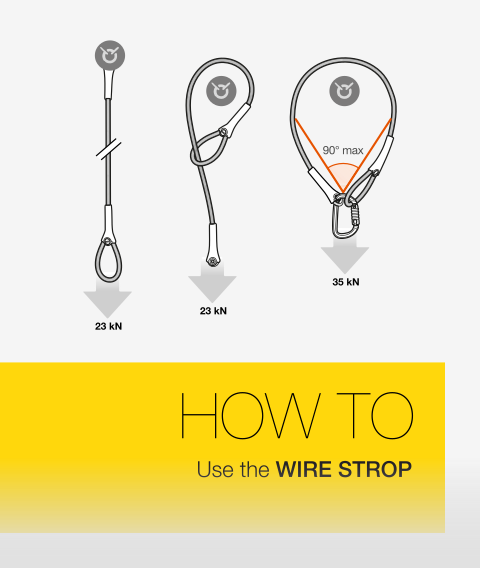
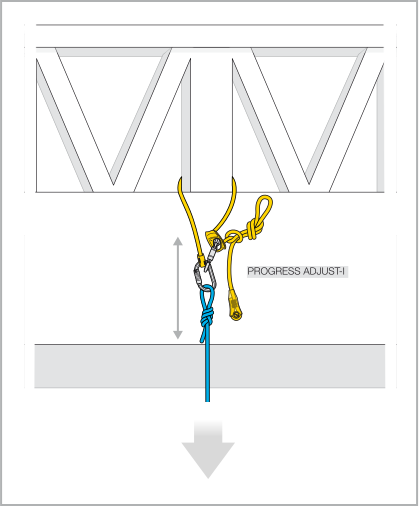
Temporary adjustable anchors
To wrap around an existing structure by precisely adjusting the length of the anchor.
Large structures
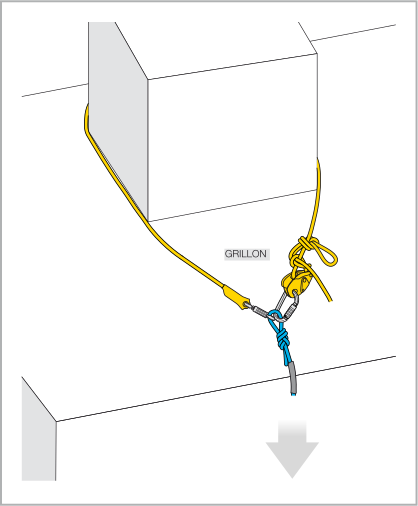
Structures requiring specific positioning
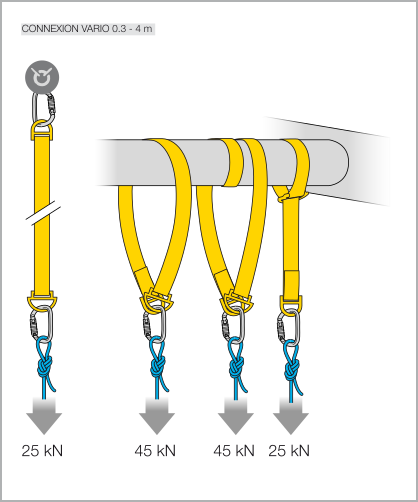
Temporary anchors with multiple configurations
To best adapt to a situation, whether by connecting directly to the anchor, or connecting to a structure by wrapping around it or using a choker hitch.